Stamford Park Homestead restaurant
Project Address:Australia
Customer Type:Contractor
Project Type:Catering
Major Suppliers:Restaurant Furniture
Case description
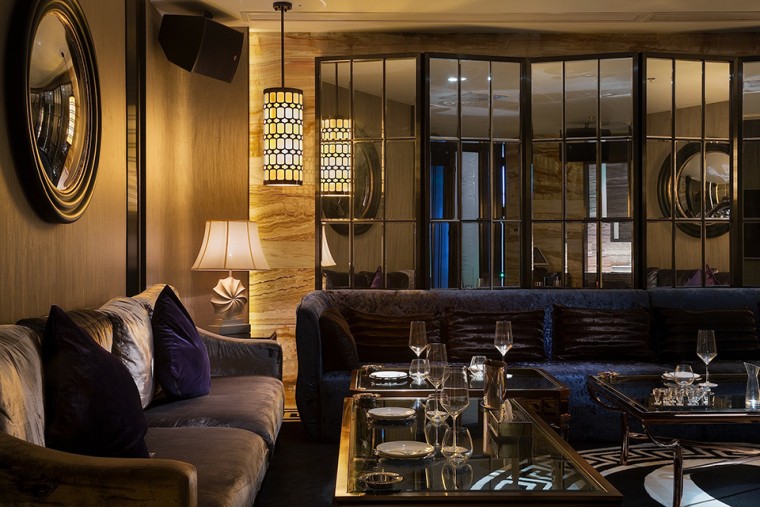
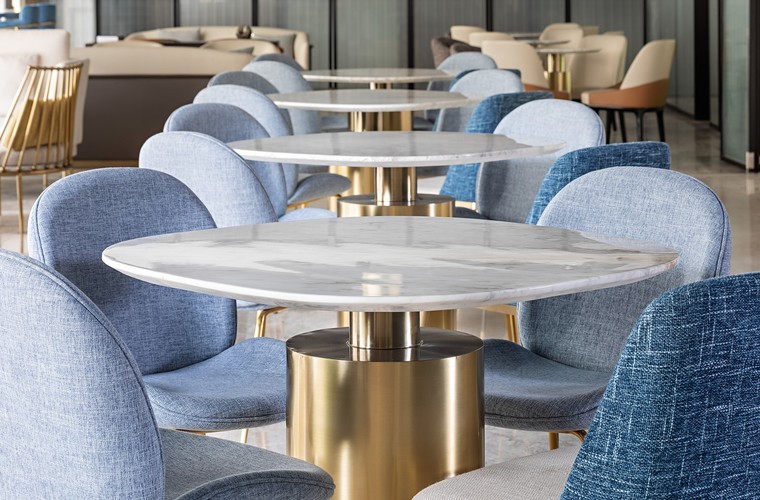
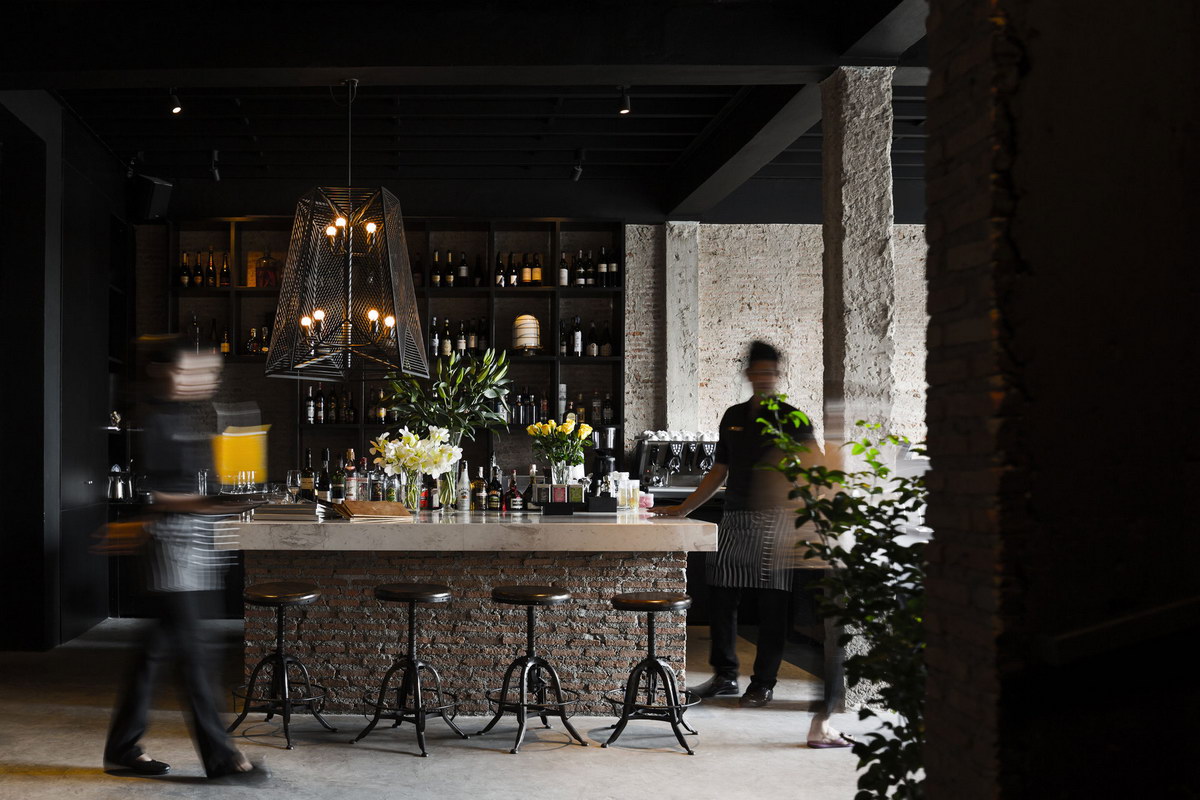
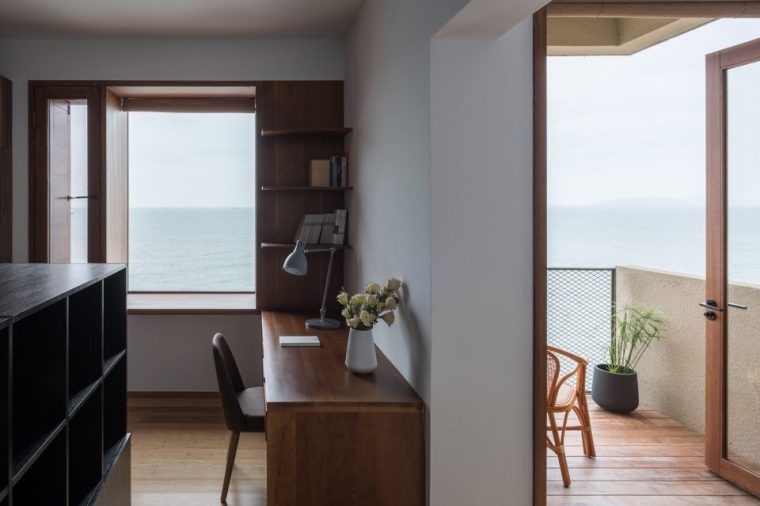
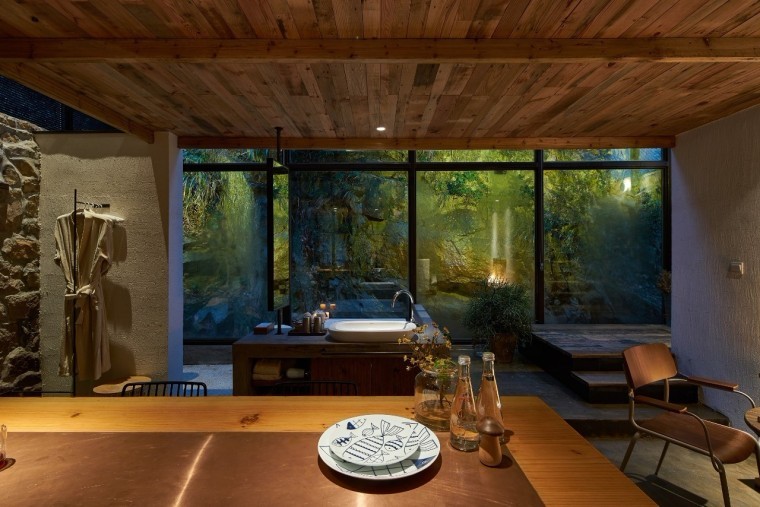
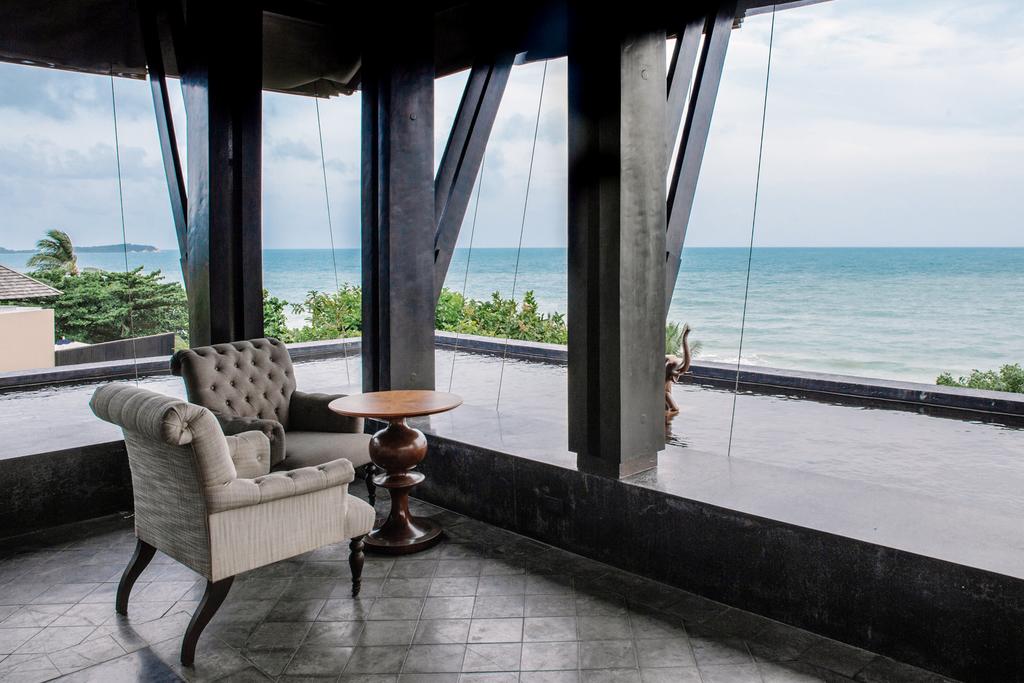
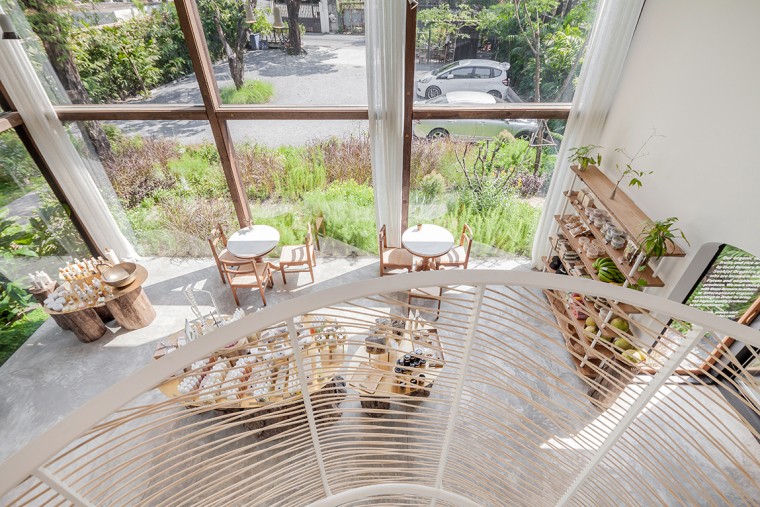
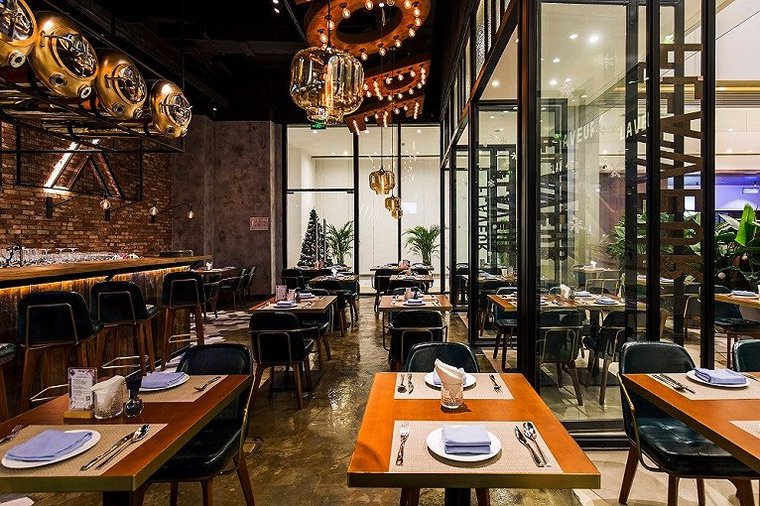
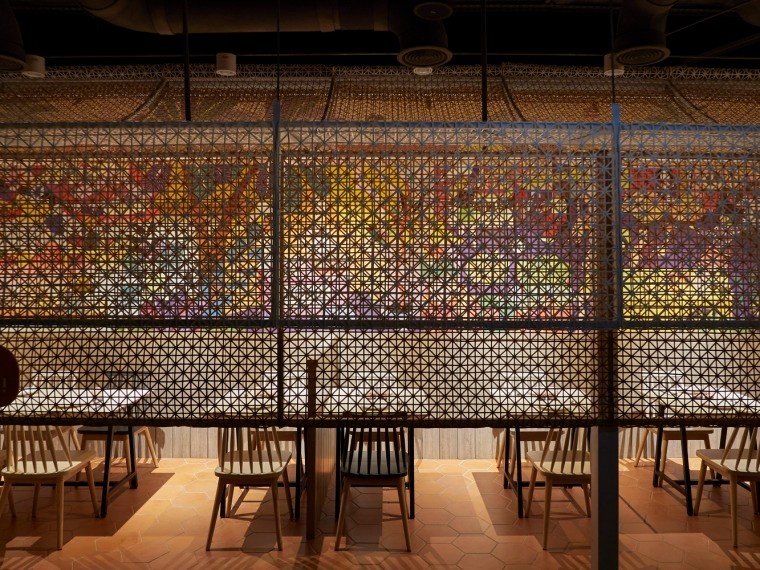
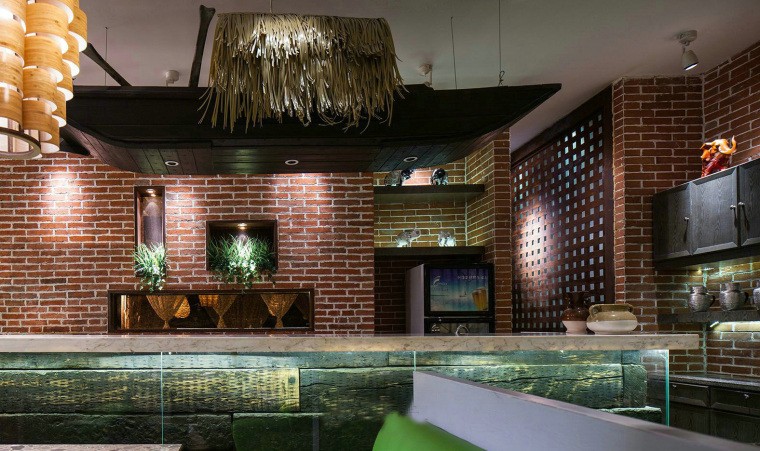
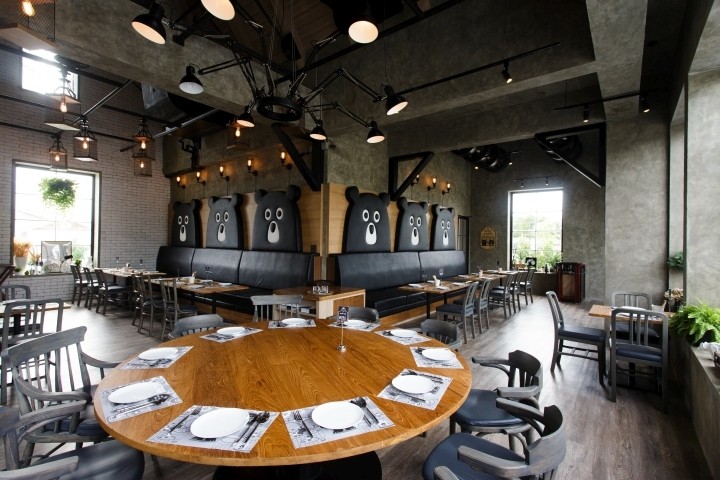
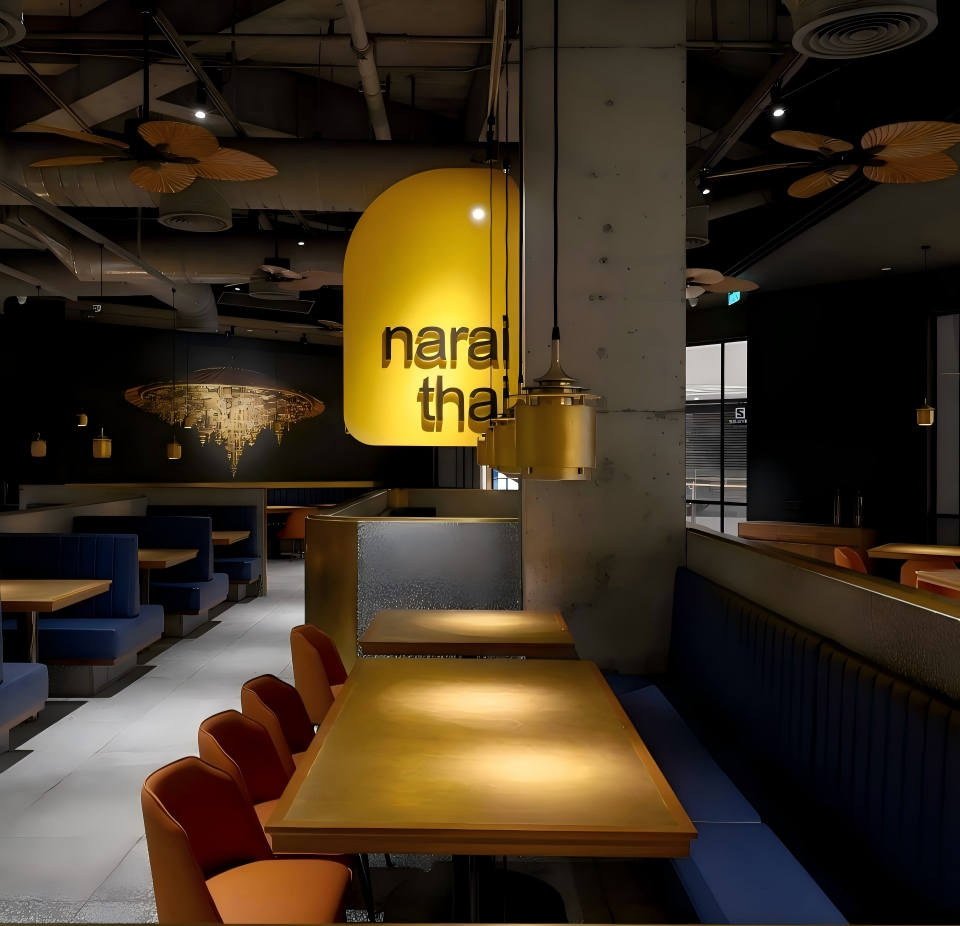
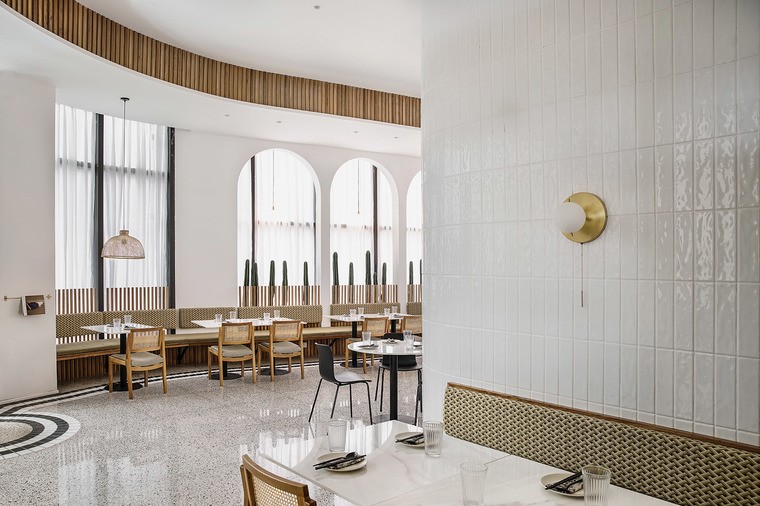
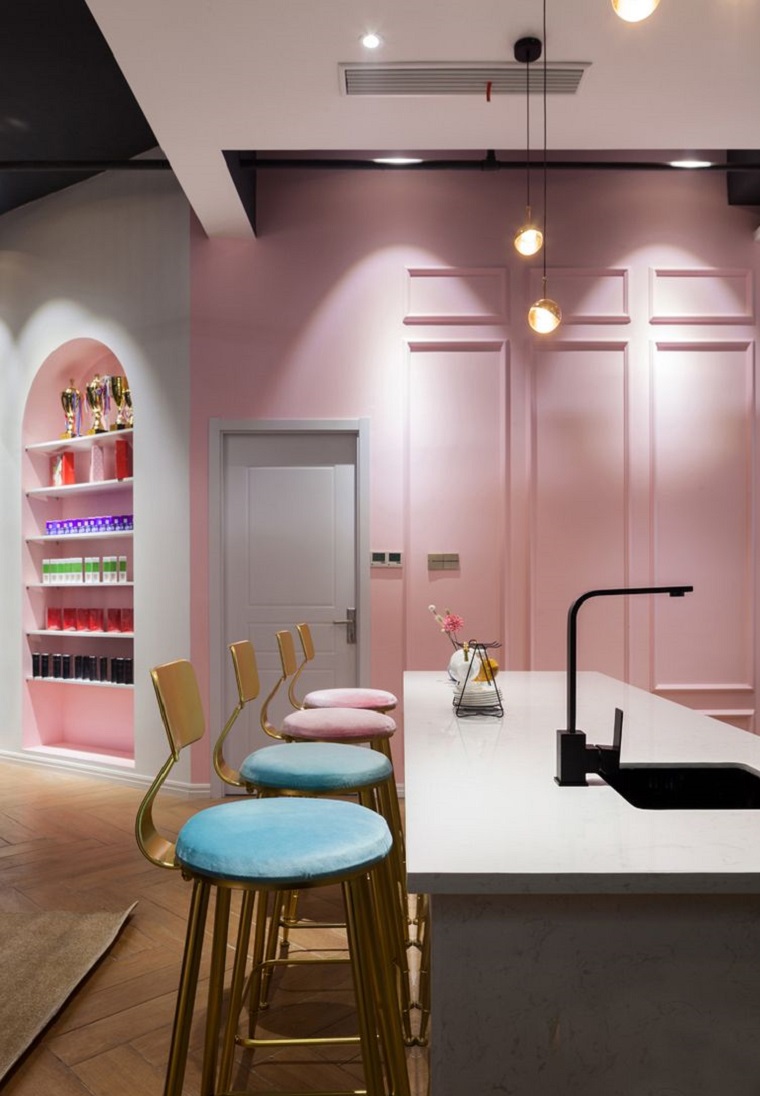
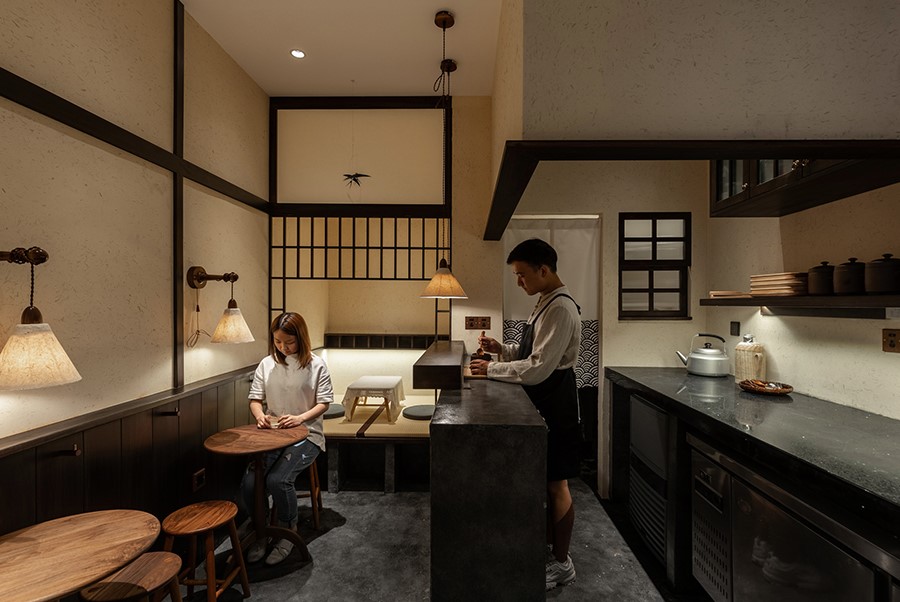
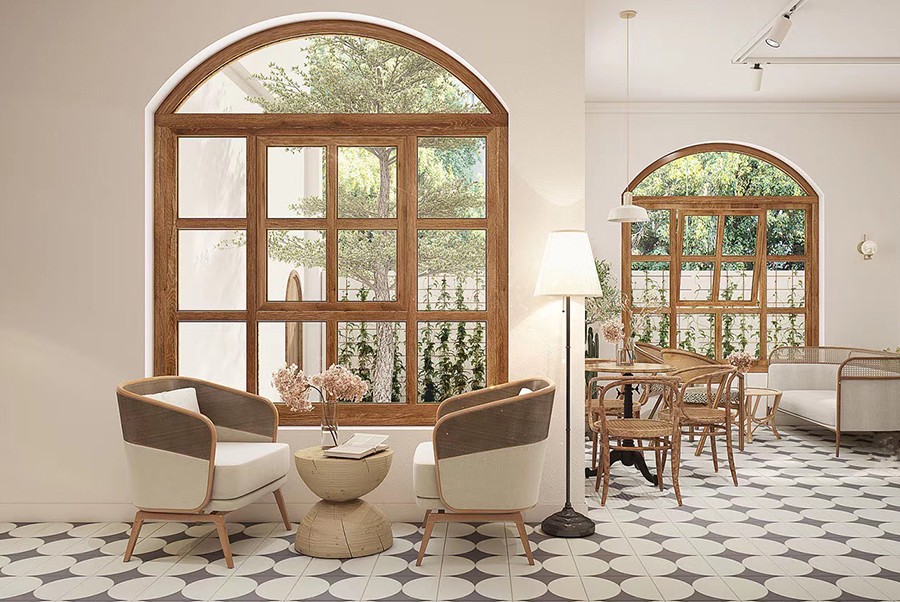
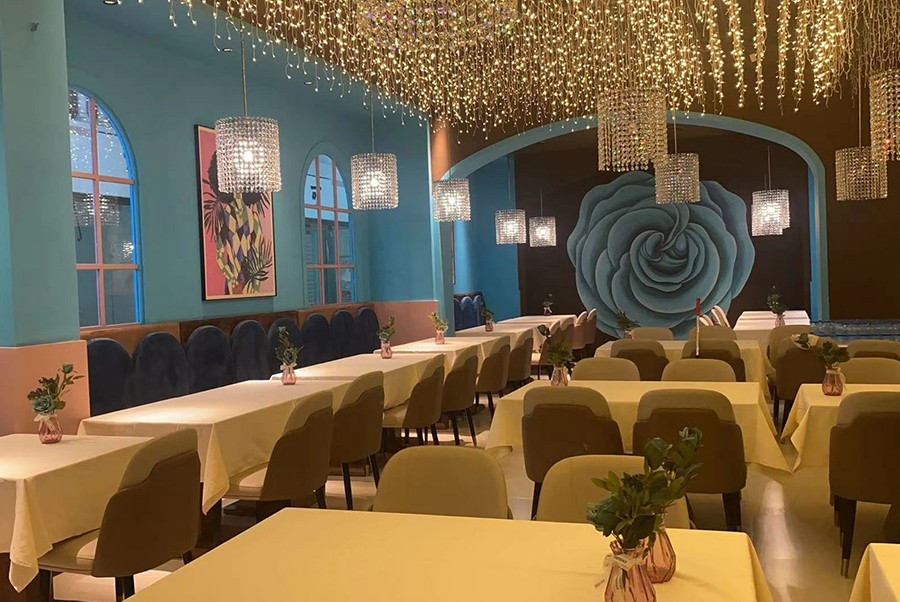
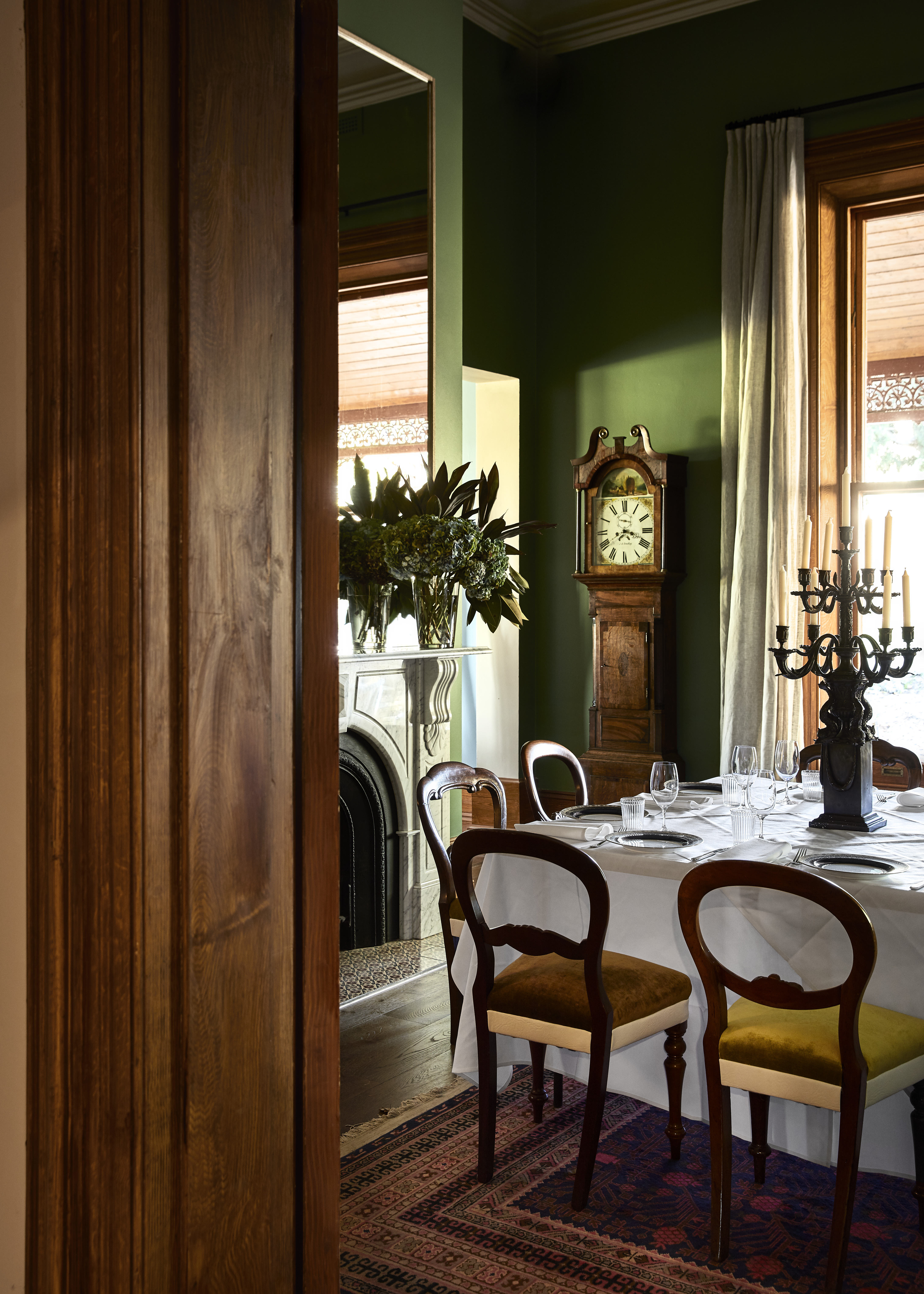
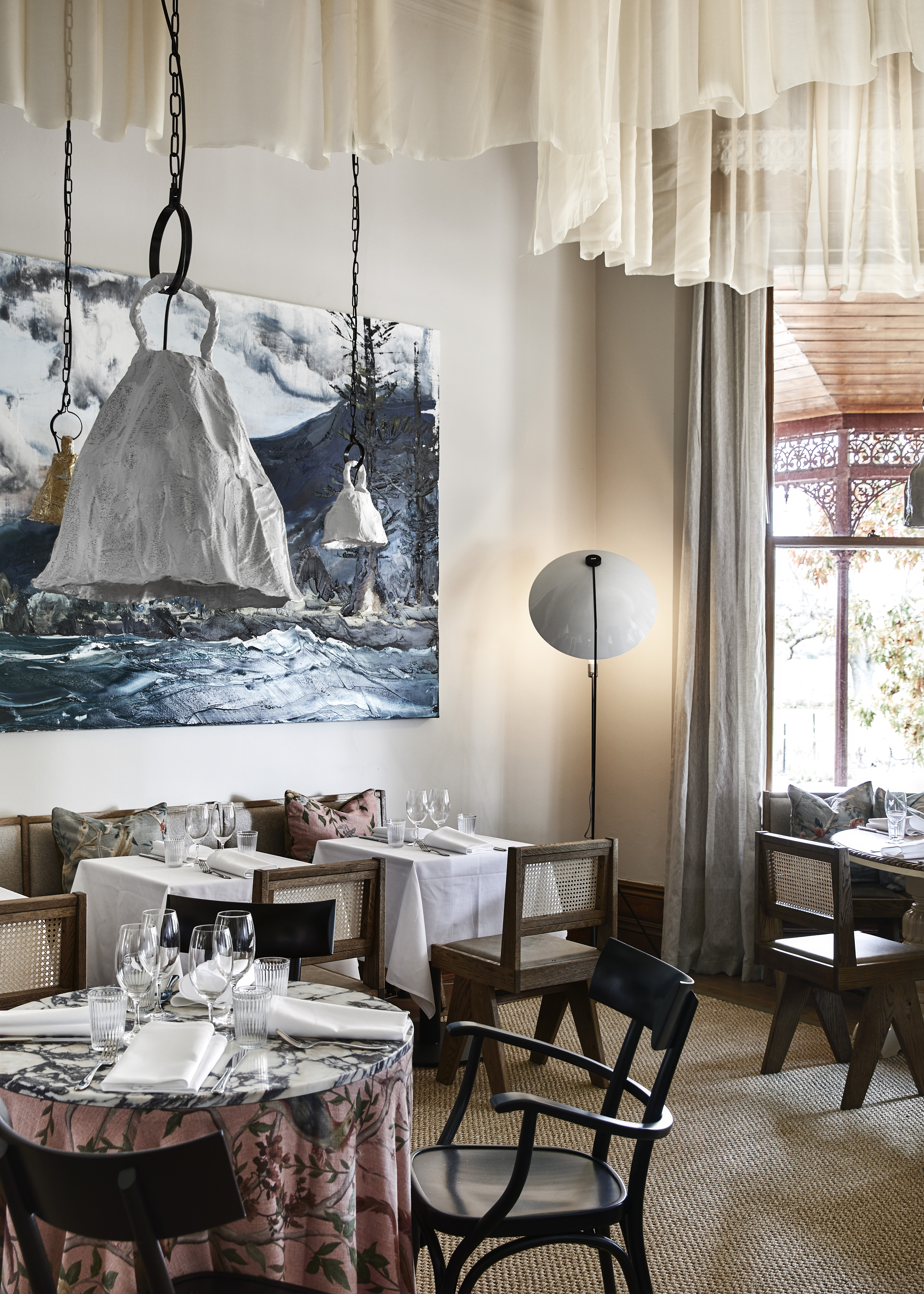
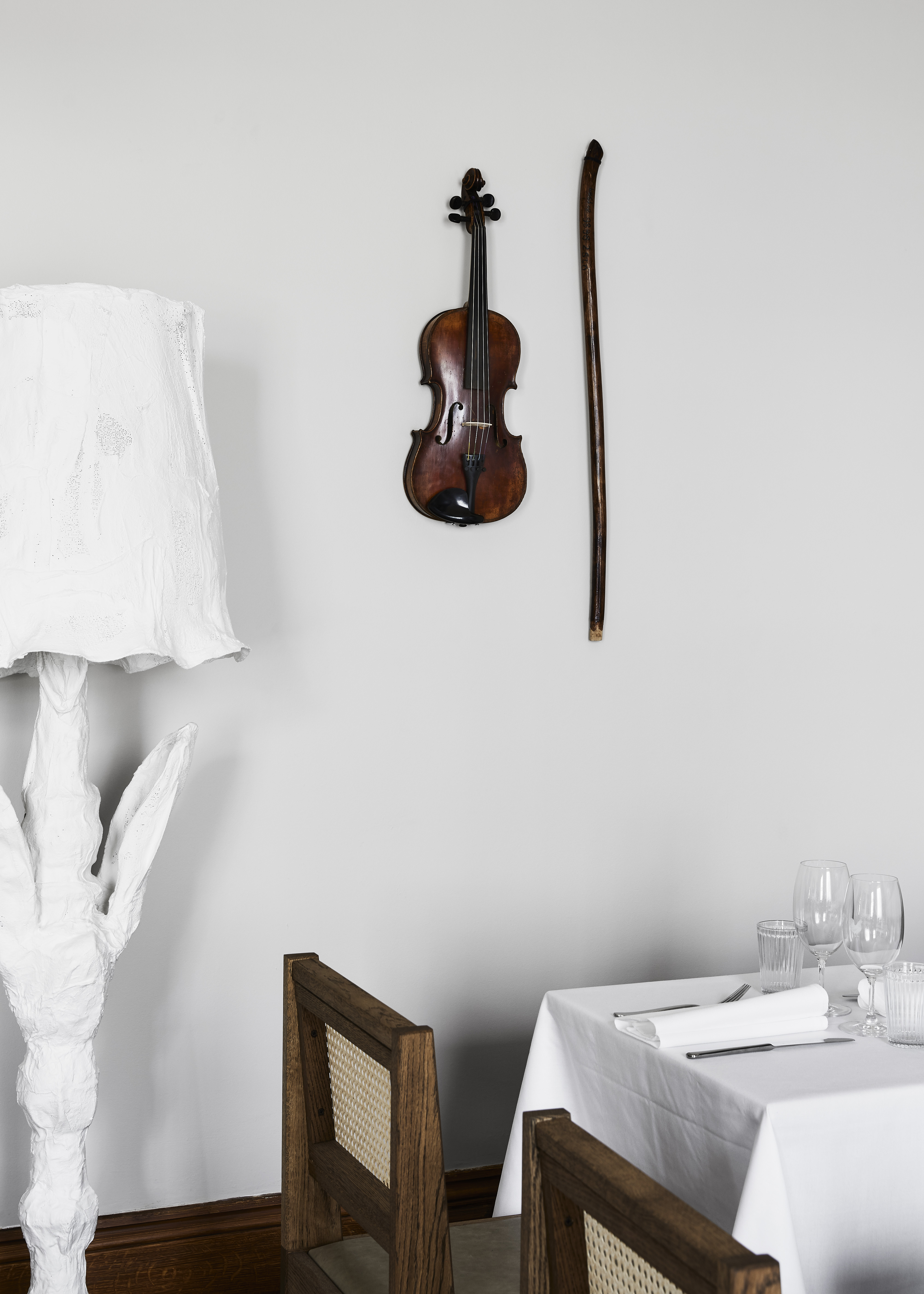
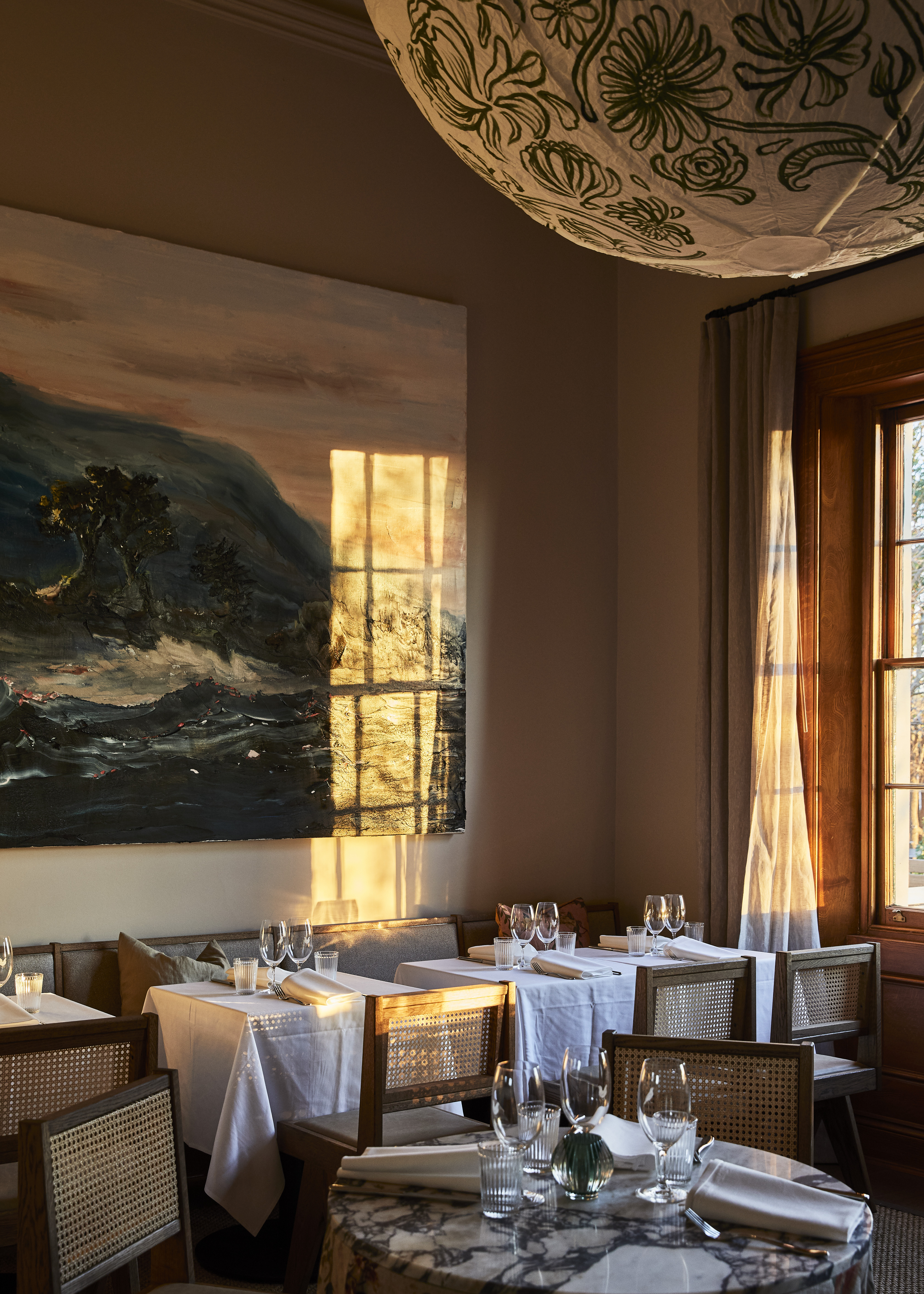
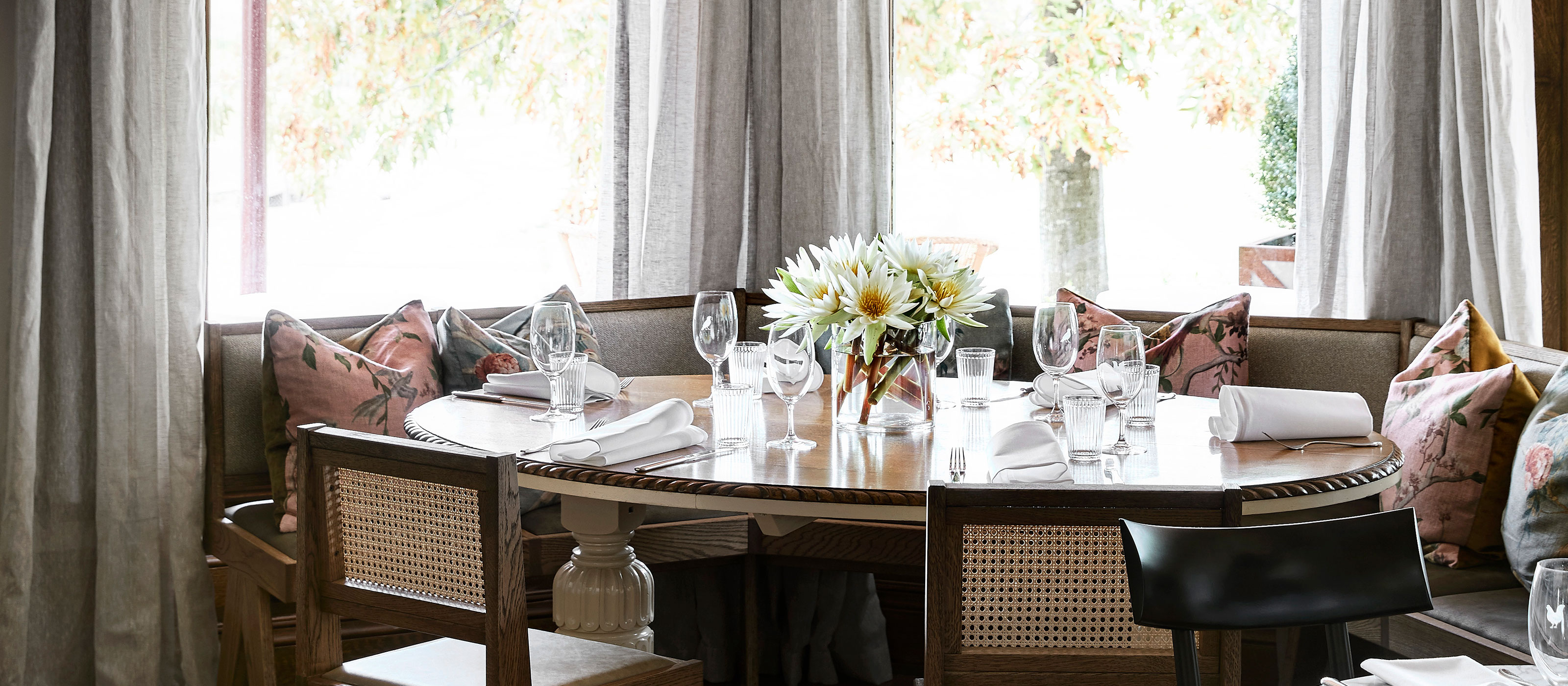
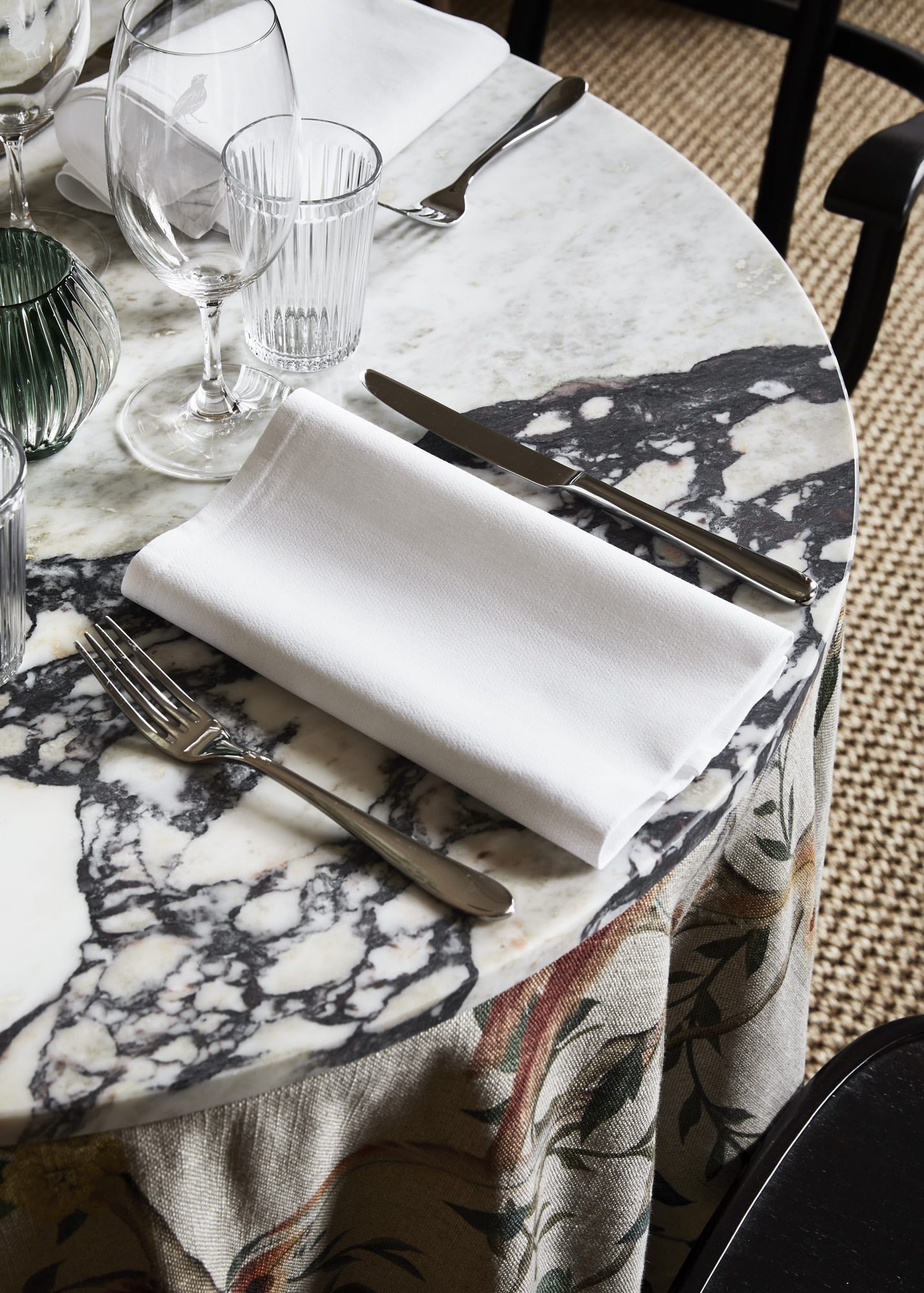
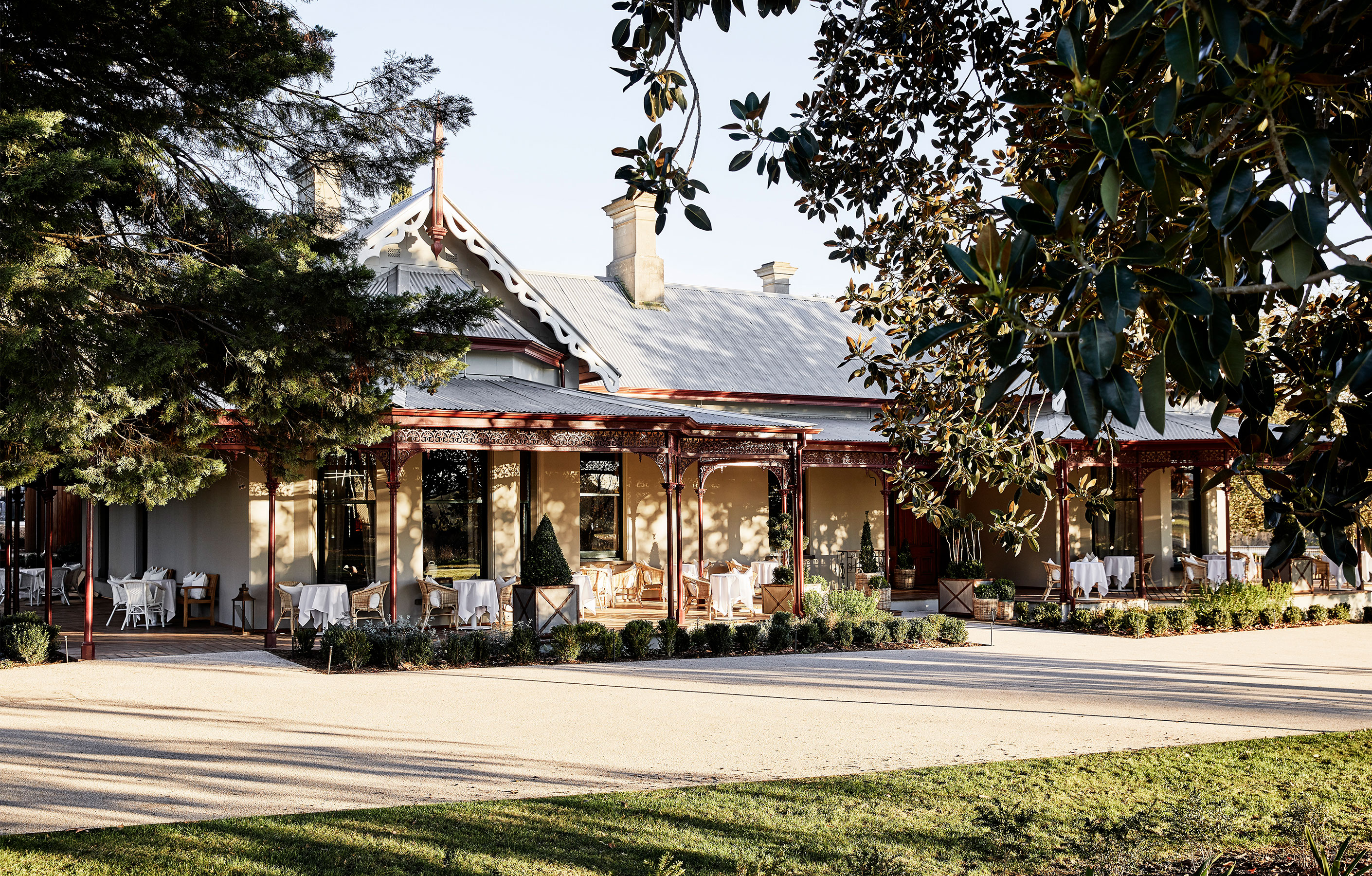
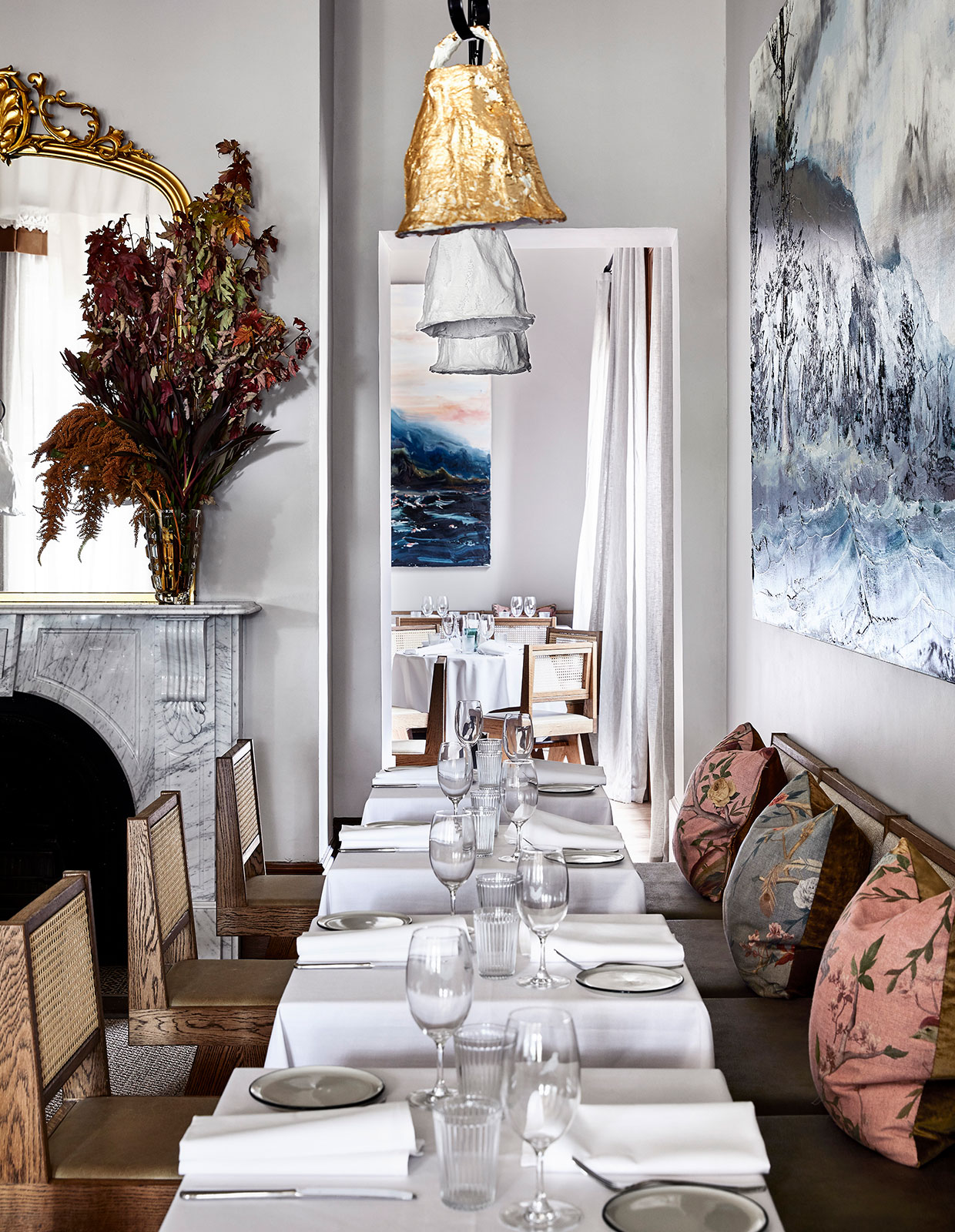
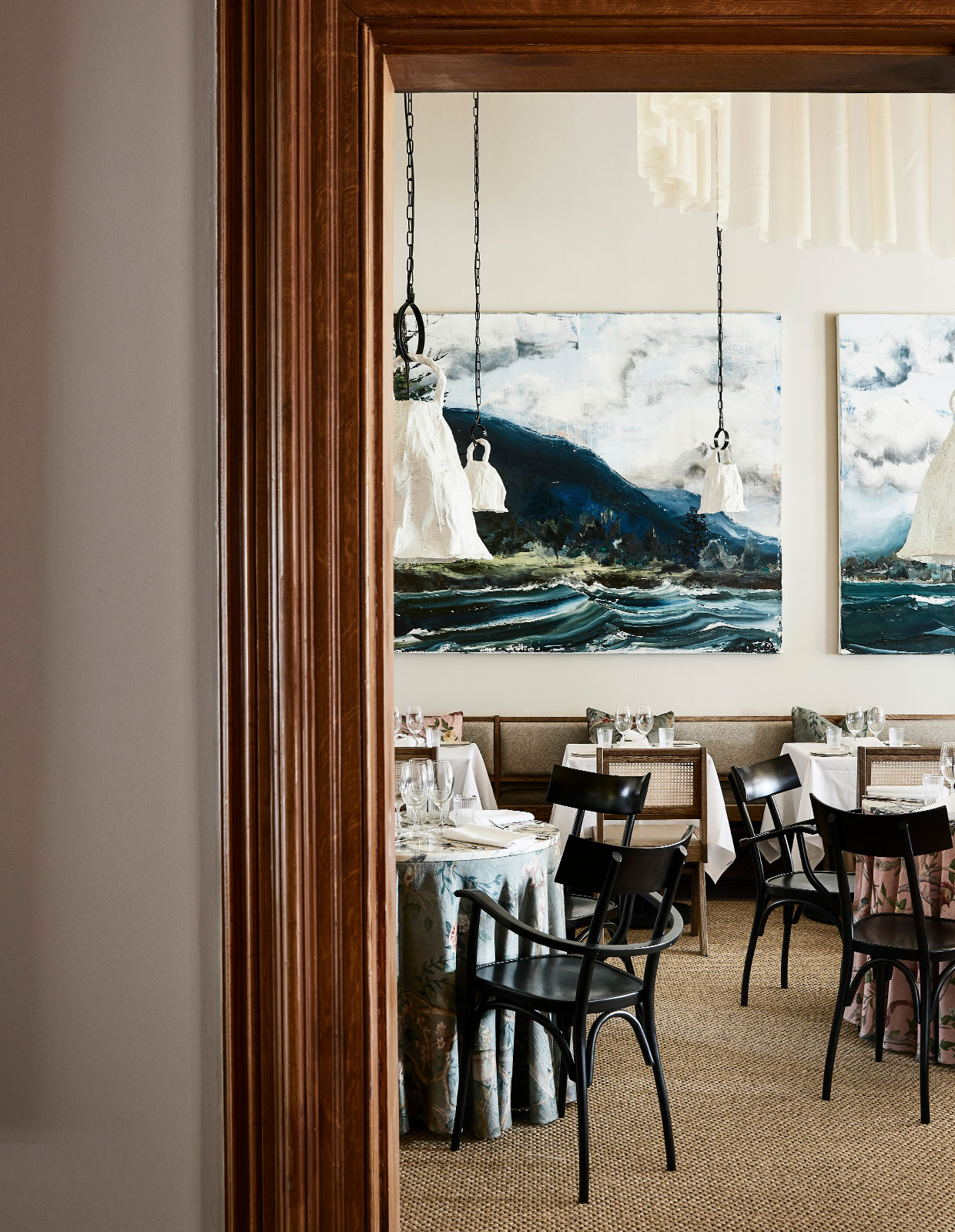
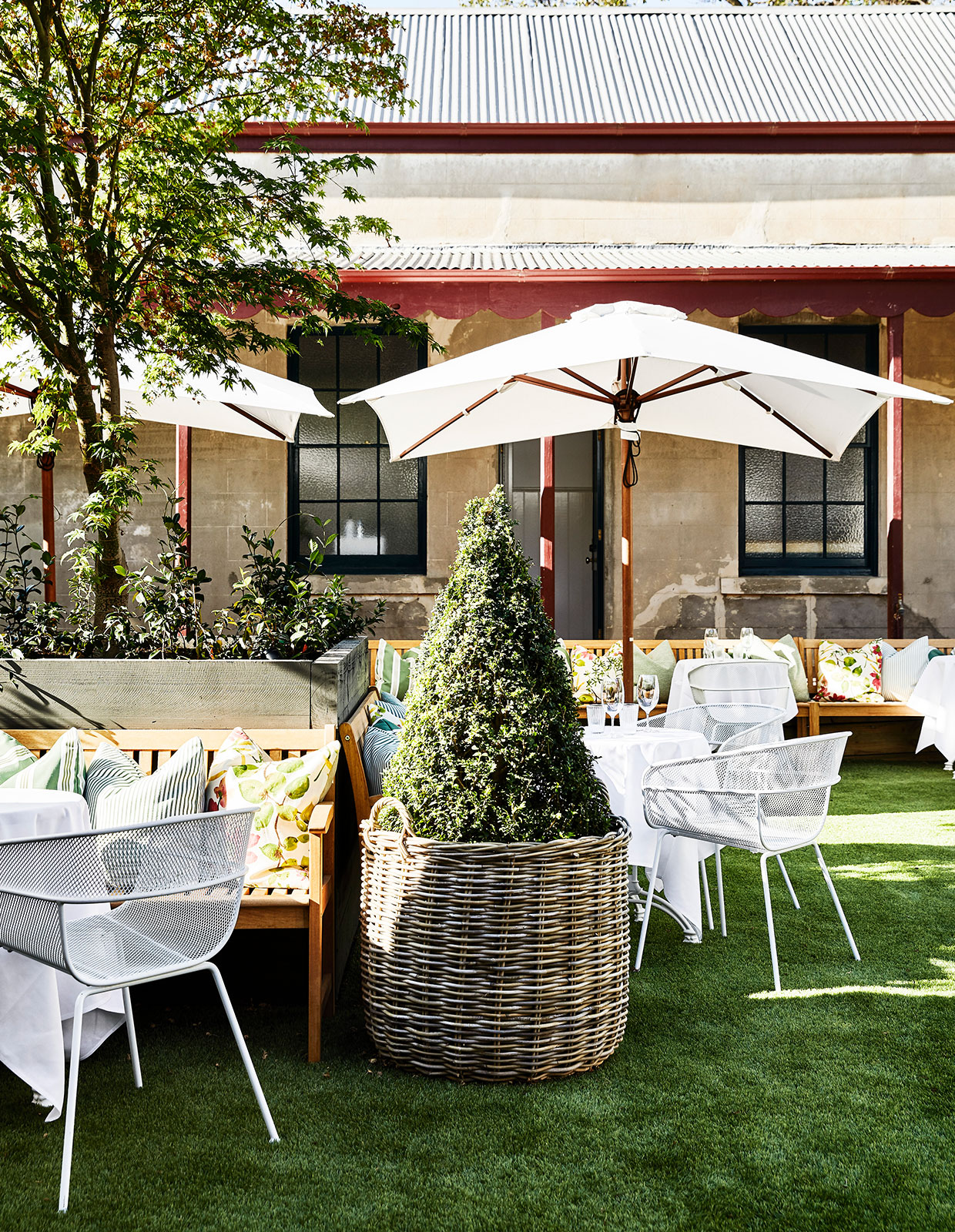
Our facility provided a comprehensive, bespoke furniture solution for Stamford Park Homestead, furnishing the historic estate’s main dining hall, sunroom, private dining suites, and outdoor landscaped terraces. Our key products included retro-styled upholstered chairs with fluid contours, handcrafted solid wood parquetry round tables, sideboards featuring architectural moldings, and custom marble-topped dining tables. By deeply integrating the classical heritage of this 19th-century estate with Brahman Perera’s signature aesthetic of soft, artistic elegance, we achieved a perfect balance between old-world sophistication and modern dining comfort within a design context imbued with profound historical significance.
The core challenges inherent in this project lay in navigating the strict structural preservation requirements for the historic building and resolving the potential visual discord between new and antique materials. The client’s primary concerns stemmed from the venue itself: a heritage-listed Victorian estate where any invasive structural modifications—such as drilling into walls or floors for fixtures—were strictly prohibited. Furthermore, the interior spaces were fragmented and asymmetrical; introducing standard-sized commercial furniture would have appeared jarring and obstructed the natural flow of movement. Additionally, the designer employed a bold interplay of light, ethereal modern textiles against the deep, rich tones of antique timber wainscoting; the owner was concerned that if the custom furniture lacked sufficient artistic nuance, the space would feel like a rigid showroom rather than a vibrant, breathable social environment.
To address these challenges, our facility implemented a modular furniture design strategy—calibrated to the building’s architectural components—alongside a flexible, non-invasive support and protection system. To resolve the issue of spatial asymmetry, we utilized 3D laser scanning technology to create “zero-deviation” scale models for every room, ensuring that large dining tables and curved banquettes could visually fill the space without making physical contact with the historic baseboards or walls. In terms of material execution, we developed a proprietary handcrafted antiquing and staining technique; this process allowed us to preserve the natural grain and texture of the timber while achieving a visual color match of over 95% with the estate’s original, 140-year-old woodwork. Regarding the upholstered components, we employed an internal, concealed micro-spring support system. This design achieves exceptional supportive strength—suitable for prolonged dining—within an ultra-thin backrest profile. Furthermore, the furniture underwent rigorous wood stability testing simulating the high-humidity environment typical of historic structures, thereby preventing deformation or mold growth at the base caused by moisture rising from the manor’s flooring.
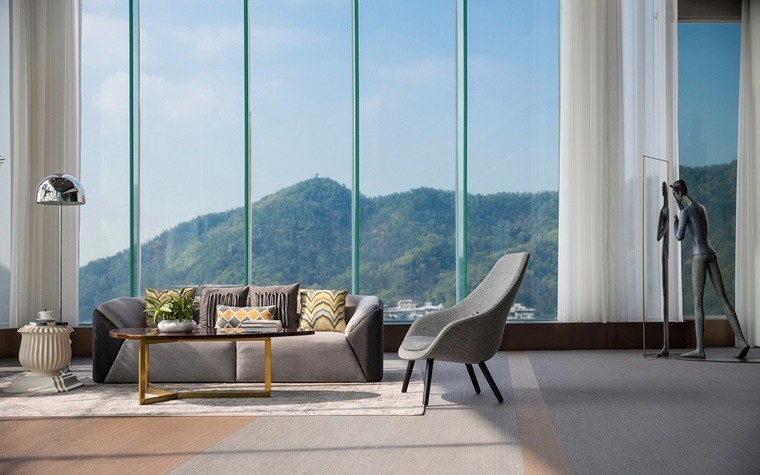
The project’s outcome demonstrates that the custom furniture successfully serves as an aesthetic bridge connecting historical heritage with contemporary living; its fluid, rounded silhouettes perfectly soften the inherent gravitas of the century-old residence. As the client noted, the manufacturer—through a precisely calibrated approach to historical scale and material warmth—delivered a furniture collection that appears to have “grown organically” from within the manor itself. This achievement not only resolved the complex installation challenges inherent to furnishing a protected heritage building but also, through exquisite handcrafted details, elevated the artistic narrative of the entire estate. The key spaces encompassed by this project include the core Heritage Dining Room, the airy Glass Sunroom, the intimate Private Art Salon, and the landscaped relaxation area within the rear garden.