Shenzhen College of International Education
Project Address:China
Customer Type:Contractor
Project Type:School
Major Suppliers:Office Furniture
Case Description
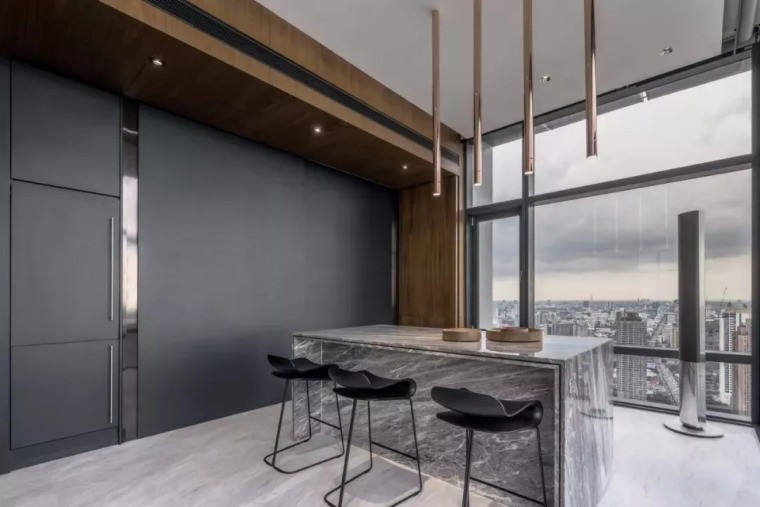
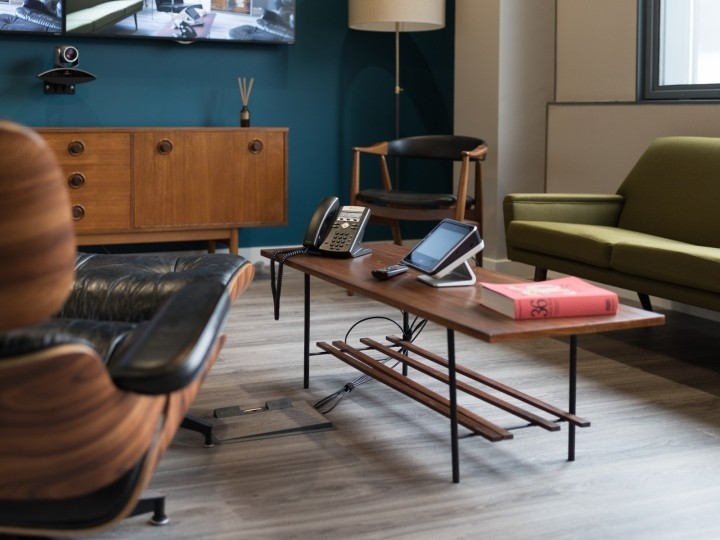
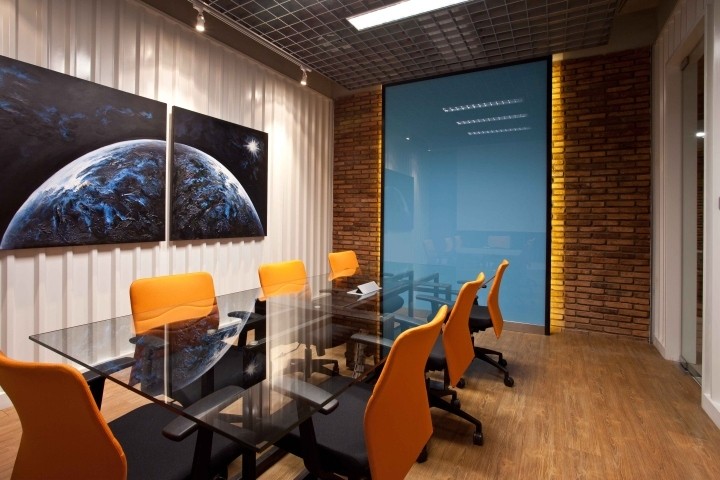
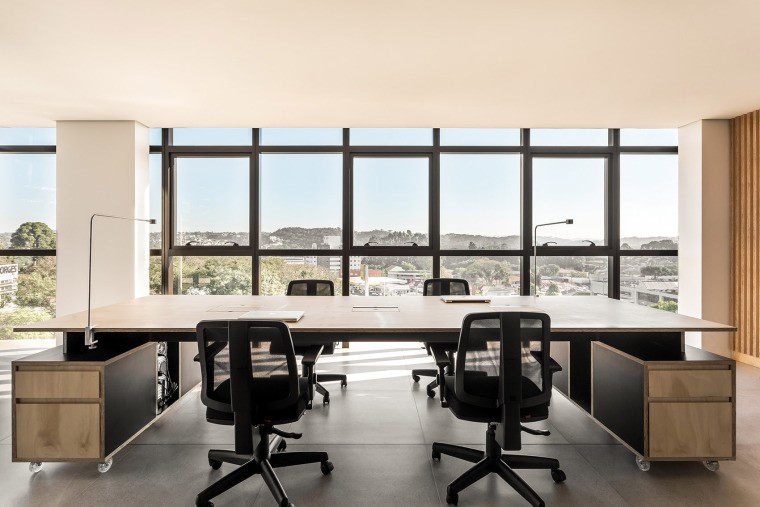
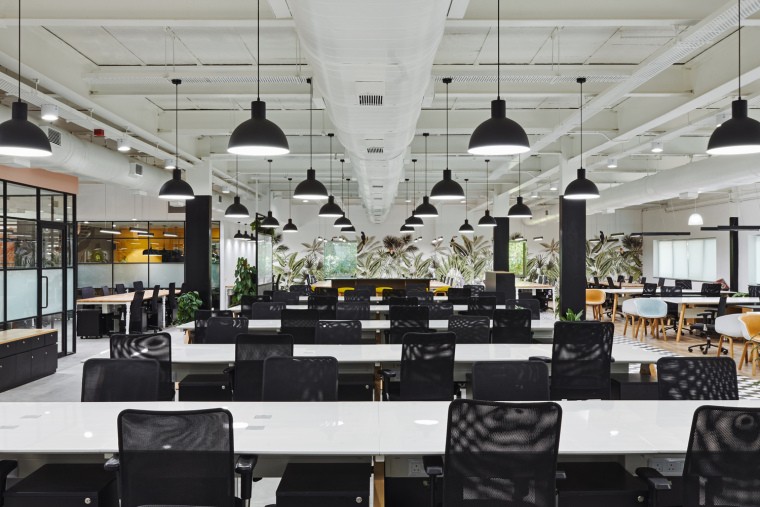
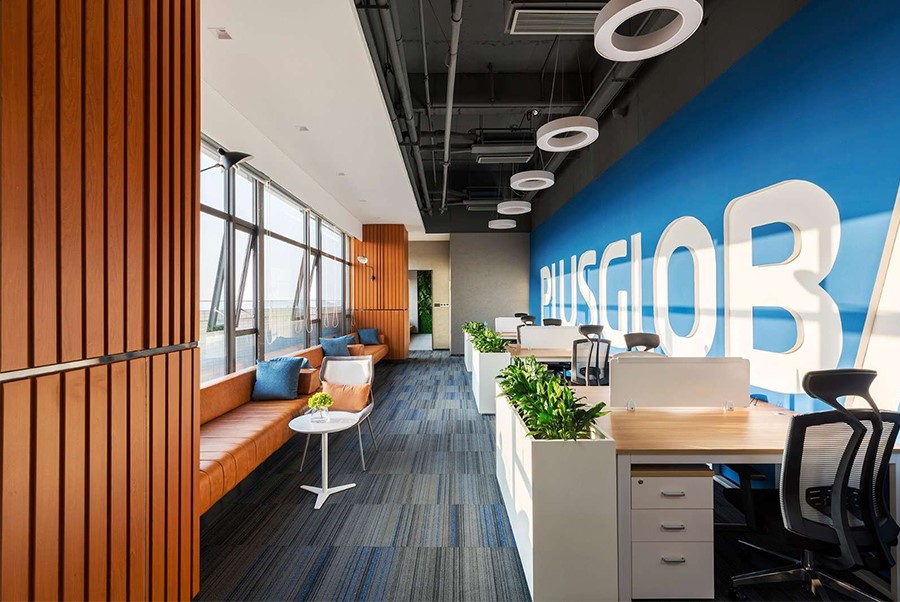
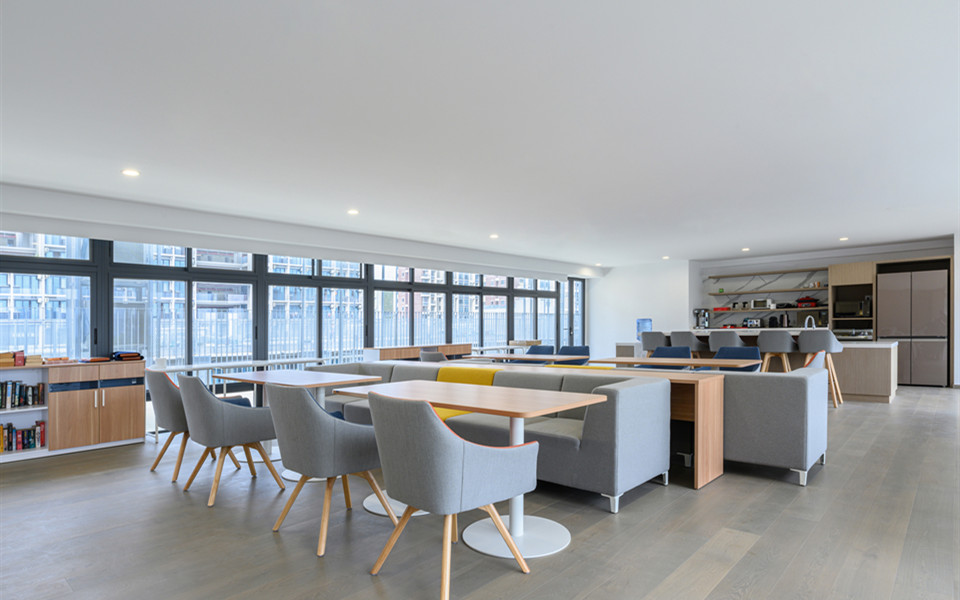
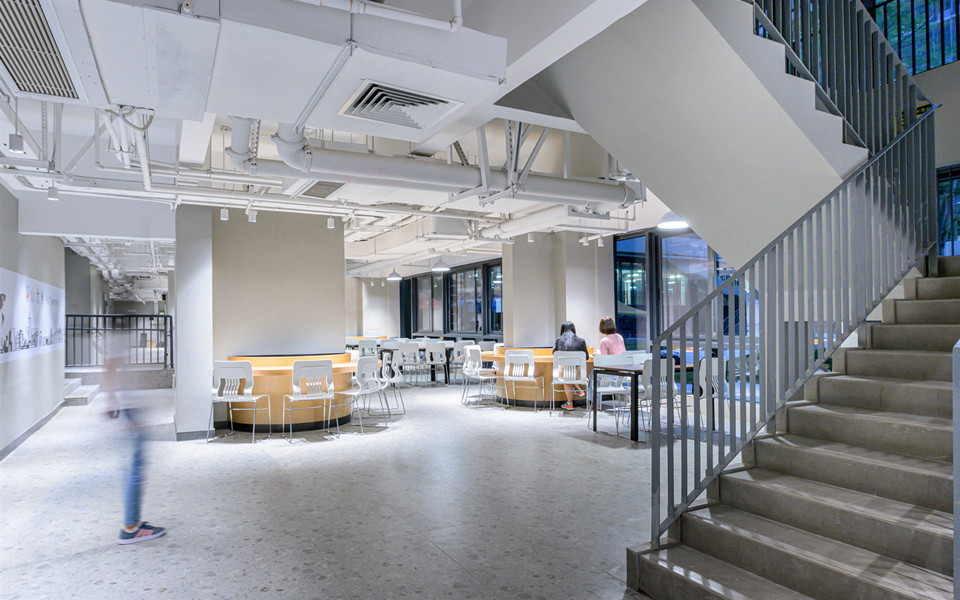
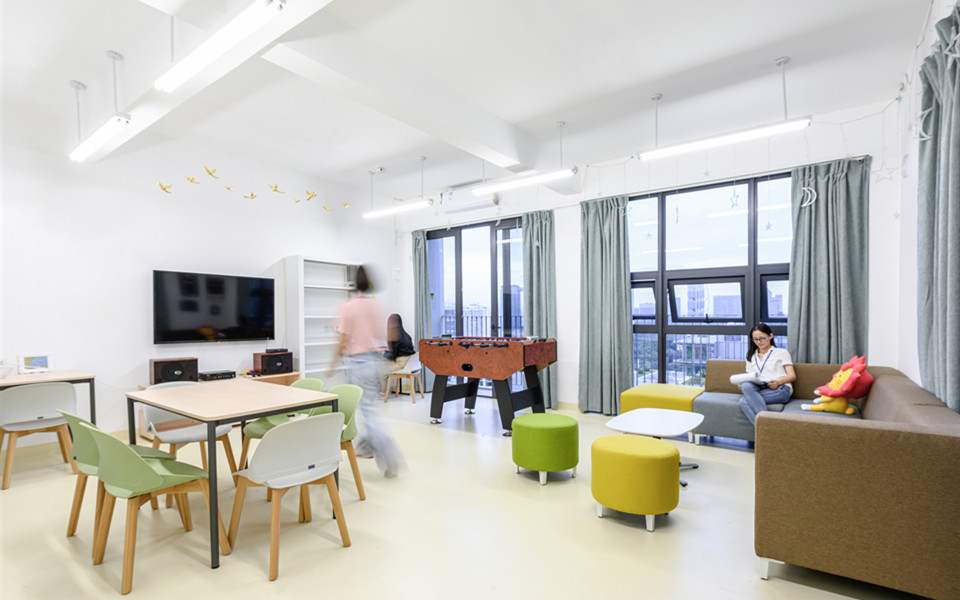
Our factory supplied all the office furniture for the Shenzhen College of International Education (SCIE)—specifically for its North and South academic buildings, as well as the connecting skybridge areas. This comprehensive supply covered the faculty offices, subject research group workspaces, administrative offices, student counseling zones, and the ancillary lounge and workspace areas situated within the skybridges.
As Shenzhen’s first international institution authorized by Cambridge International Examinations, SCIE features a diverse curriculum and a unique architectural layout characterized by distinct North and South academic buildings interconnected by skybridges. The core challenge regarding office furniture for such an institution lies in balancing the aesthetic ethos of international education with the diverse functional demands of teaching and administration. The furniture had to be tailored to the working habits of expatriate faculty members and adaptable to various scenarios—including English-medium instruction, subject-specific research, and student counseling. Furthermore, it needed to harmonize with the staggered layout of the North and South buildings and the spatial characteristics of the skybridges, ensuring that furniture placement did not impede circulation or disrupt the seamless flow between interconnected spaces. Simultaneously, the furniture had to prioritize environmental safety and embody a philosophy of simplicity and practicality, thereby aligning with the campus’s high-density, multi-level spatial design concept. Traditional office furniture styles, with their inherent lack of variety, are ill-equipped to accommodate the multifaceted character of an international institution; moreover, their inadequate spatial compatibility makes it difficult to satisfy the distinct storage and collaborative requirements of various academic departments. Similarly, standard custom-made furniture often fails to reconcile the specific usage habits of expatriate faculty with the overall spatial integrity of the campus, thereby falling short of supporting the school’s educational philosophy—one that emphasizes inspiring proactive learning and fostering the holistic development of students.
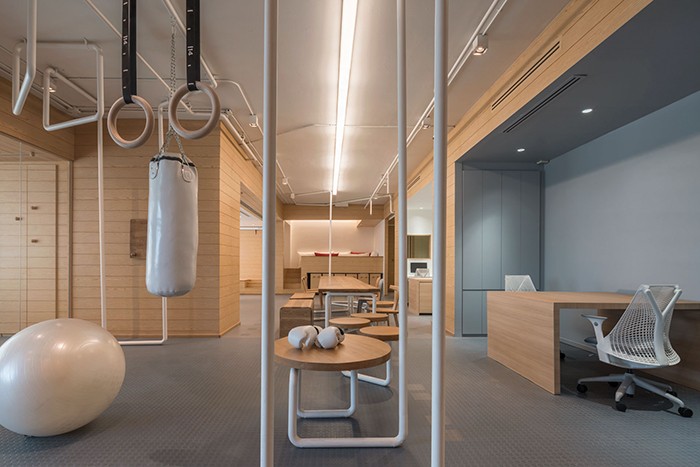
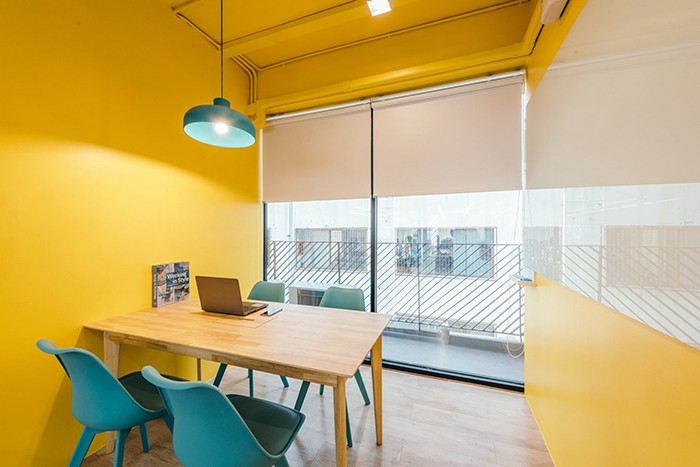
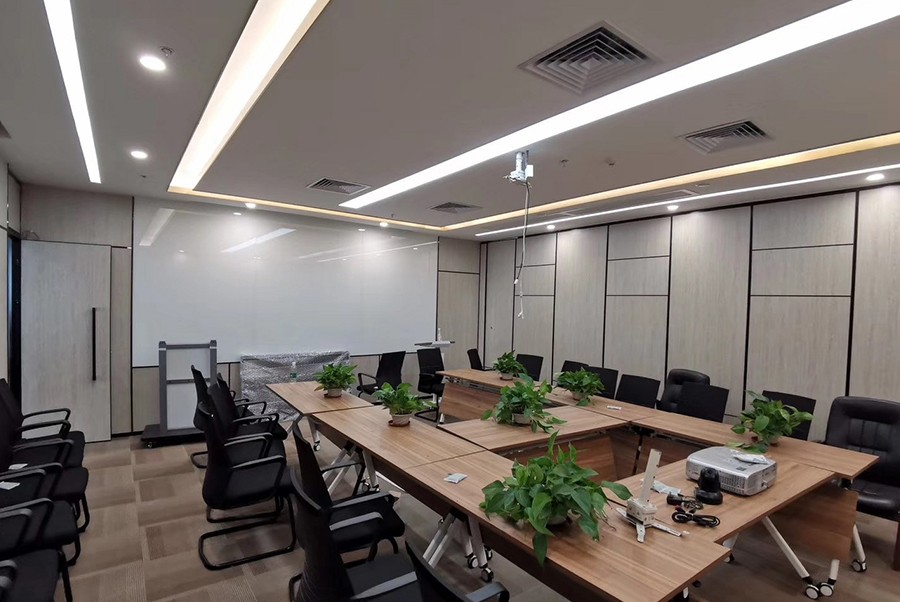
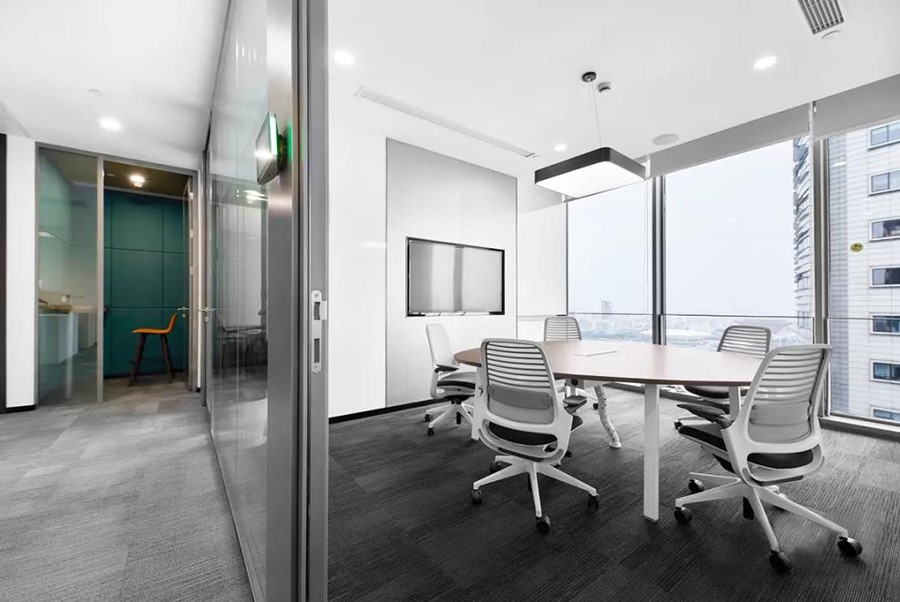
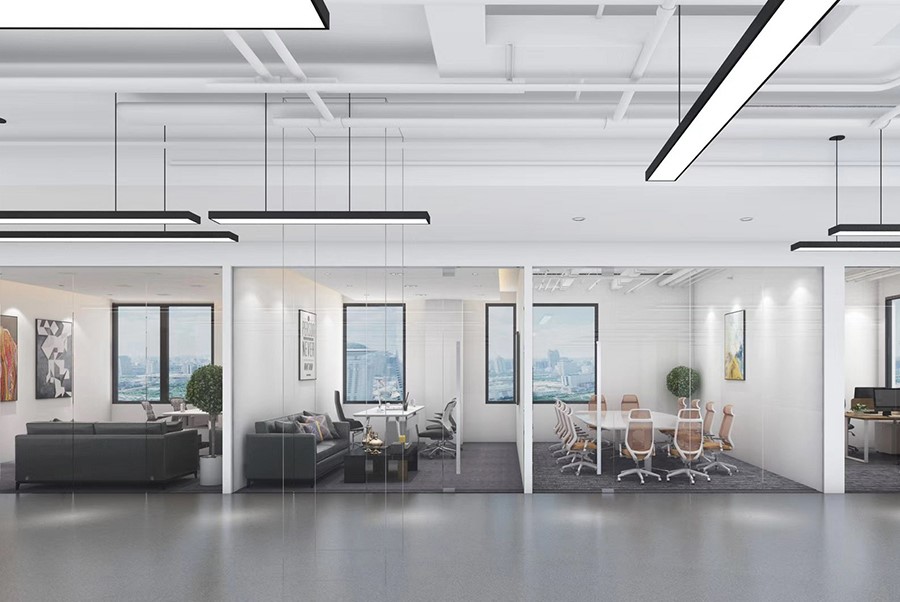
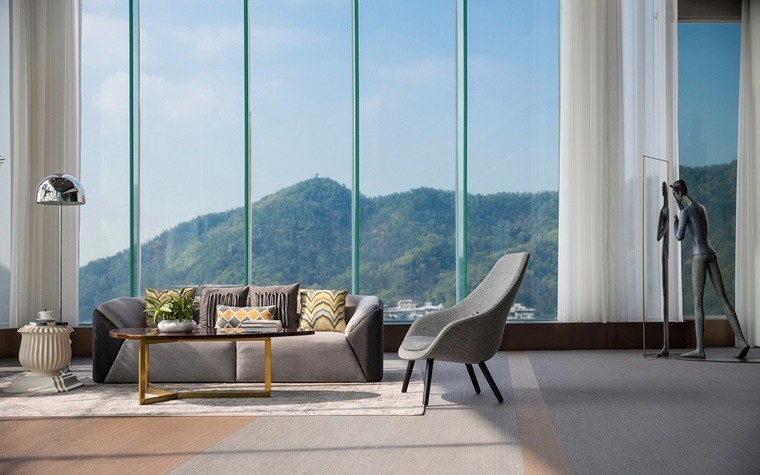
Leveraging our manufacturing facility’s robust customization capabilities, we deeply integrated the school’s international positioning with the specific spatial layout of its academic buildings. We selected eco-friendly, durable panel materials that meet rigorous international environmental standards; consequently, all furniture underwent—and passed—tests for environmental safety, abrasion resistance, scratch resistance, and ergonomics, ensuring it is fully adapted to the high-frequency usage demands of a bustling campus environment. To accommodate the varying dimensions of the North and South academic buildings, we customized office furniture in differentiated sizes. For the aerial walkways connecting the buildings, we deployed lightweight, minimalist-style casual office furniture that facilitates unimpeded pedestrian flow while catering to the impromptu interaction needs of both faculty and students. The subject research and teaching offices were outfitted with customized storage cabinets featuring tiered and categorized shelving systems, specifically designed to meet the diverse research and teaching requirements of different academic disciplines. Faculty offices were furnished with ergonomic desks and chairs, carefully selected to accommodate the specific working habits of international faculty members. The administrative offices were furnished with a suite of office furniture characterized by a minimalist yet grand aesthetic, exuding a distinct international flair. Furthermore, we optimized the customization workflow by employing 3D spatial visualization technology to precisely map out furniture placement—particularly at the junctions of the aerial walkways—thereby preventing spatial wastage and eliminating potential obstructions to circulation. By providing a comprehensive, one-stop service encompassing design, manufacturing, and installation, we ensured that the furniture solutions aligned perfectly with the campus’s overall architectural design and its specific teaching and administrative requirements.
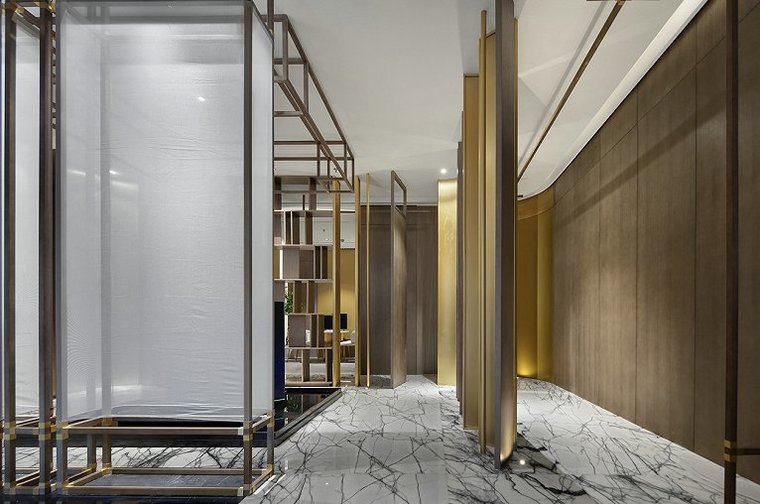
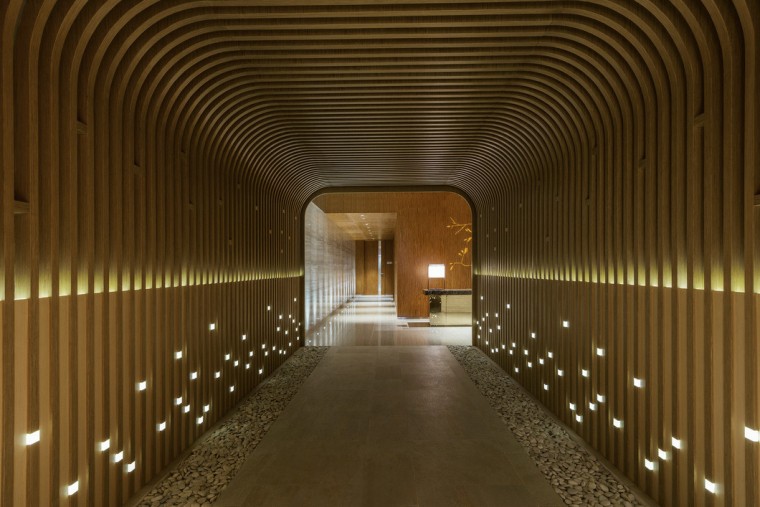
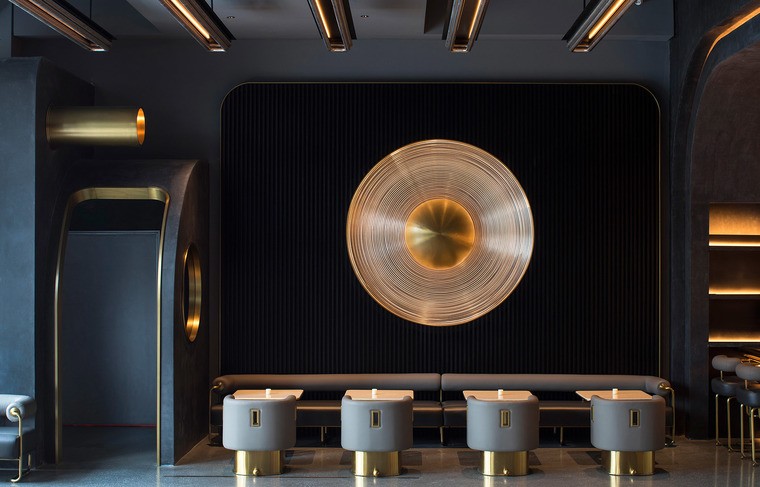
Upon the project’s completion, the office furniture seamlessly integrated with the spatial layouts of the North and South academic buildings and the connecting aerial walkways. The resulting aesthetic is minimalist yet grand, imbued with a distinct international character. This solution successfully addresses a diverse range of needs—including faculty office work, academic research, and student tutoring—while simultaneously aligning with the campus’s architectural philosophy of high-density, multi-dimensional spatial utilization. Environmentally safe, practical, and convenient, the furniture effectively enhances faculty work efficiency and collaborative research capabilities, creating a comfortable and highly productive environment for both teaching and interaction. Ultimately, this initiative supports the school in realizing its international education philosophy and inspiring students’ passion for active learning. The project has garnered high acclaim from the school’s administrative team as well as its domestic and international faculty members, who praised the furniture design for its precise alignment with campus spatial constraints and pedagogical requirements, noting that its meticulous details truly exemplify international-caliber quality. Consequently, this project stands as a premier case study in the field of customized office furniture solutions for international educational institutions.