Inteltion Office Interior Design — Thailand
Project Address:Thailand
Customer Type:Contractor
Project Type:Office
Major Suppliers:Office Furniture
Case Description
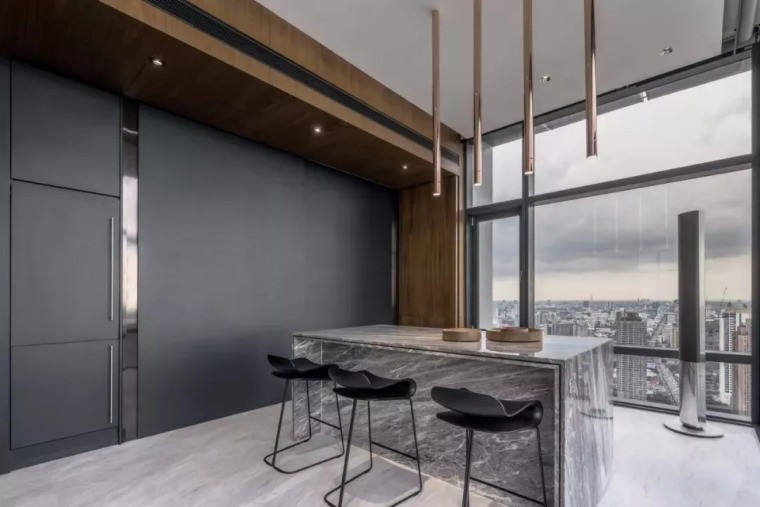
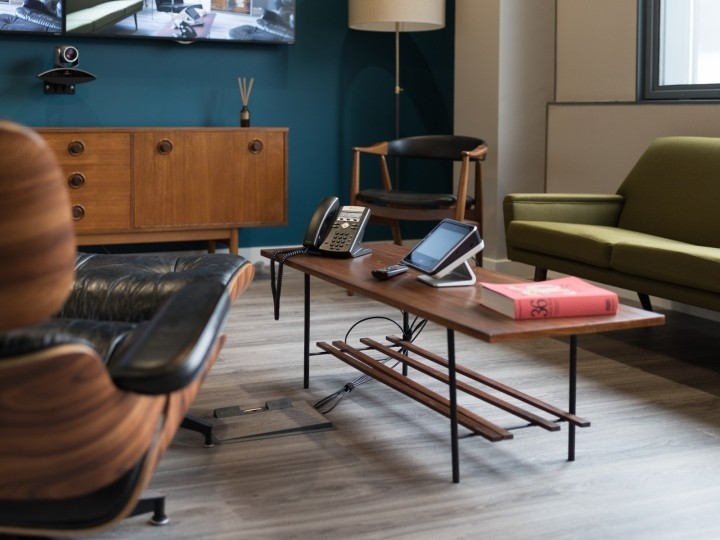
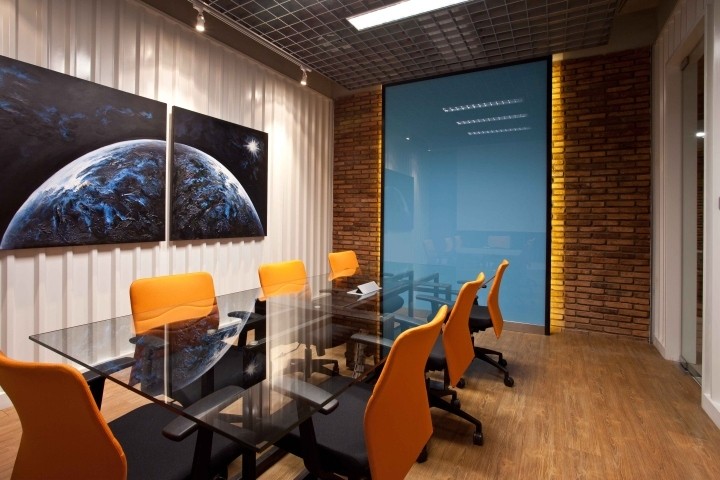
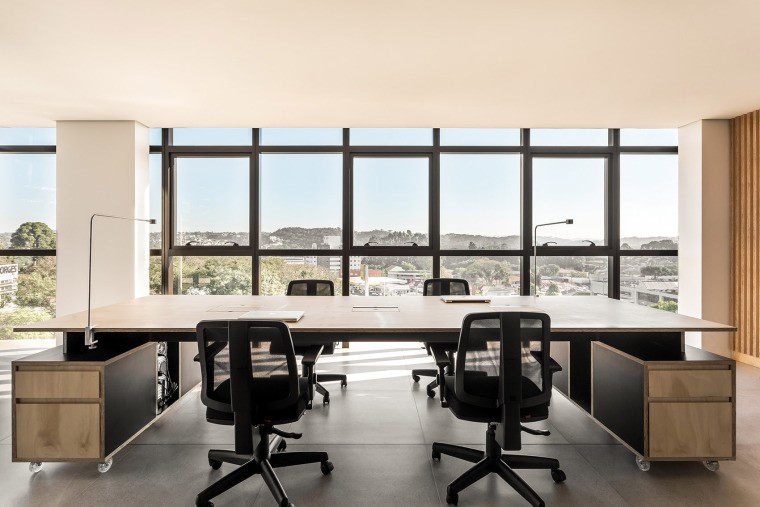
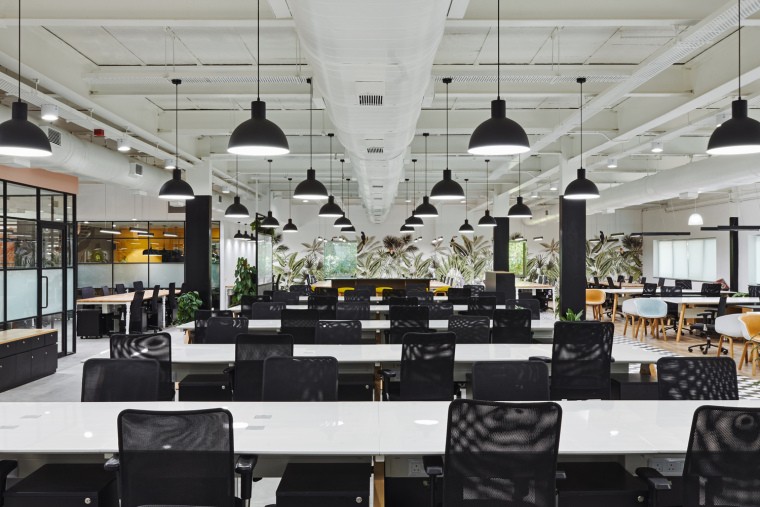
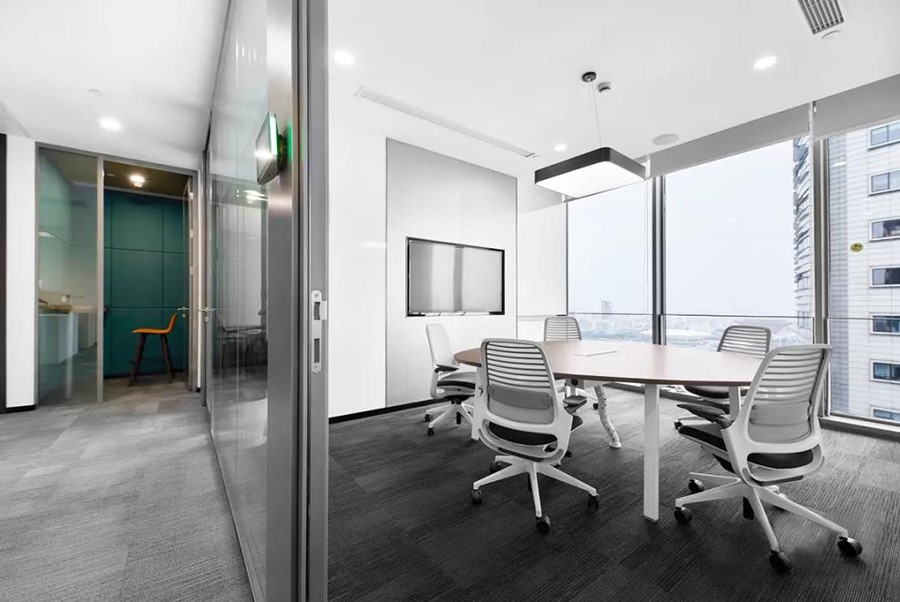
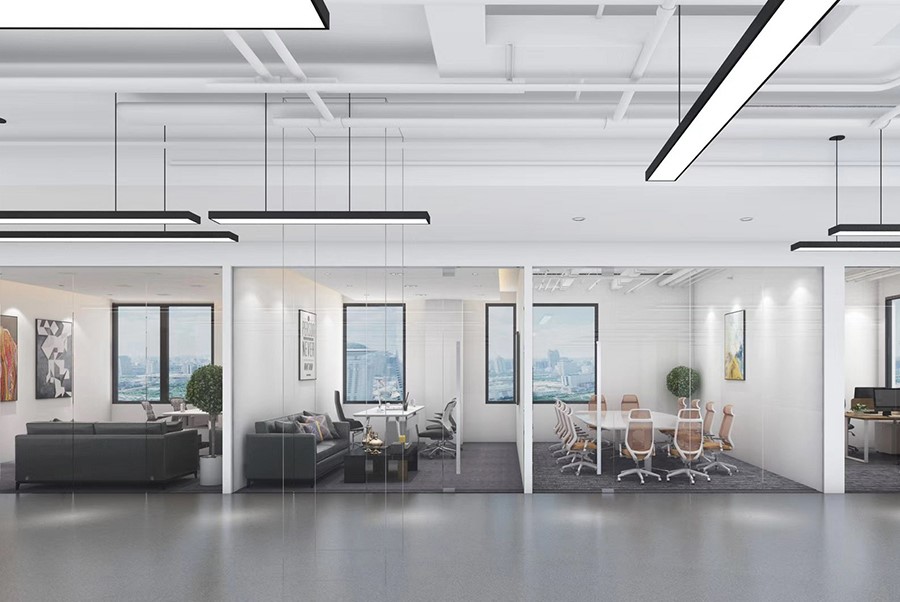
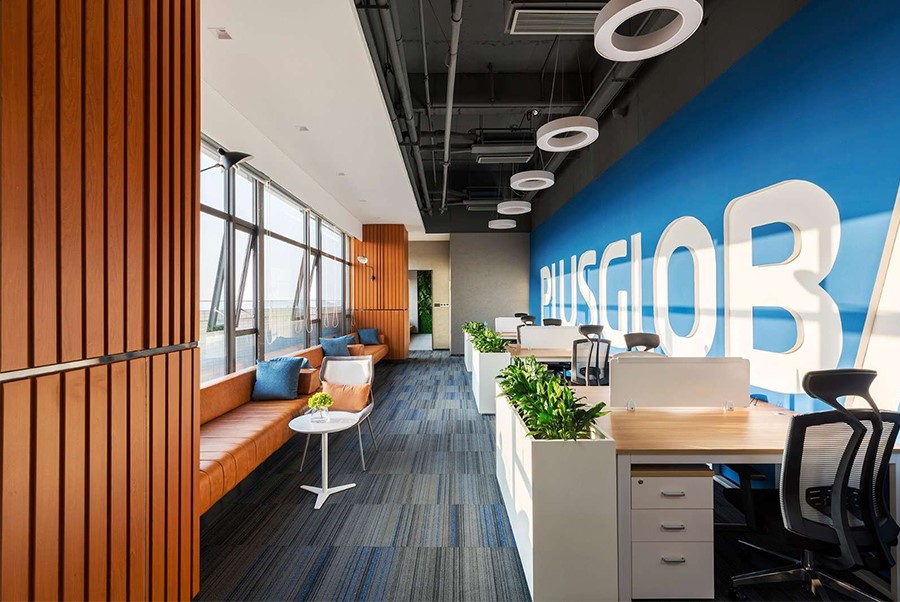
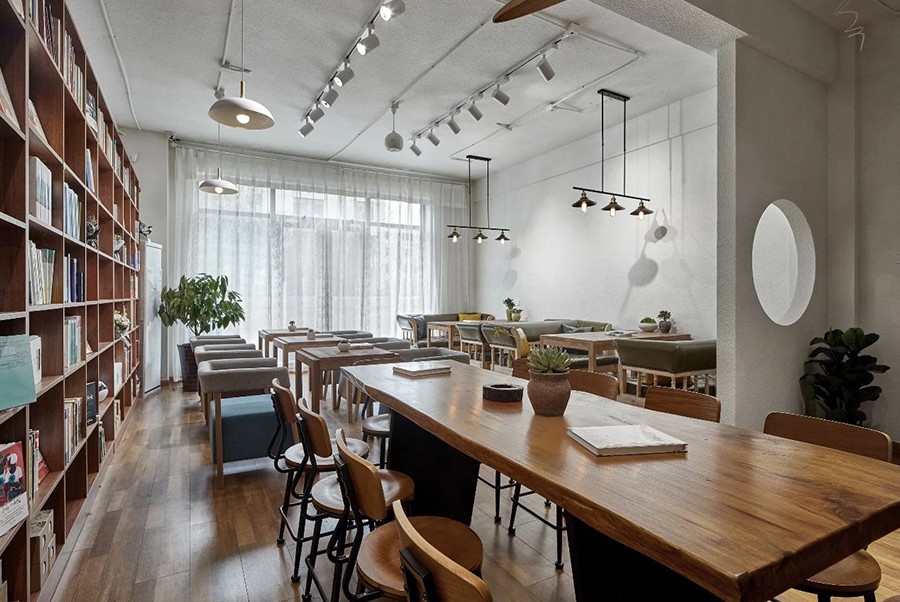
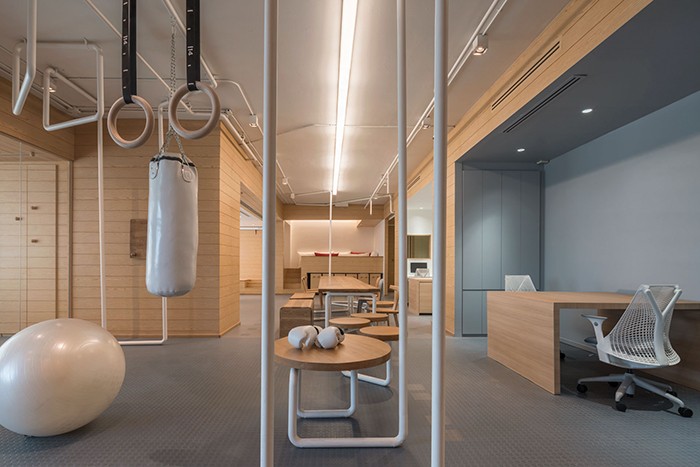
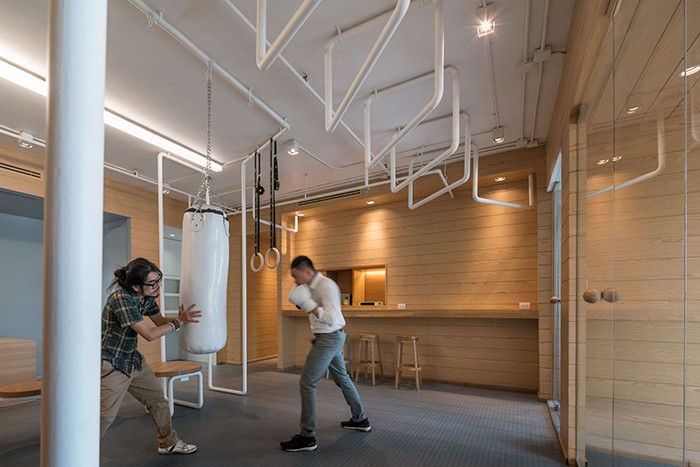
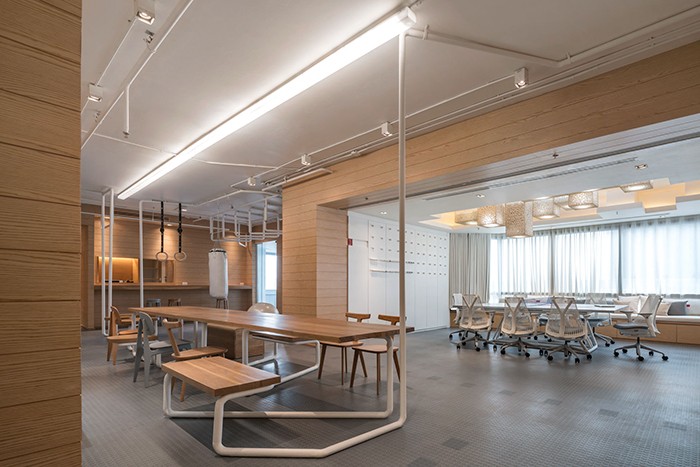
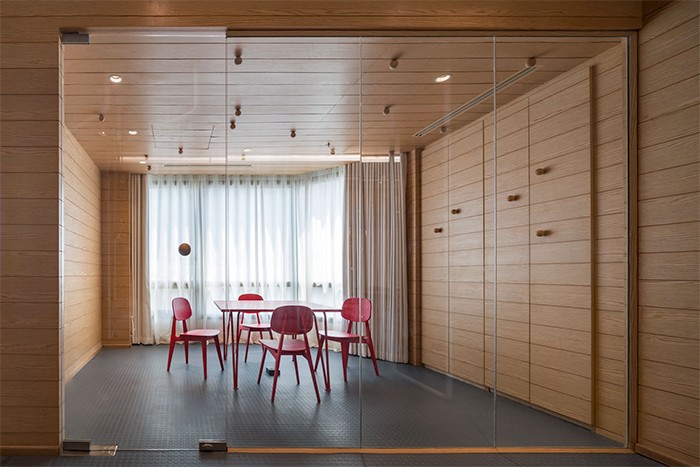
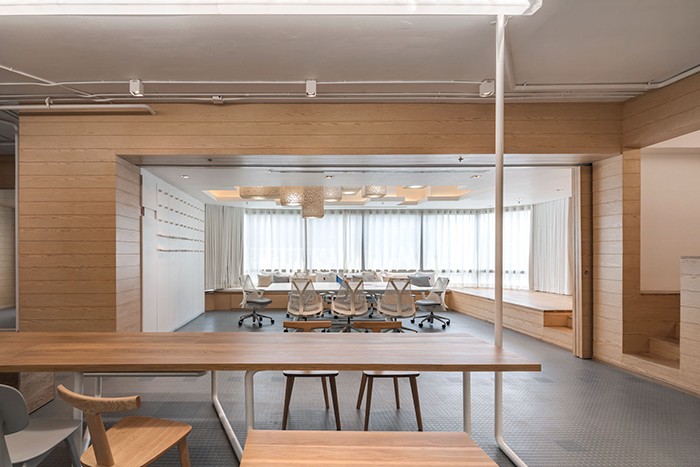
The office furniture situated within the main workspace of Inteltion’s Thailand office was entirely custom-manufactured and supplied by our factory.
The project’s context lies in the fact that this organization—a technology consultancy specializing in data analytics and systems integration—faced a core challenge: employees required the ability to rapidly switch between prolonged periods of highly focused coding and frequent, impromptu standing meetings. Traditional fixed-height furniture created significant friction in the team’s physical collaboration within the workspace. Furthermore, given that the interior featured extensive curved glass walls, resolving issues regarding the structural integrity of furniture seams at irregular edges—while maintaining visual continuity—emerged as the client’s most vexing technical pain point.
To address this, we implemented a solution incorporating inductive center-of-gravity balancing technology and spatial geometry fitting algorithms. We embedded intelligent bases into all core workstations; these bases actively adjust their support angles to compensate for even the slightest shifts in human posture. Additionally, to accommodate the curved architectural contours, we developed edge-finishing modules featuring three-dimensional flexible-fitting capabilities. These solutions successfully passed rigorous testing—including comparative monitoring of muscle fatigue indices for prolonged, high-stress work environments, as well as physical shear-resistance tests involving tens of thousands of cycles on non-standard, irregular structures. This ensured that the furniture not only provided ultimate dynamic support but also achieved a flawless, industrialized integration with the complex architectural lines of the interior space.
The final results were remarkable. This custom furniture system—characterized by a fluid, organic aesthetic—deeply embedded the principles of “healthy work” and “borderless collaboration” into the very logic of the workspace. It not only completely eliminated the collaborative barriers previously caused by spatial dead zones but also earned high acclaim from the client for its precise material realization of the future of office design—demonstrating our ability to translate complex algorithms into practical, ergonomic beauty.