Crudo Sushibar
Project Address:Italy
Customer Type:Interior Design
Project Type:Catering
Major Suppliers:Restaurant Furniture
Case description
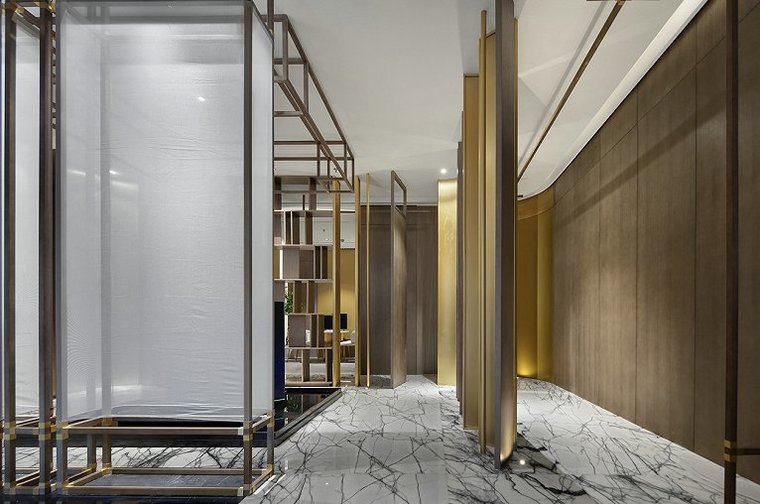
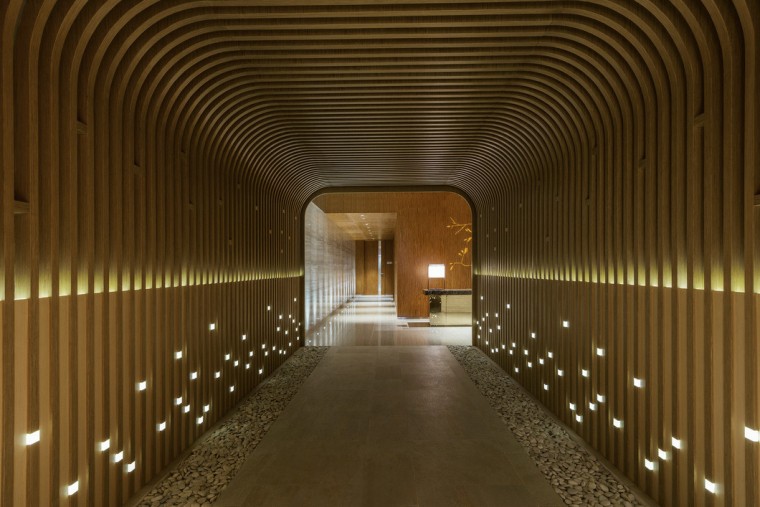
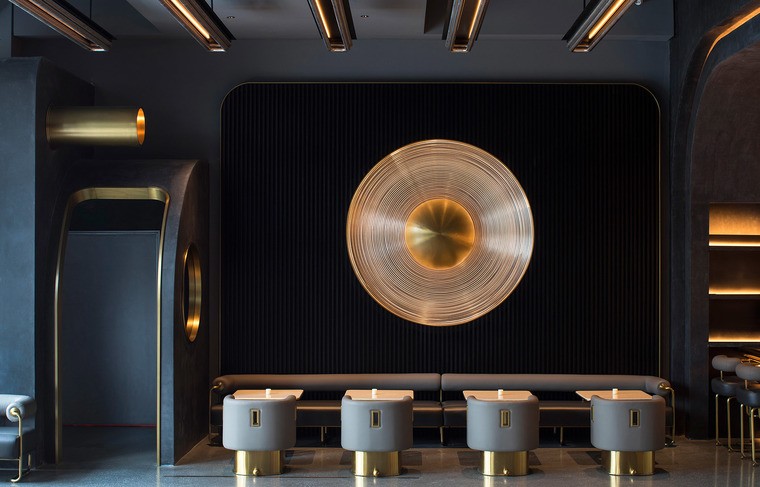
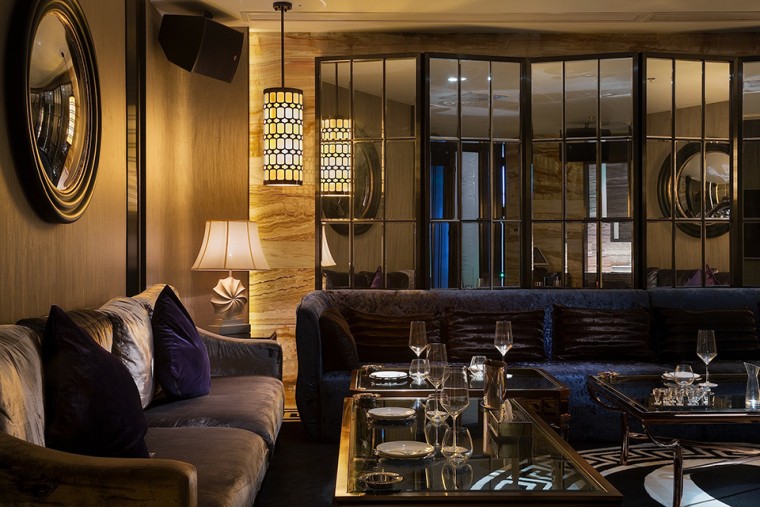
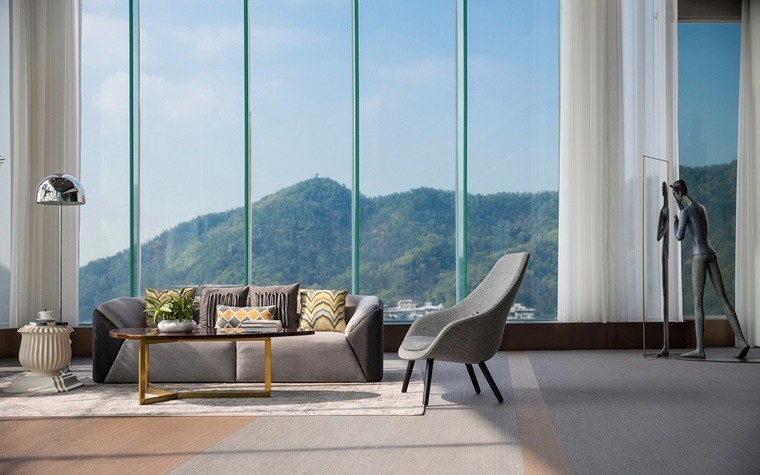
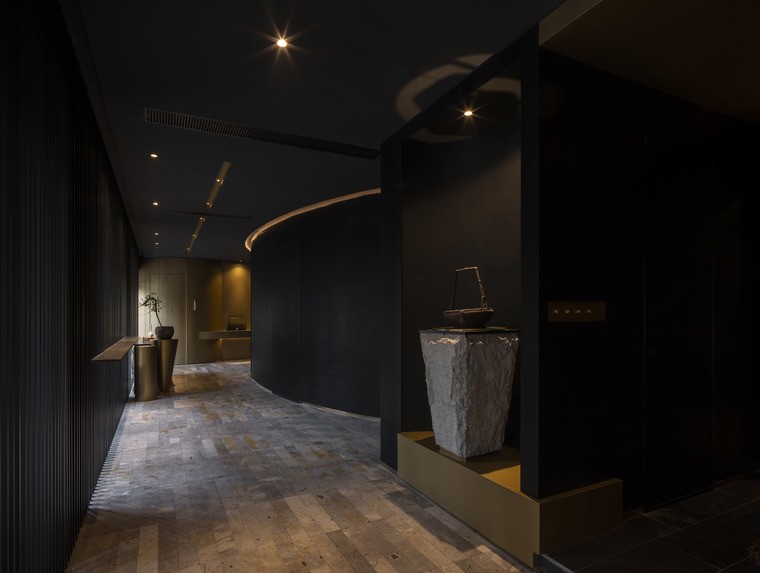
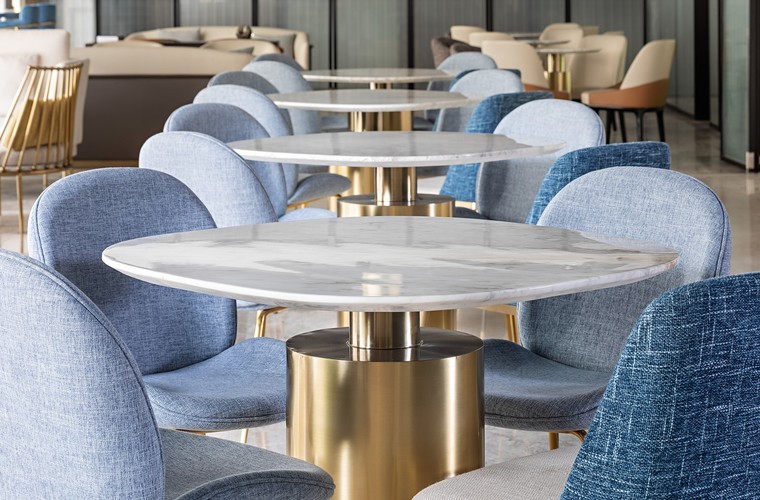
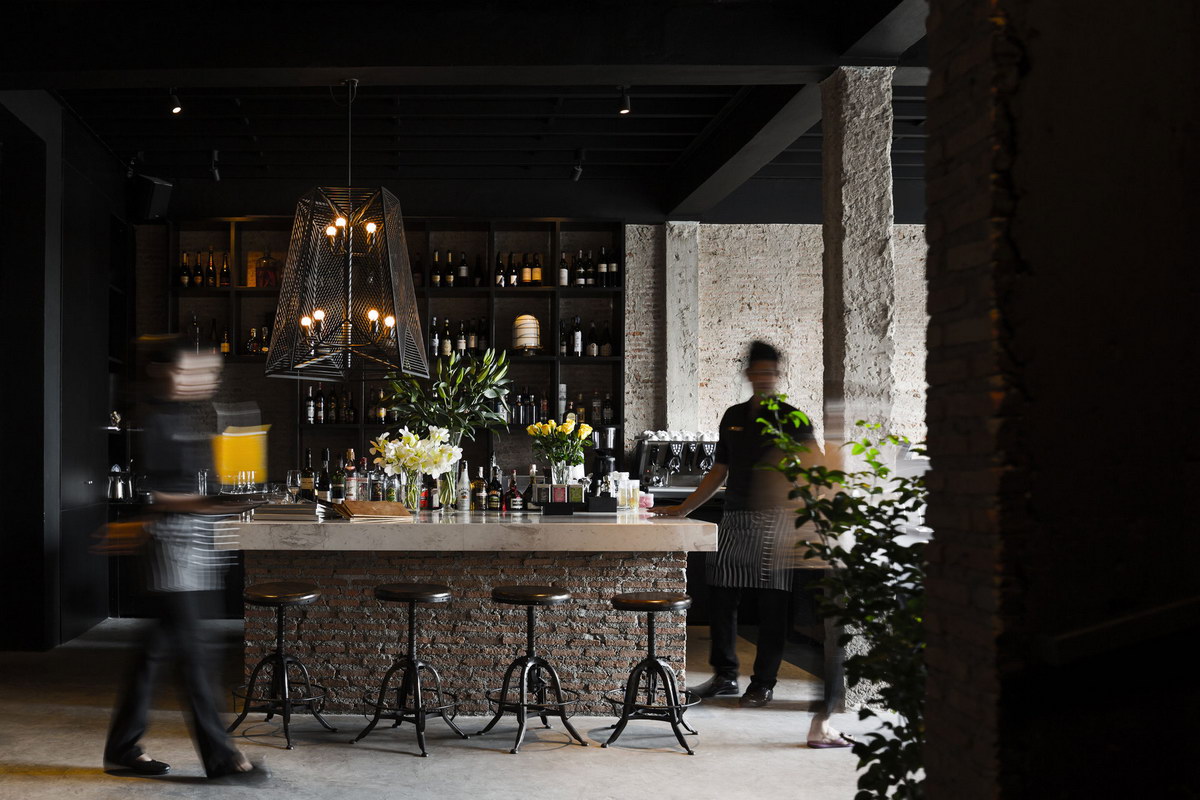
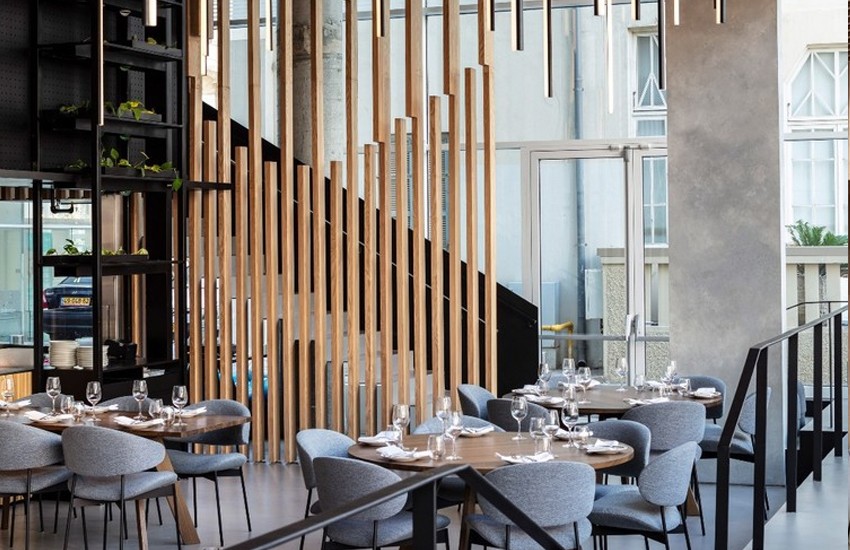
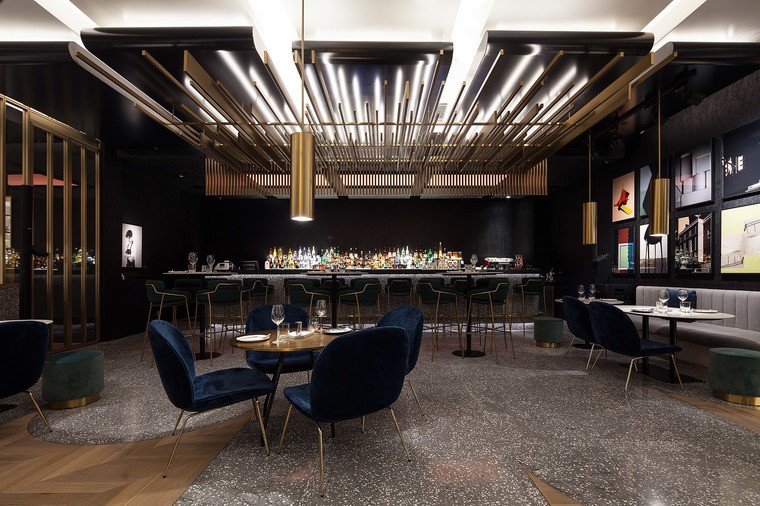
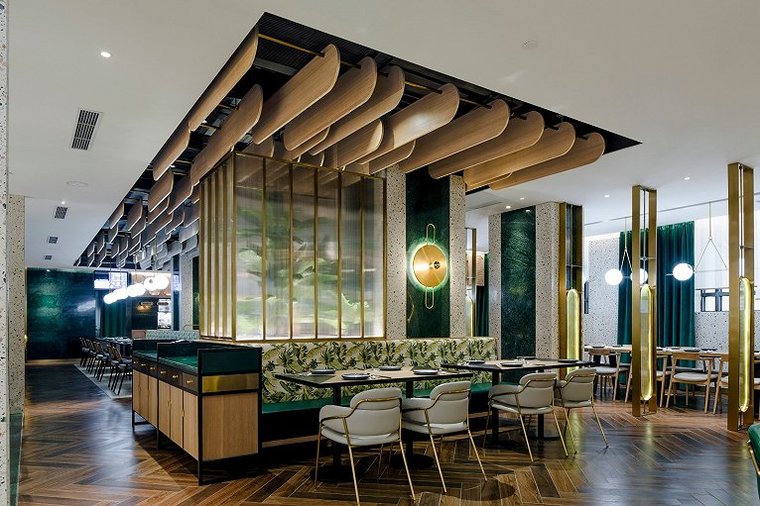
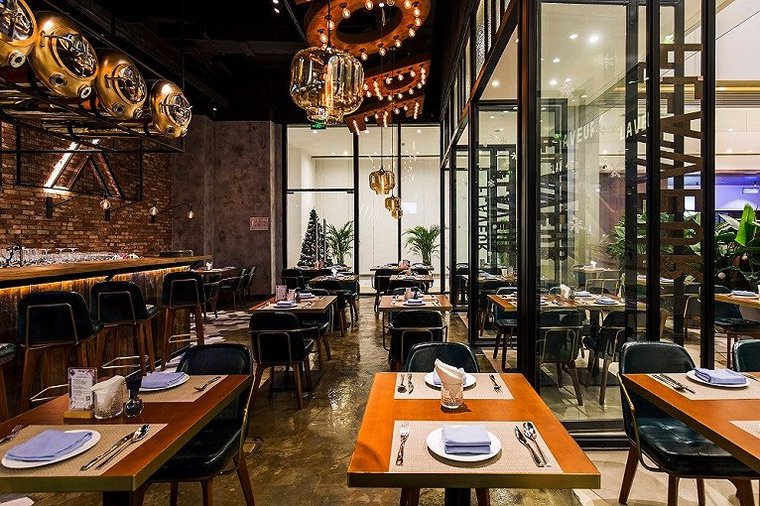
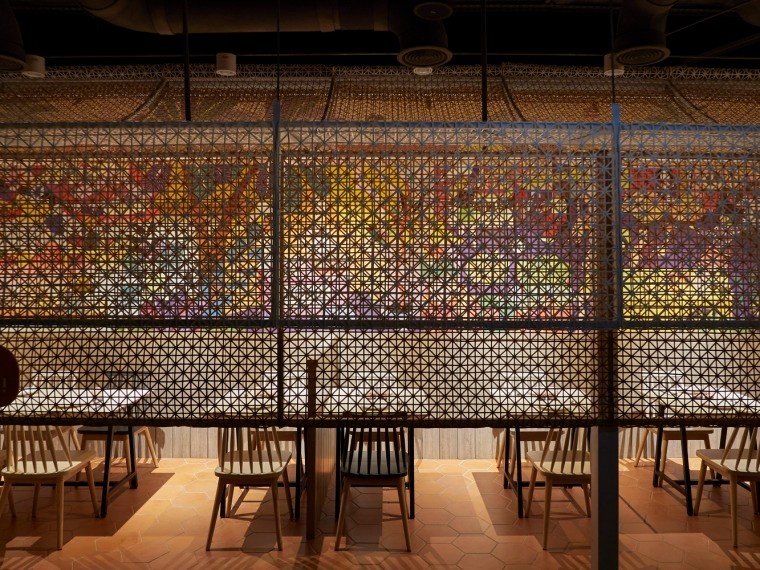
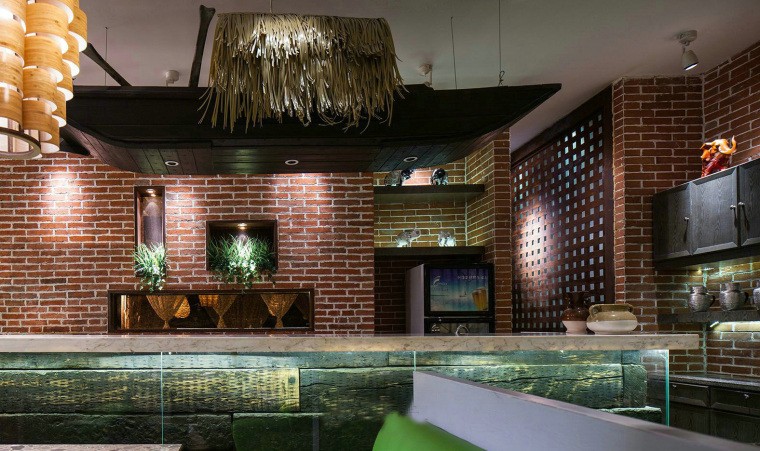
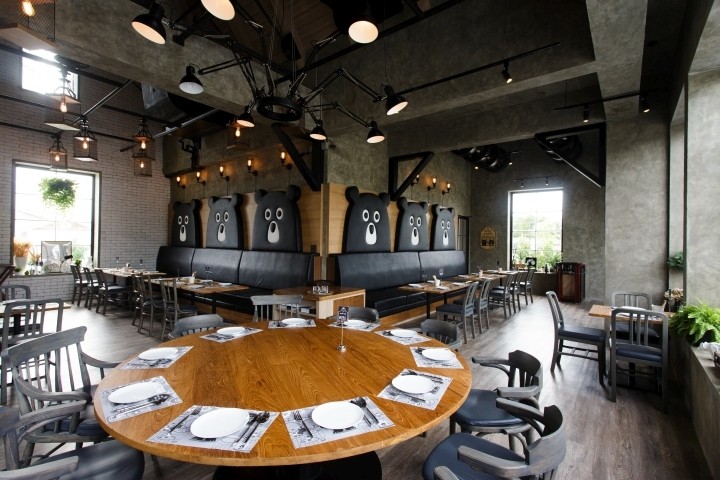
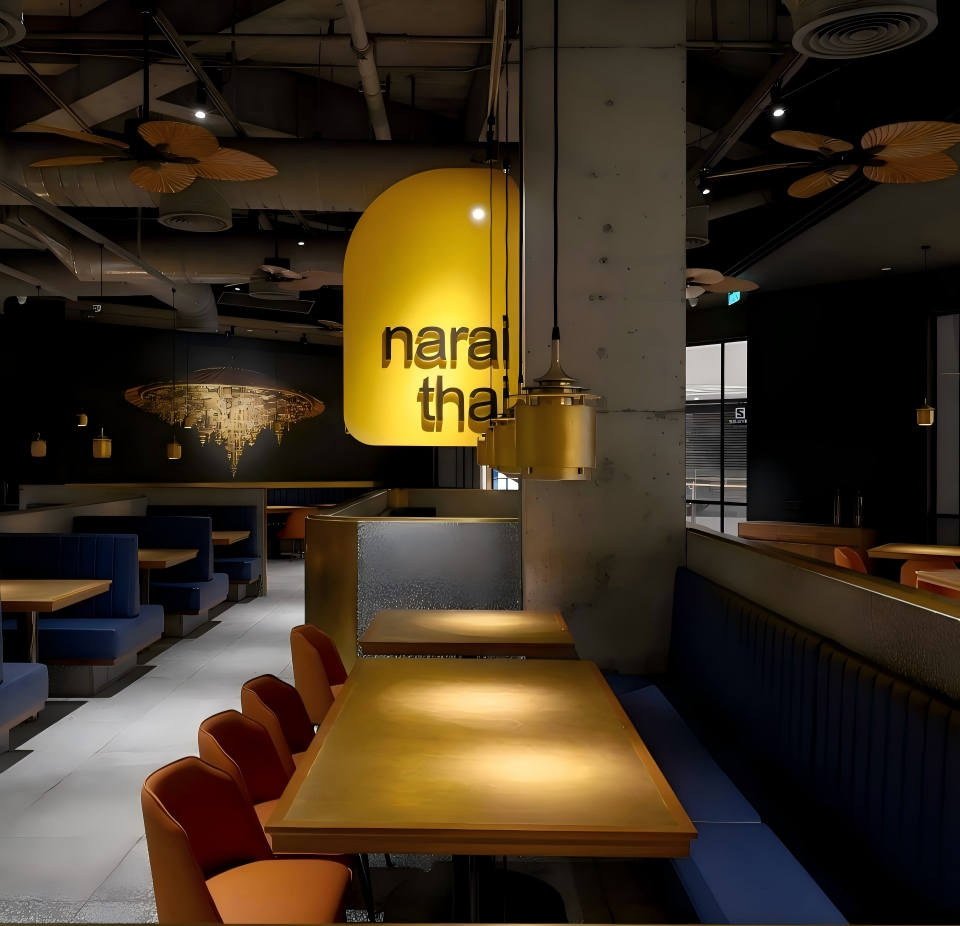
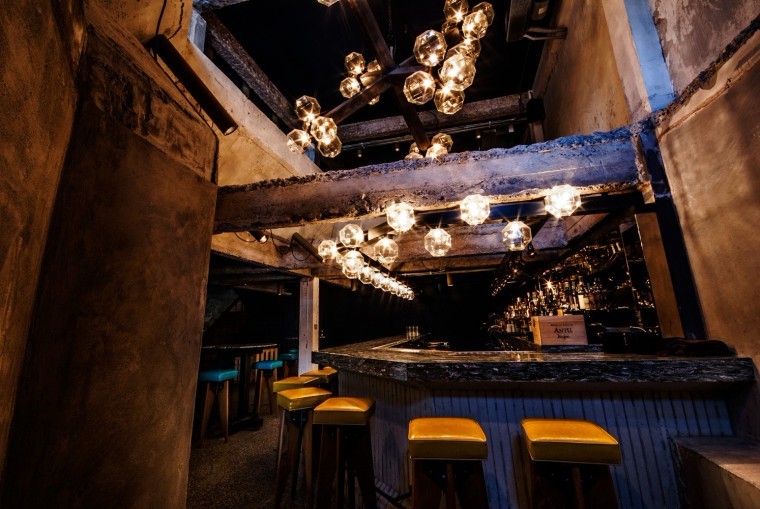
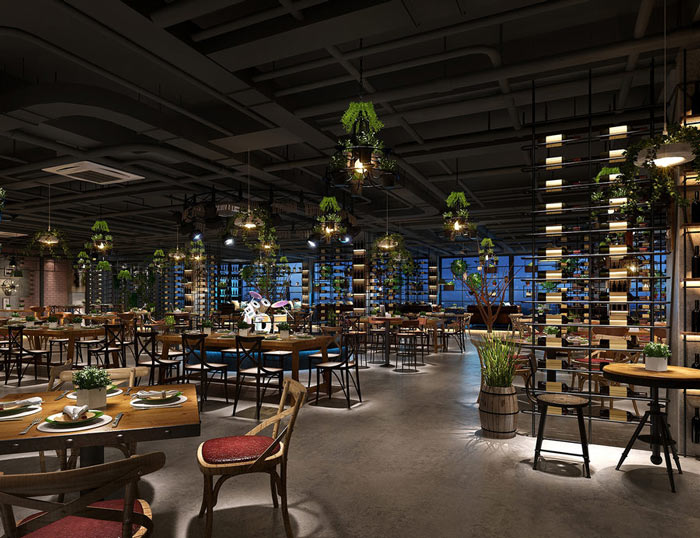
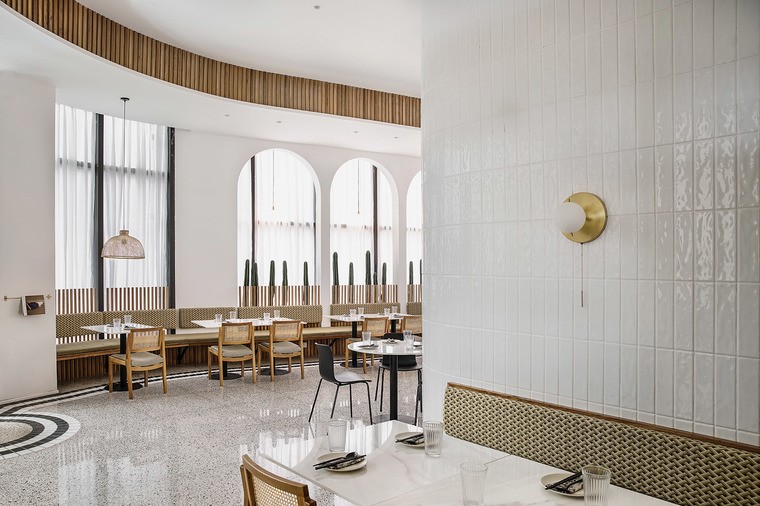
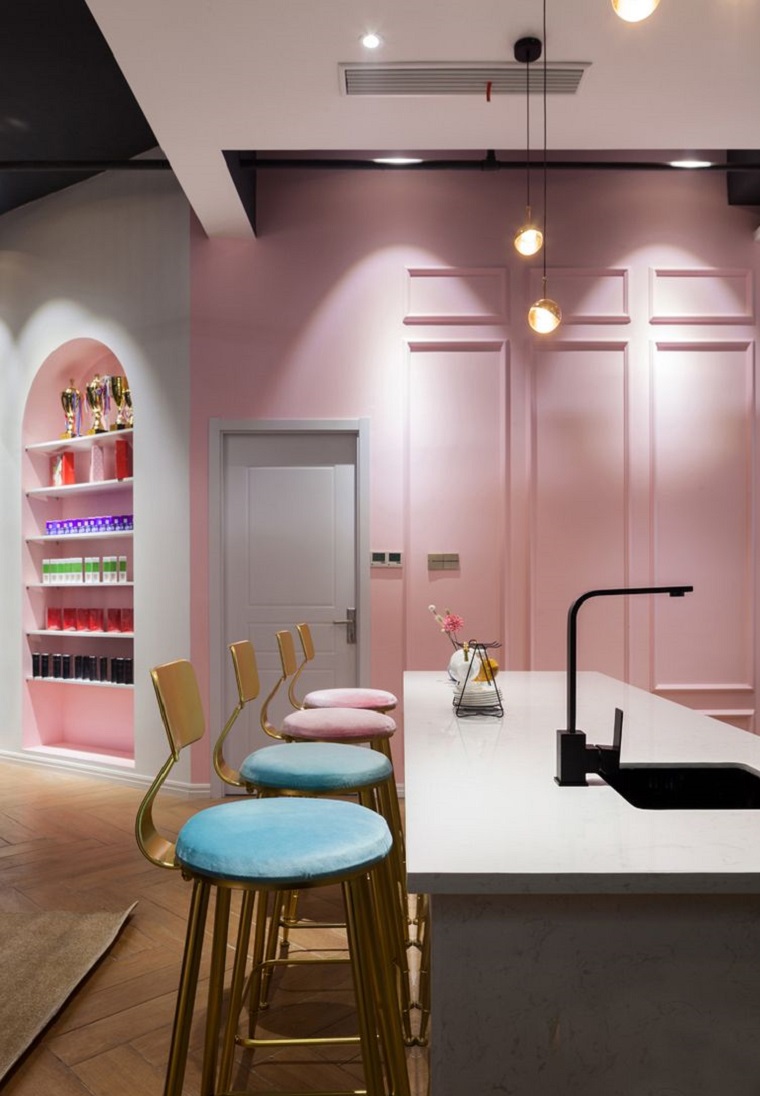
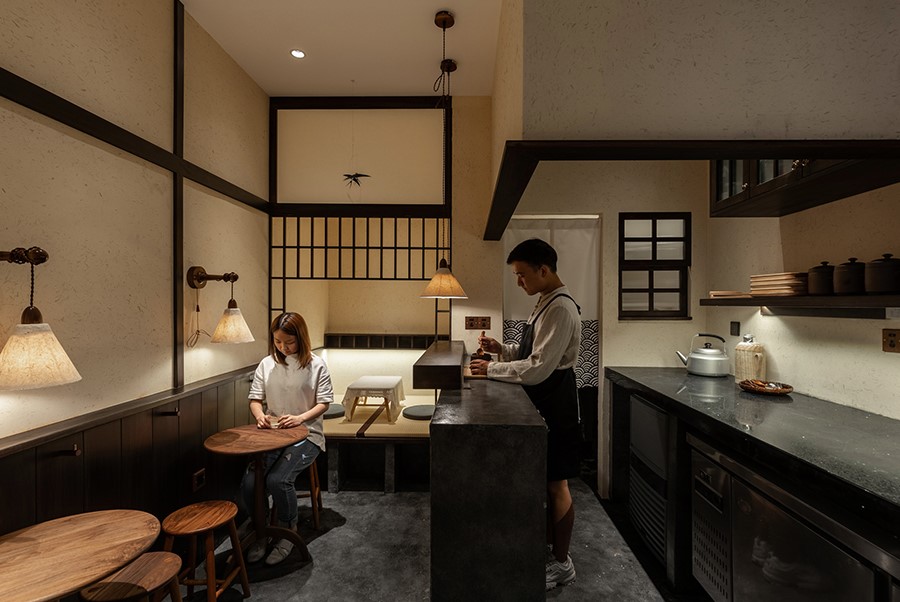
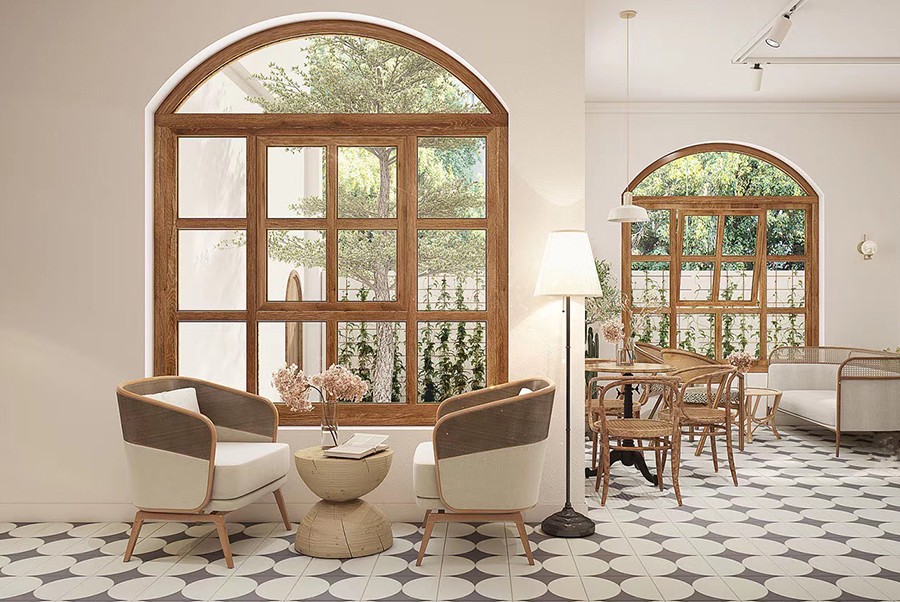
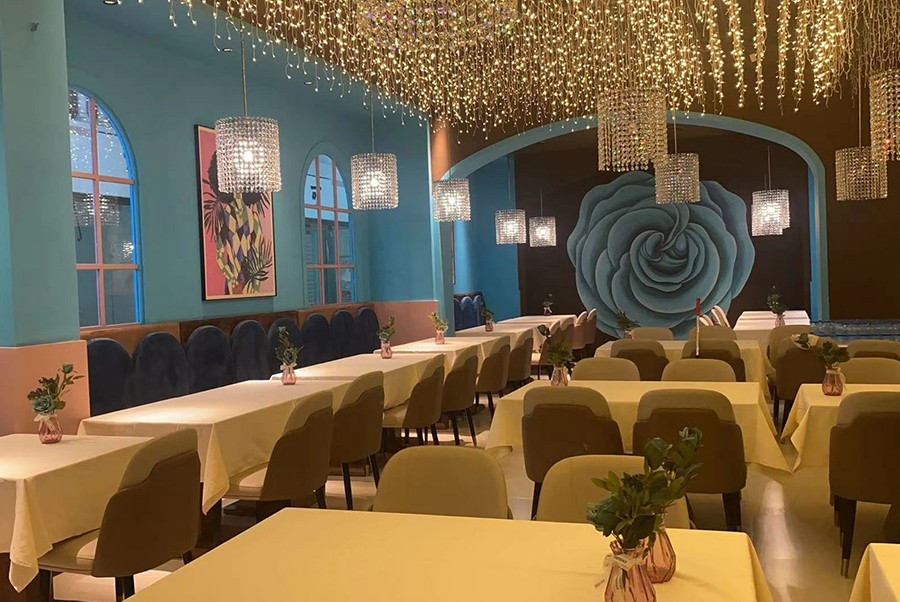
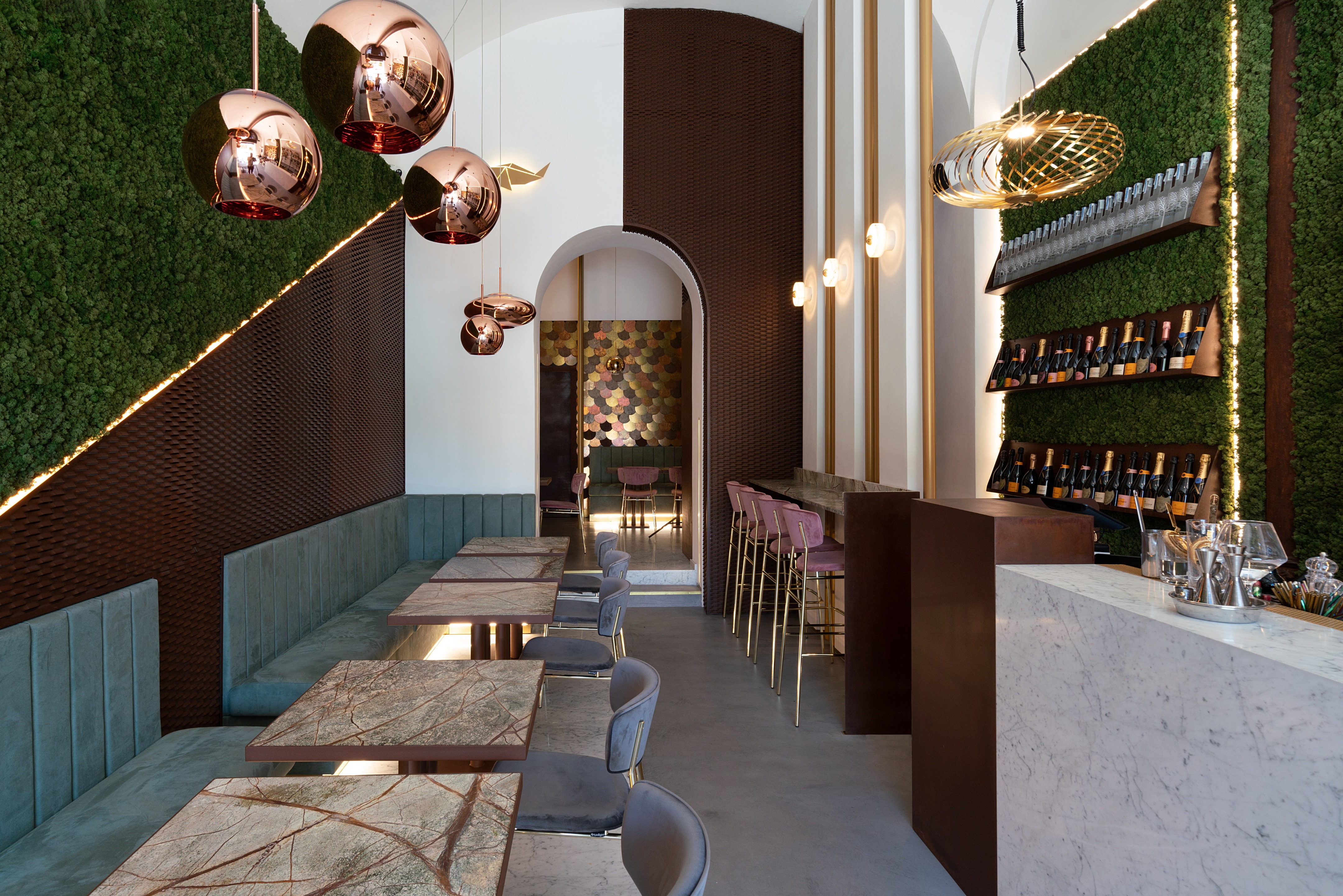
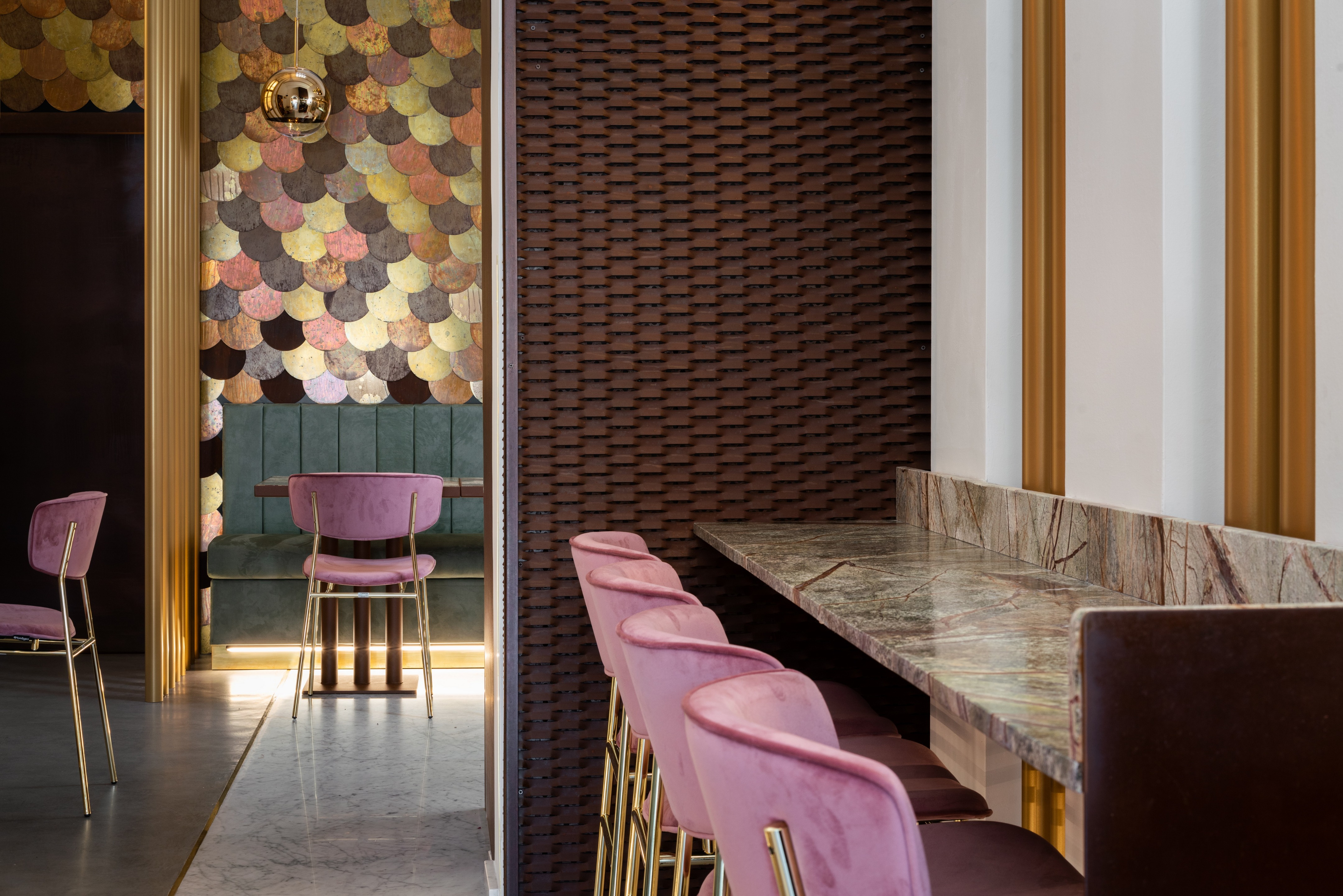
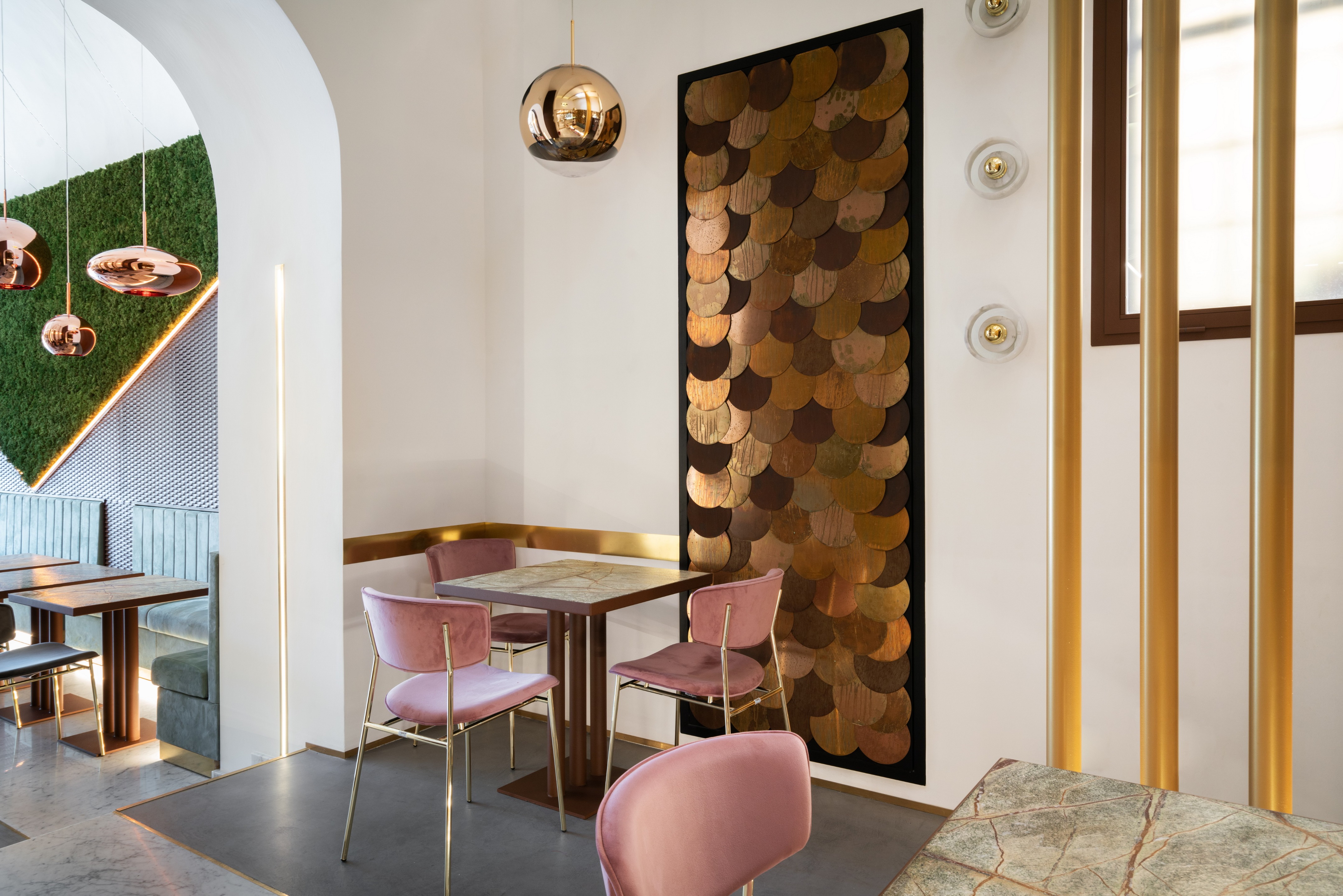
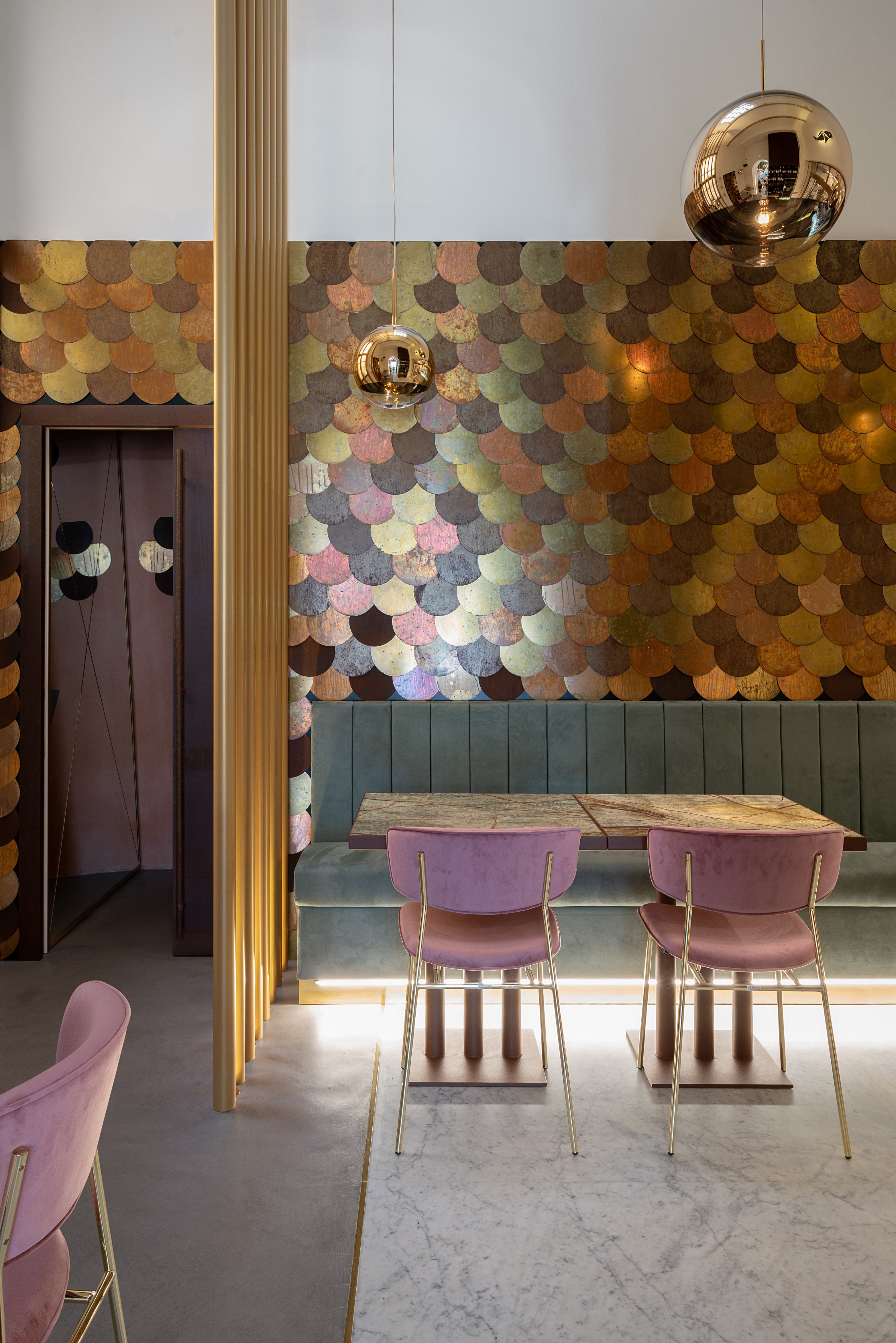
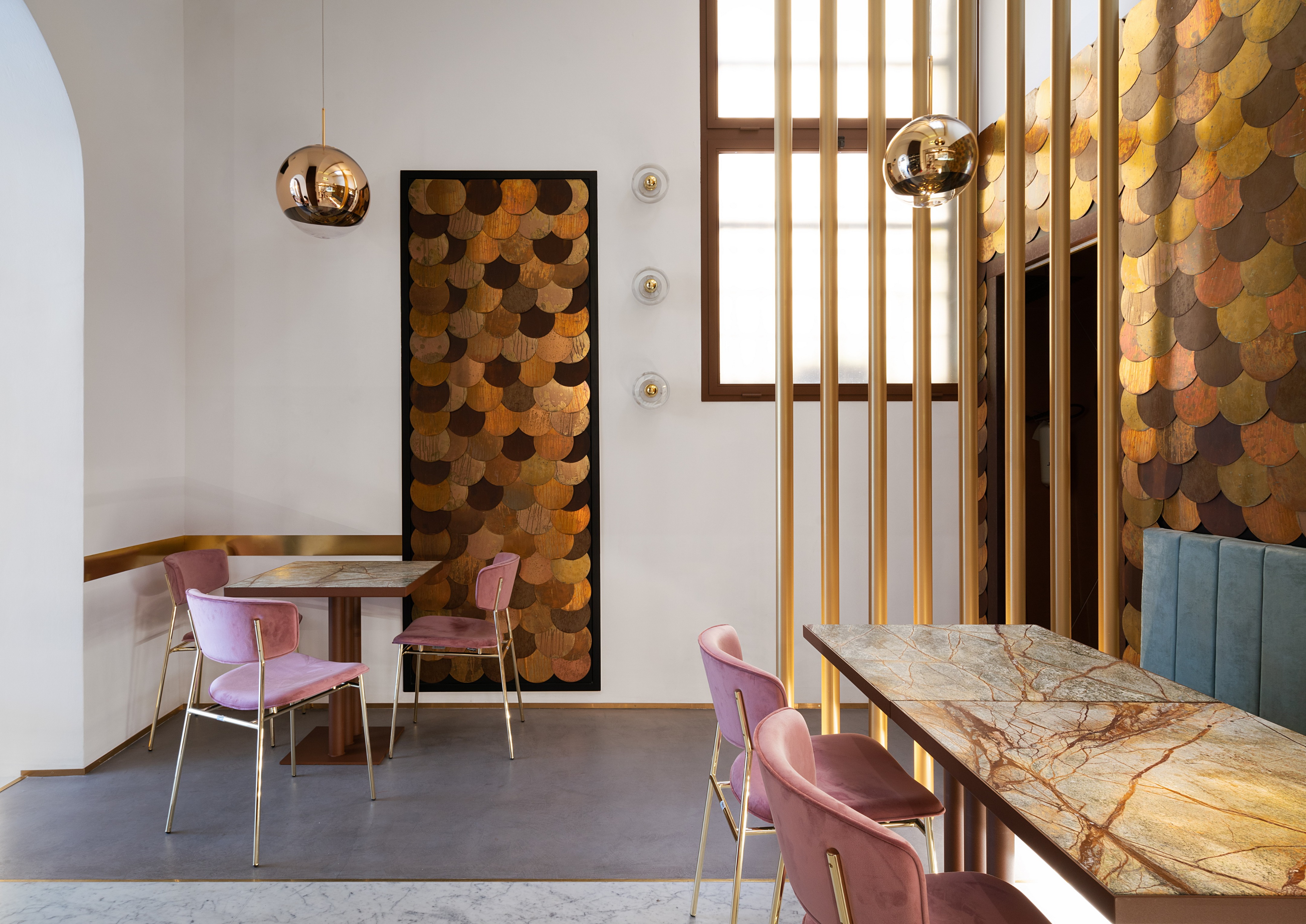
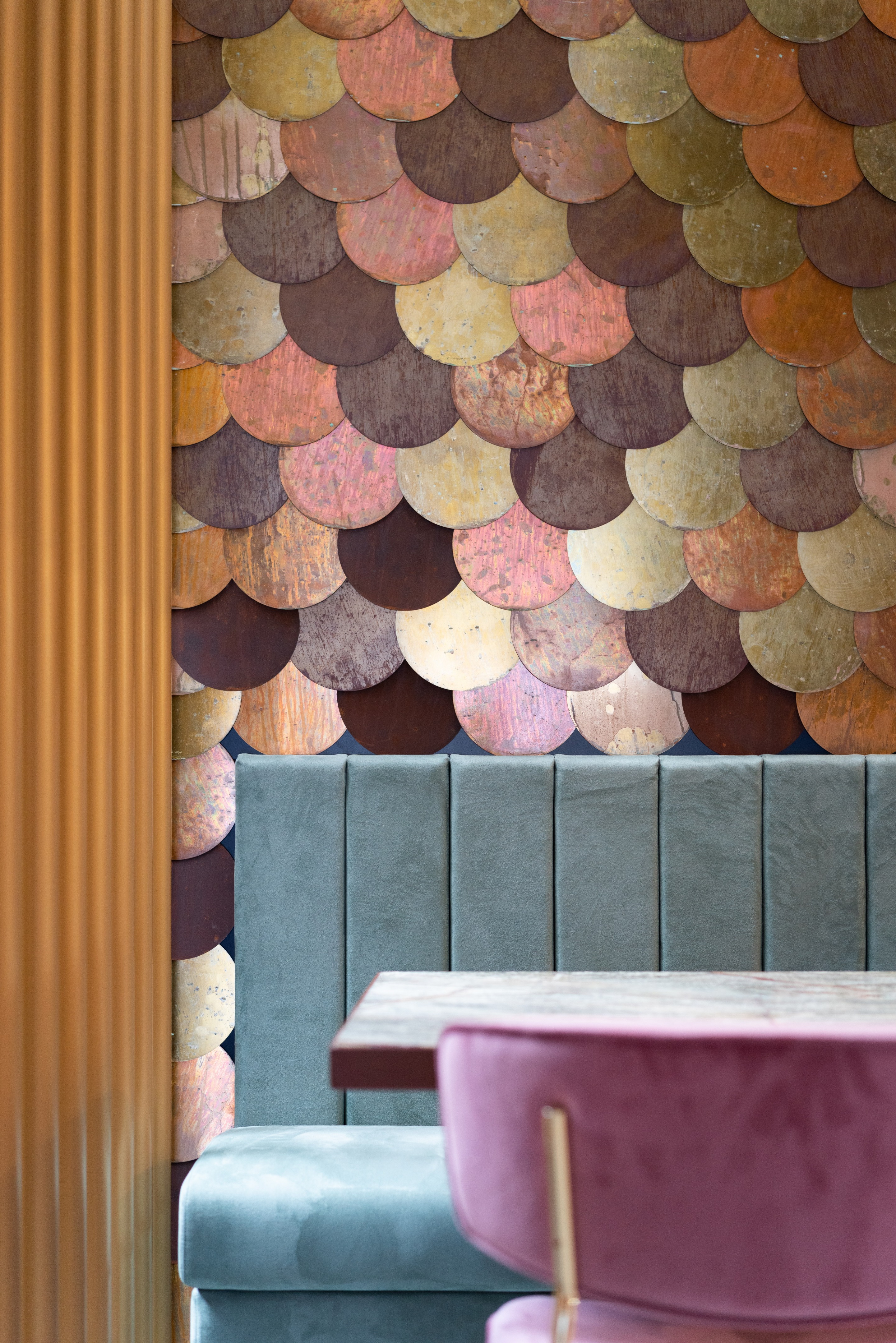
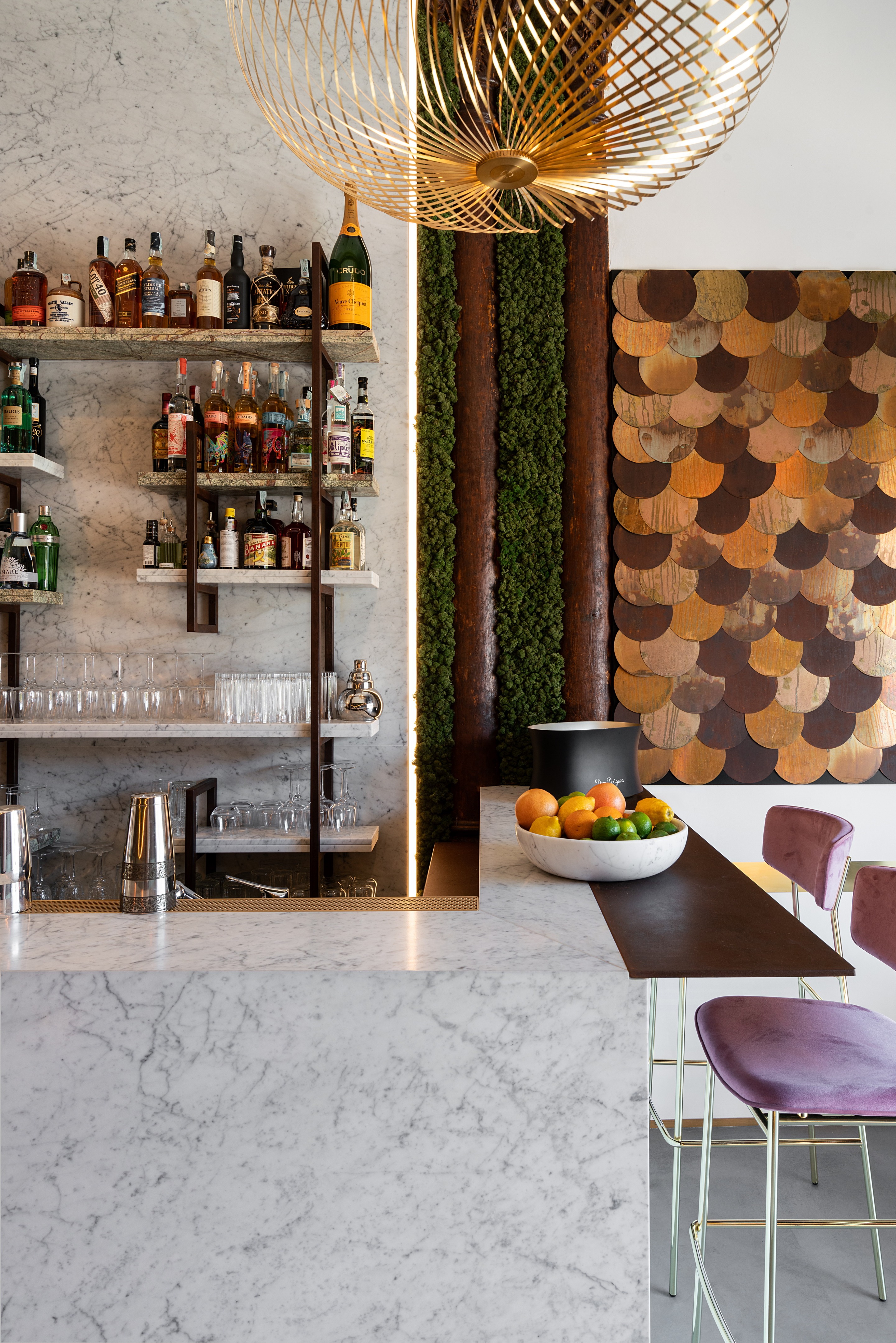
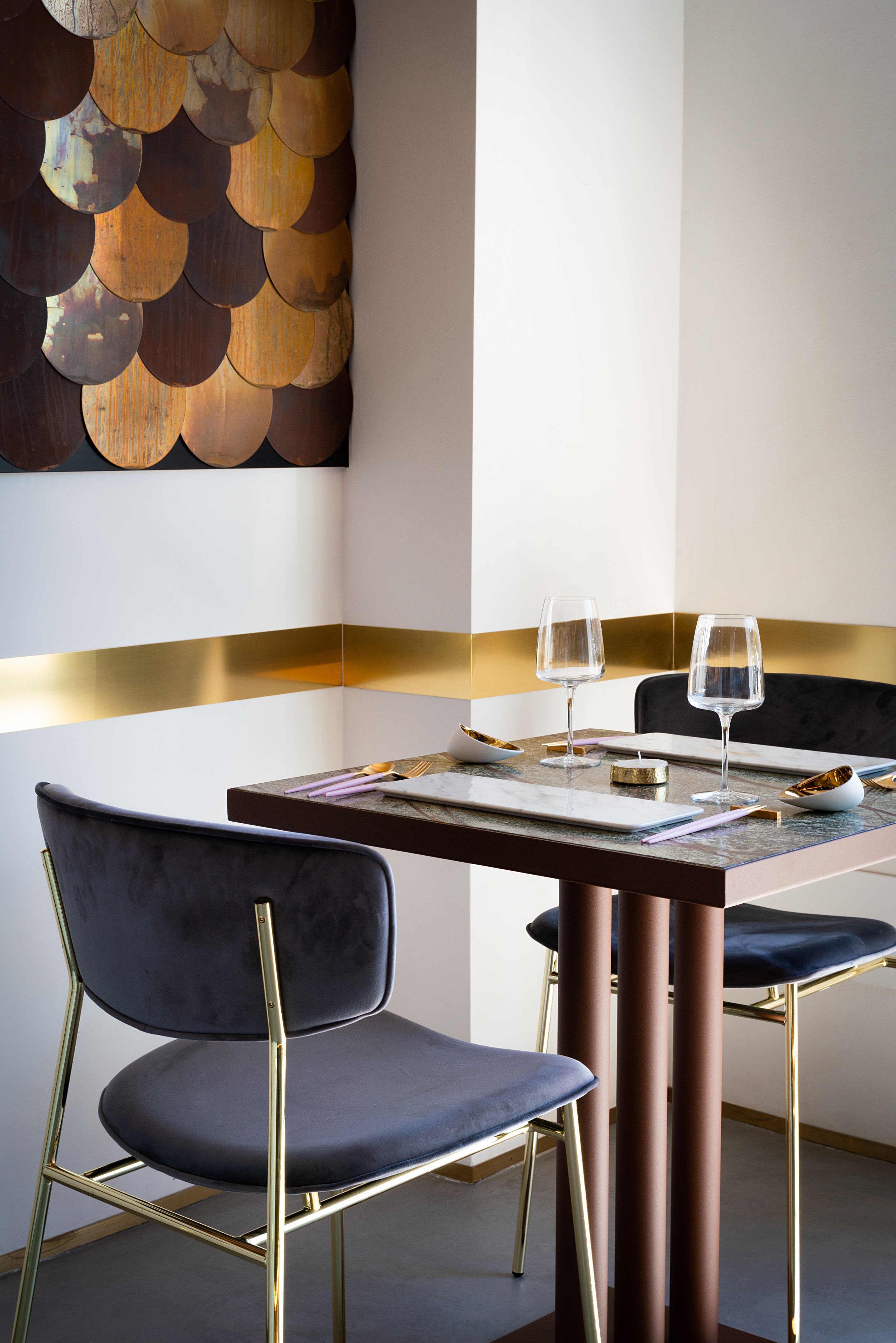
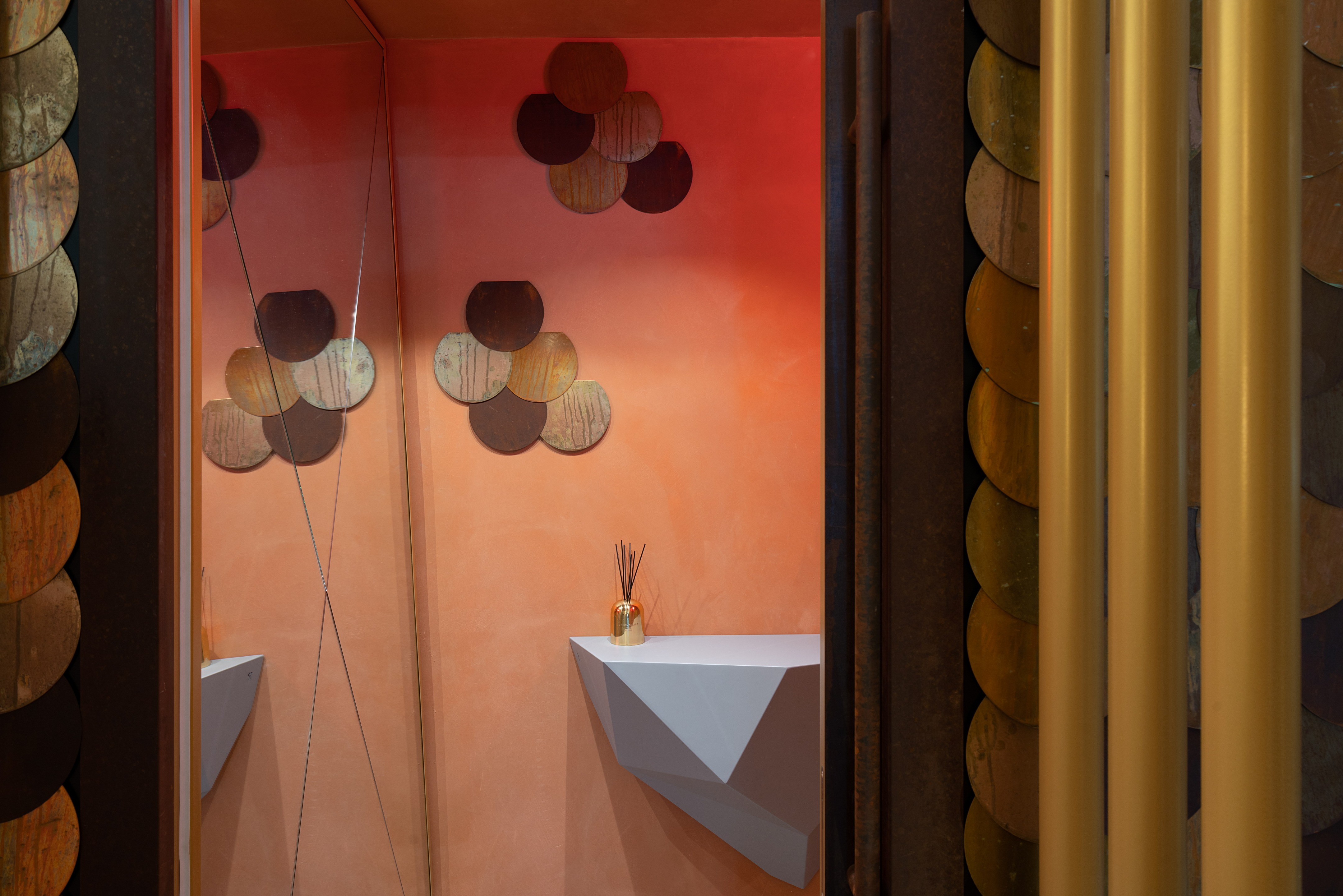
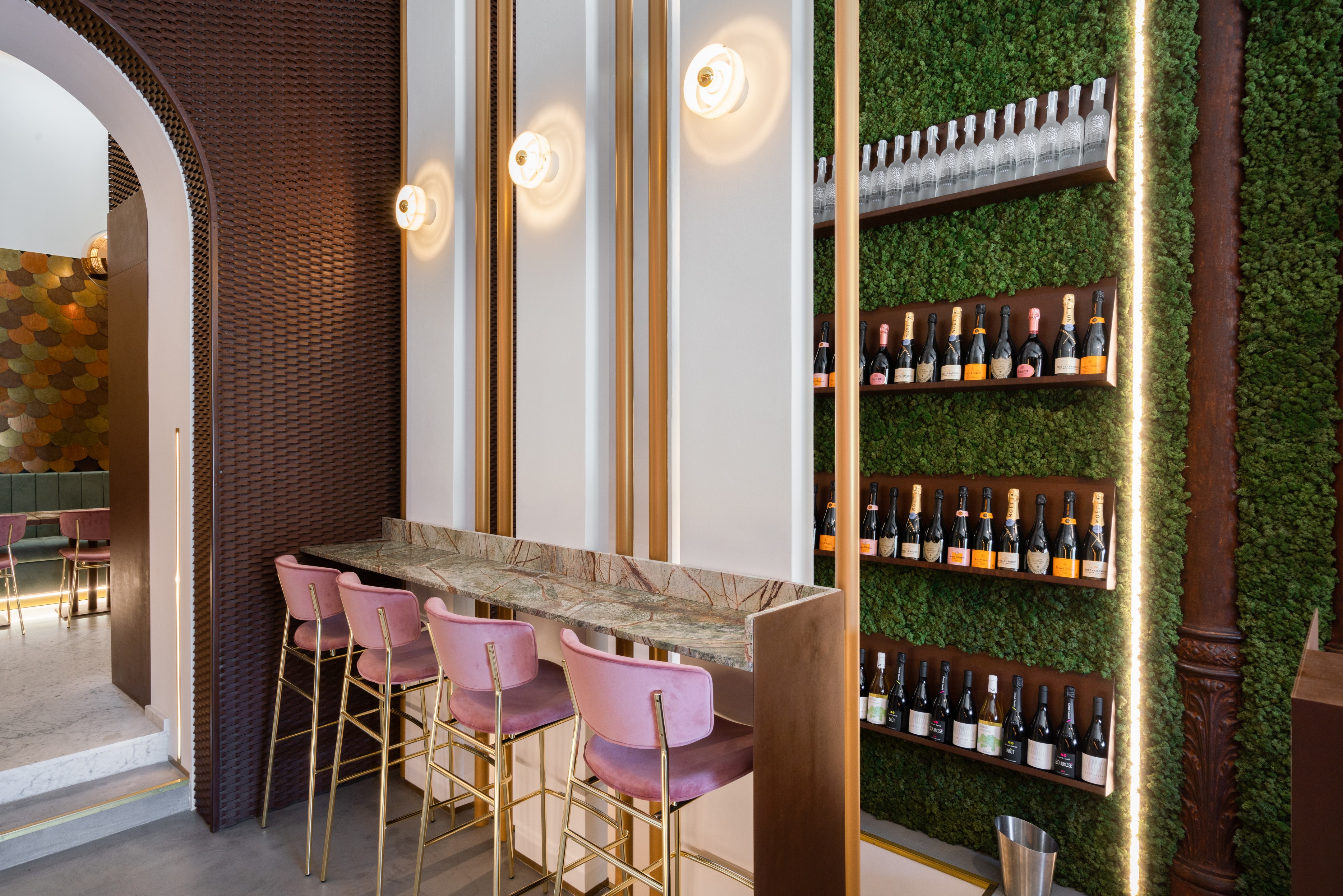
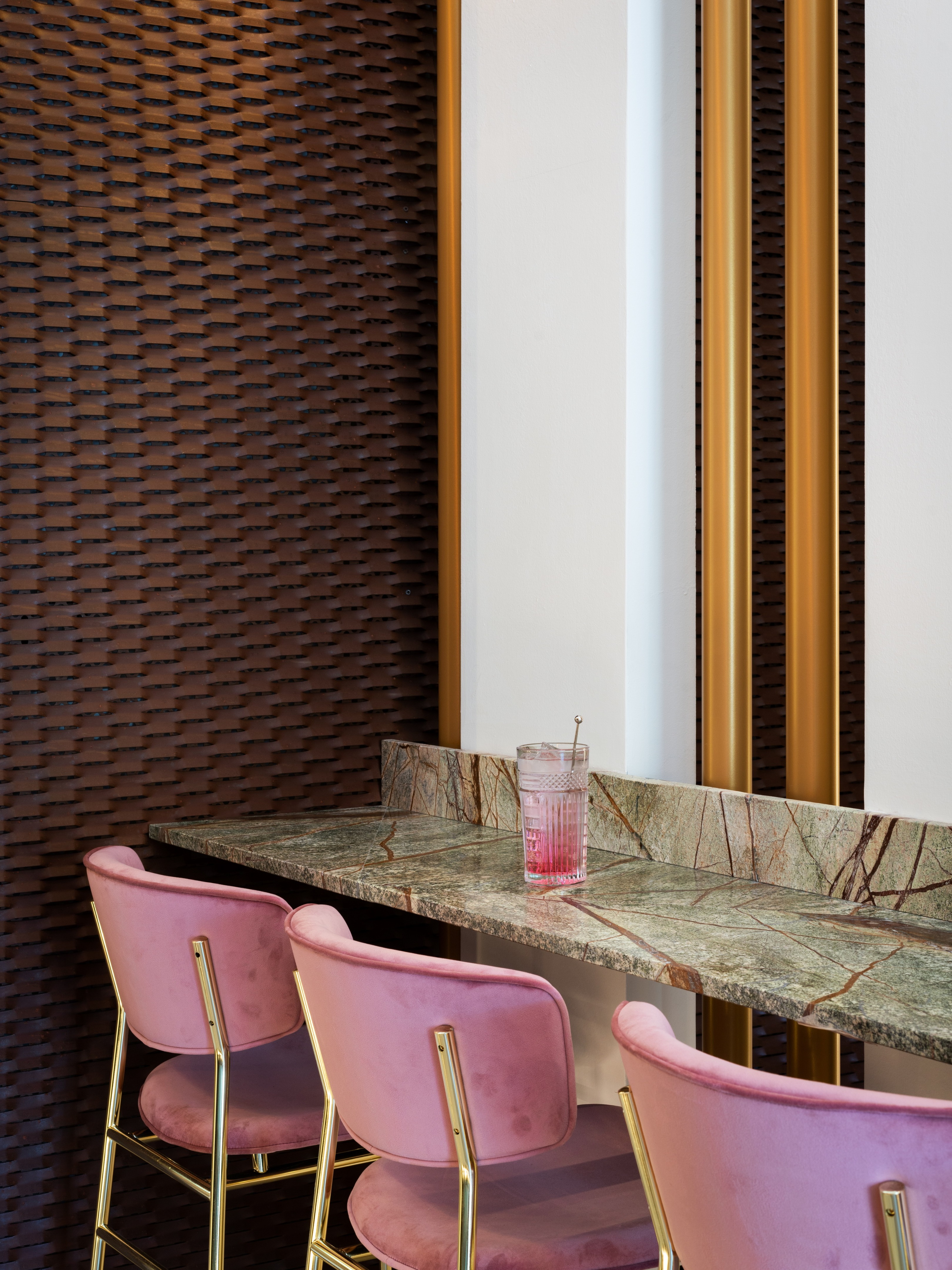
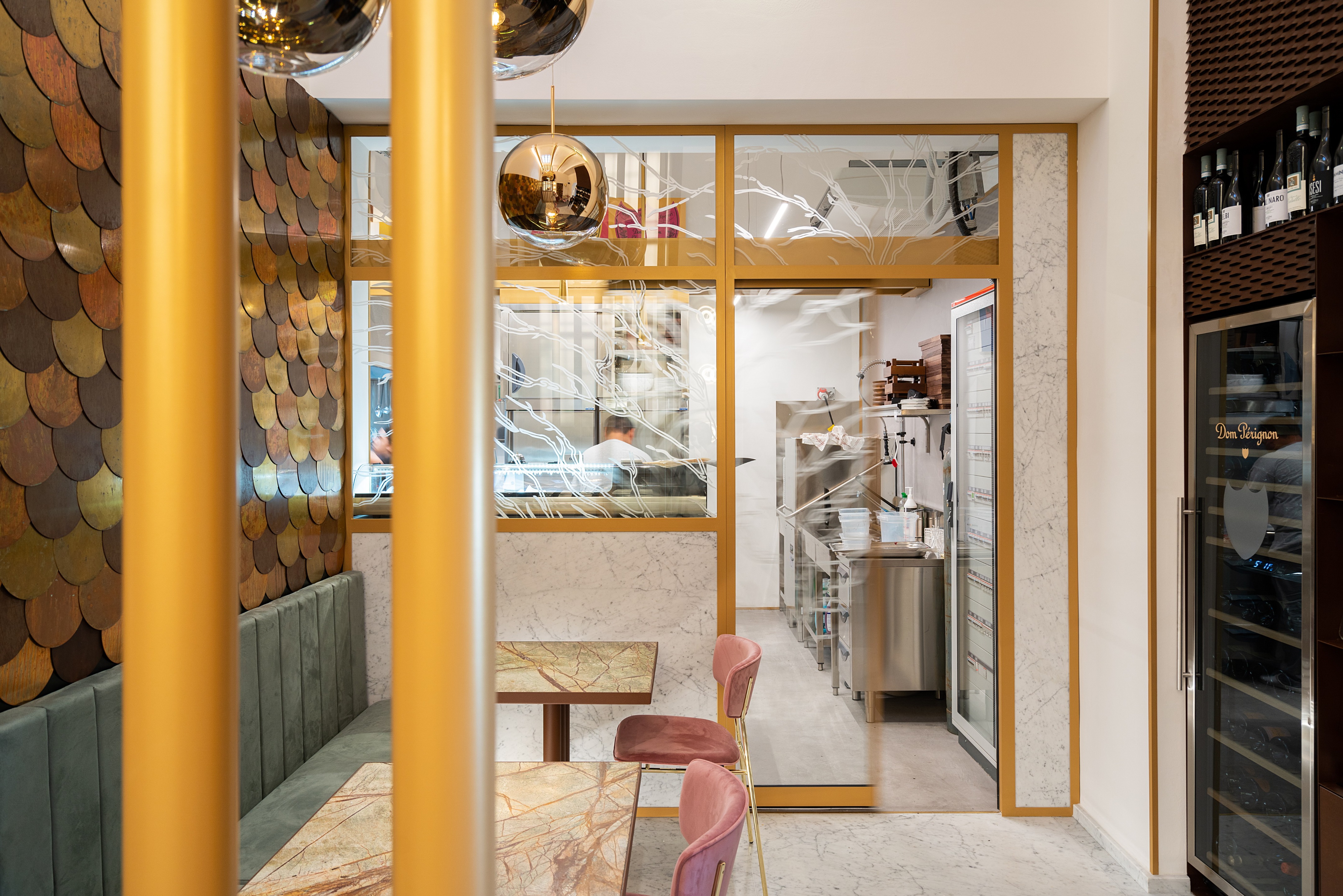
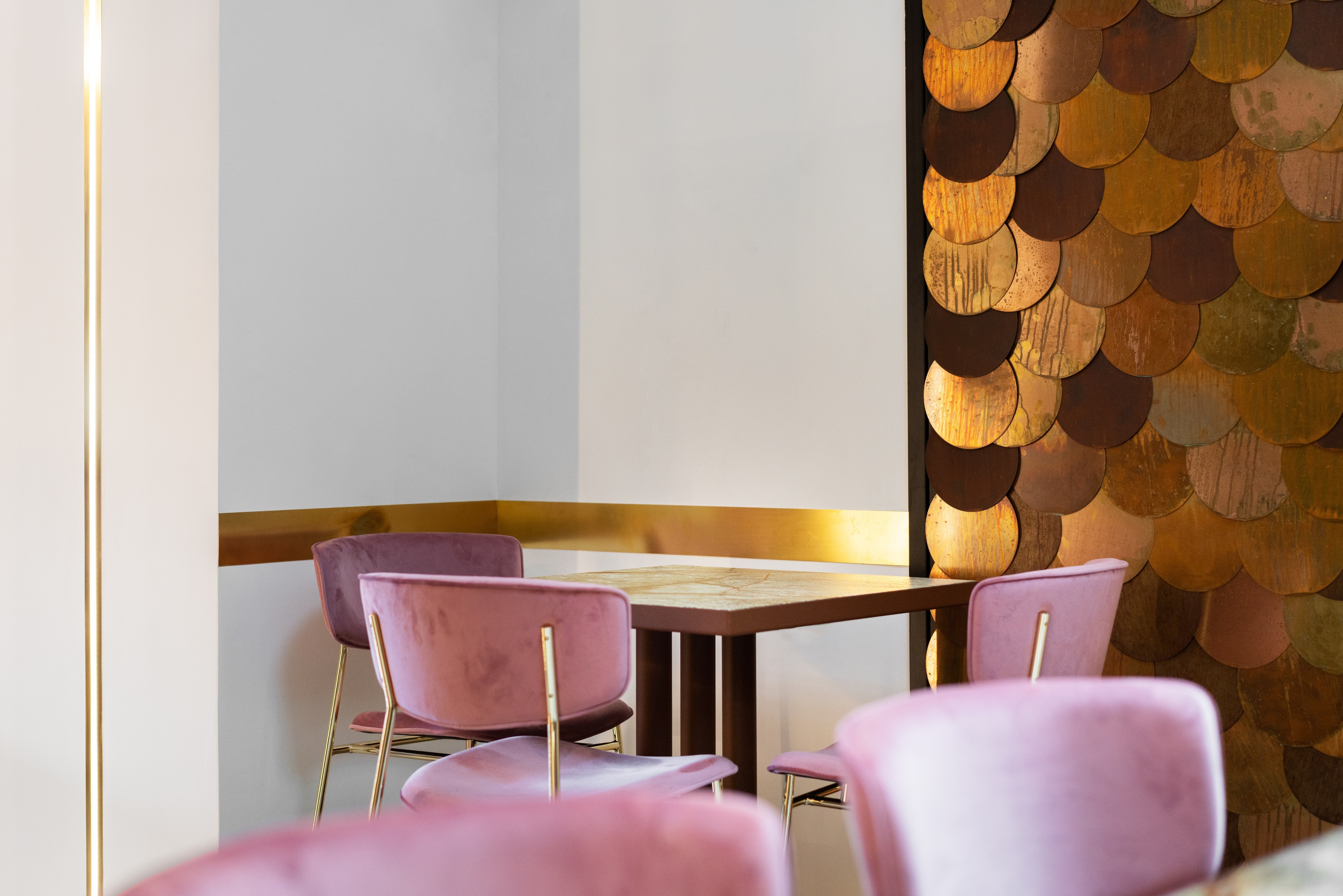
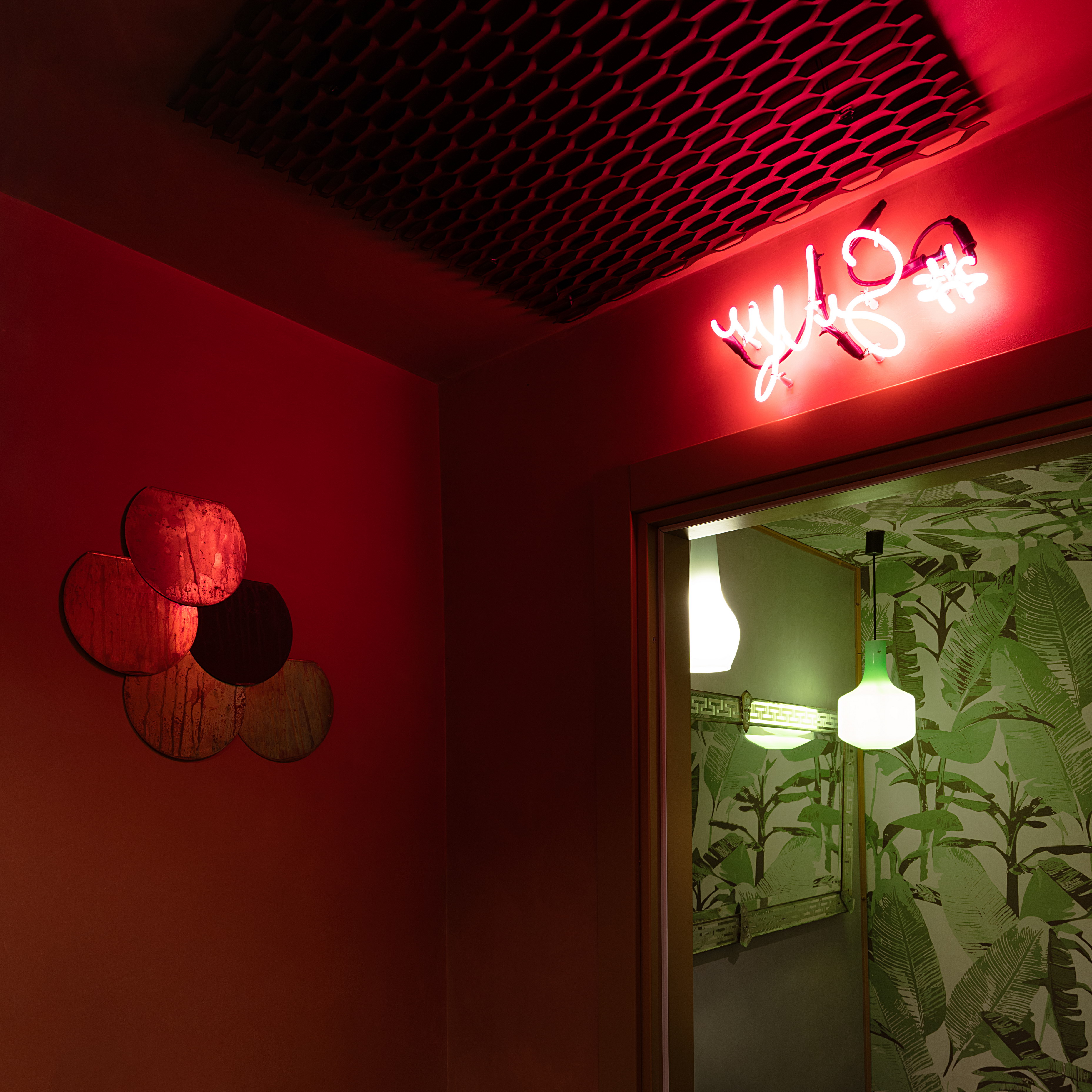
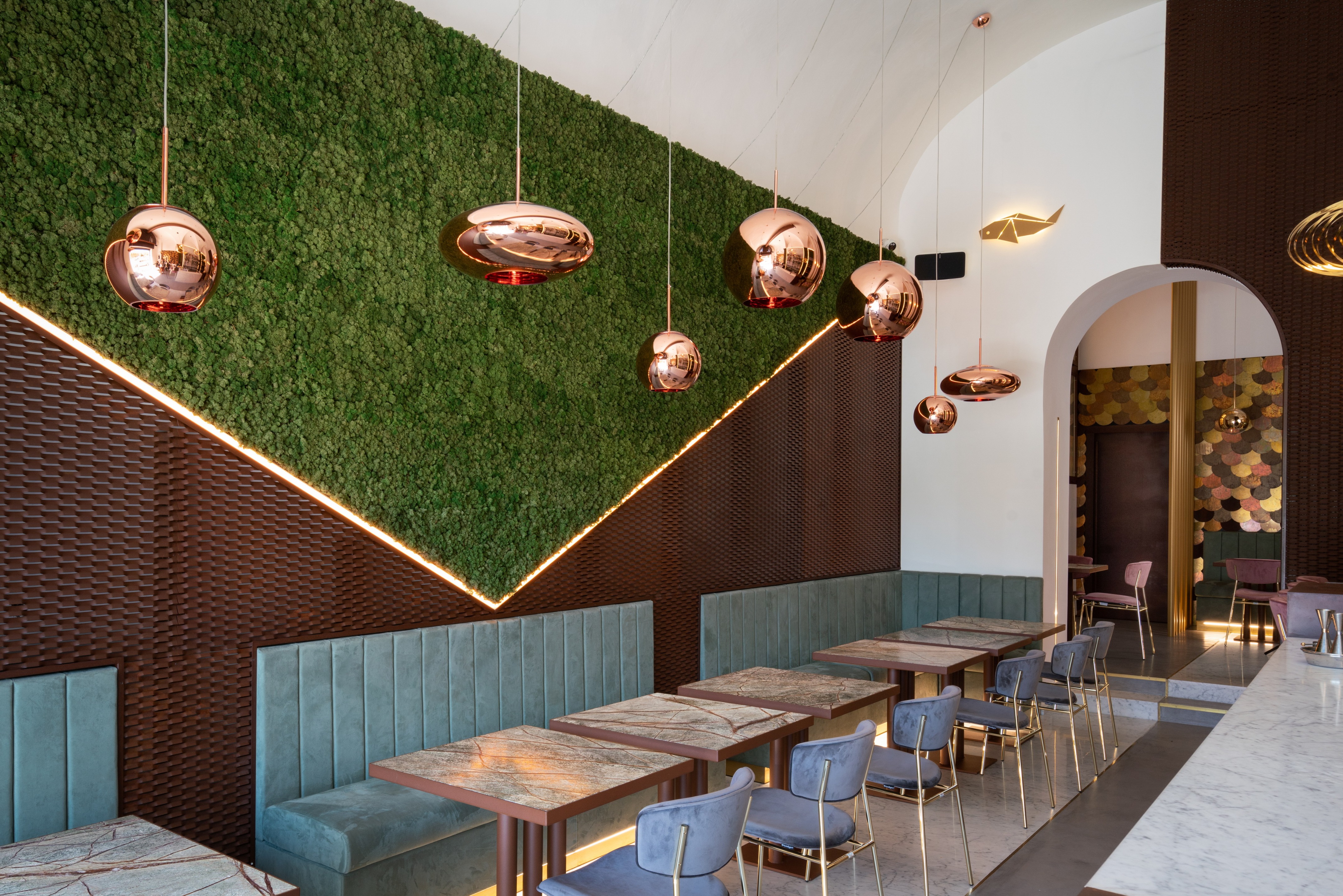
Our factory provided a comprehensive custom furniture solution for Crudo Sushibar, furnishing the marble-clad bar area, the open-kitchen dining zone, the semi-private booth section, and the scenic corridor. Our key deliverables included marble dining tables, velvet seating, brass trim accents, and bespoke bottle display cabinets. By seamlessly blending the cast-iron architectural elements characteristic of historic Italian buildings with a modern Japanese aesthetic, we successfully created a visually striking and immersive sensory space on Via San Mamolo in Bologna.
The core challenge inherent in this project’s context lay in balancing the preservation of historical architectural heritage with the structural stability issues arising from the high-frequency interaction of diverse materials. The client’s primary concerns stemmed from the project’s location within a historic building; the renovation had to be executed while strictly preserving the original cast-iron vaults and columns, meaning the spatial dimensions were rigidly constrained by the building’s original blueprint. Furthermore, the design scheme involved a complex layering of highly diverse materials—including resin, brass, marble, Corten weathering steel, and vertical living walls—where the differing thermal expansion coefficients of these disparate substances posed a significant risk of cracking at their interface points. Additionally, as a high-end sushi bar, the venue demanded an exceptional tactile experience; the owner was concerned that the inherent coldness of large-format stone surfaces, combined with the potential for velvet fabrics to appear lackluster under complex lighting conditions, might fail to meet their exacting standards.
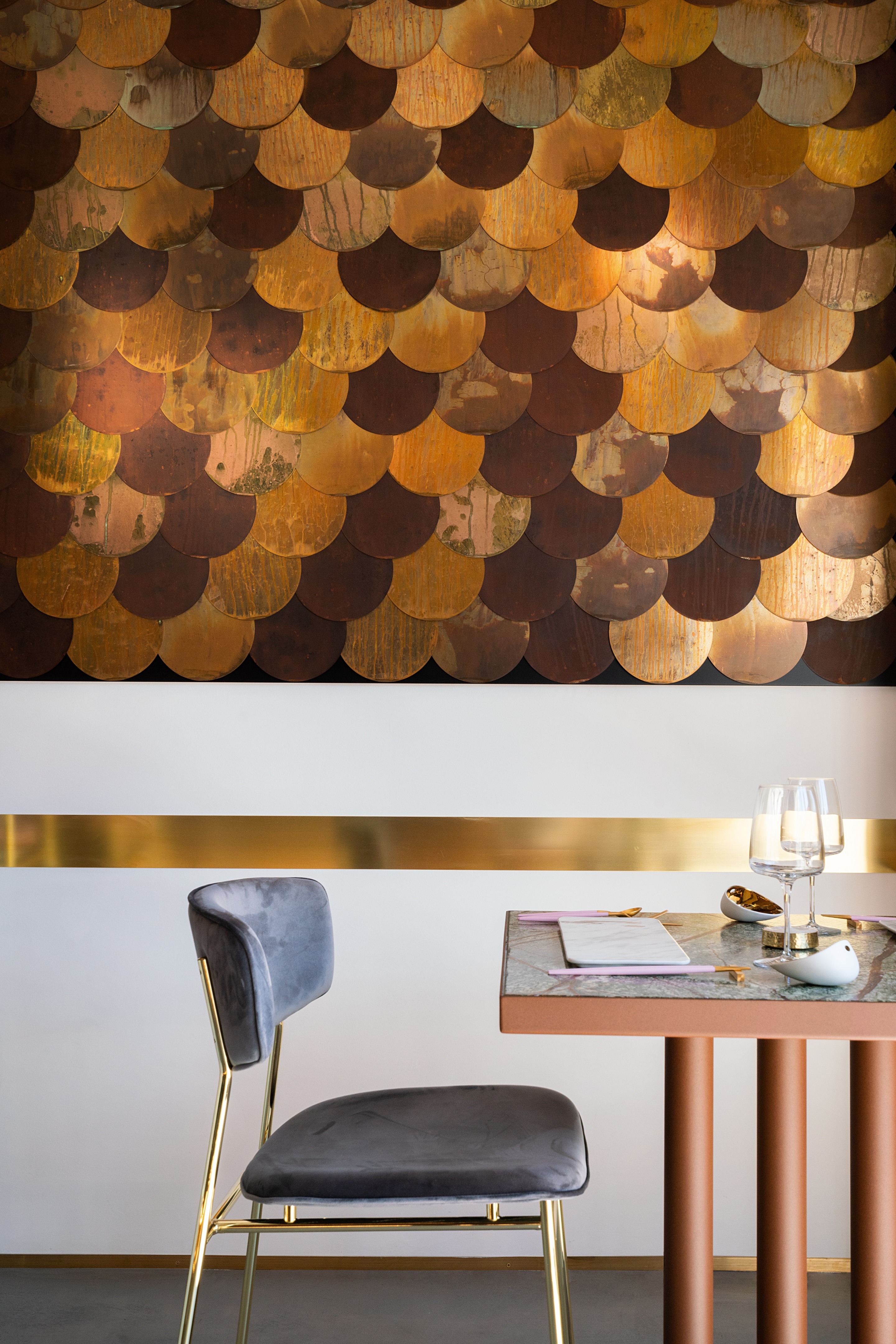
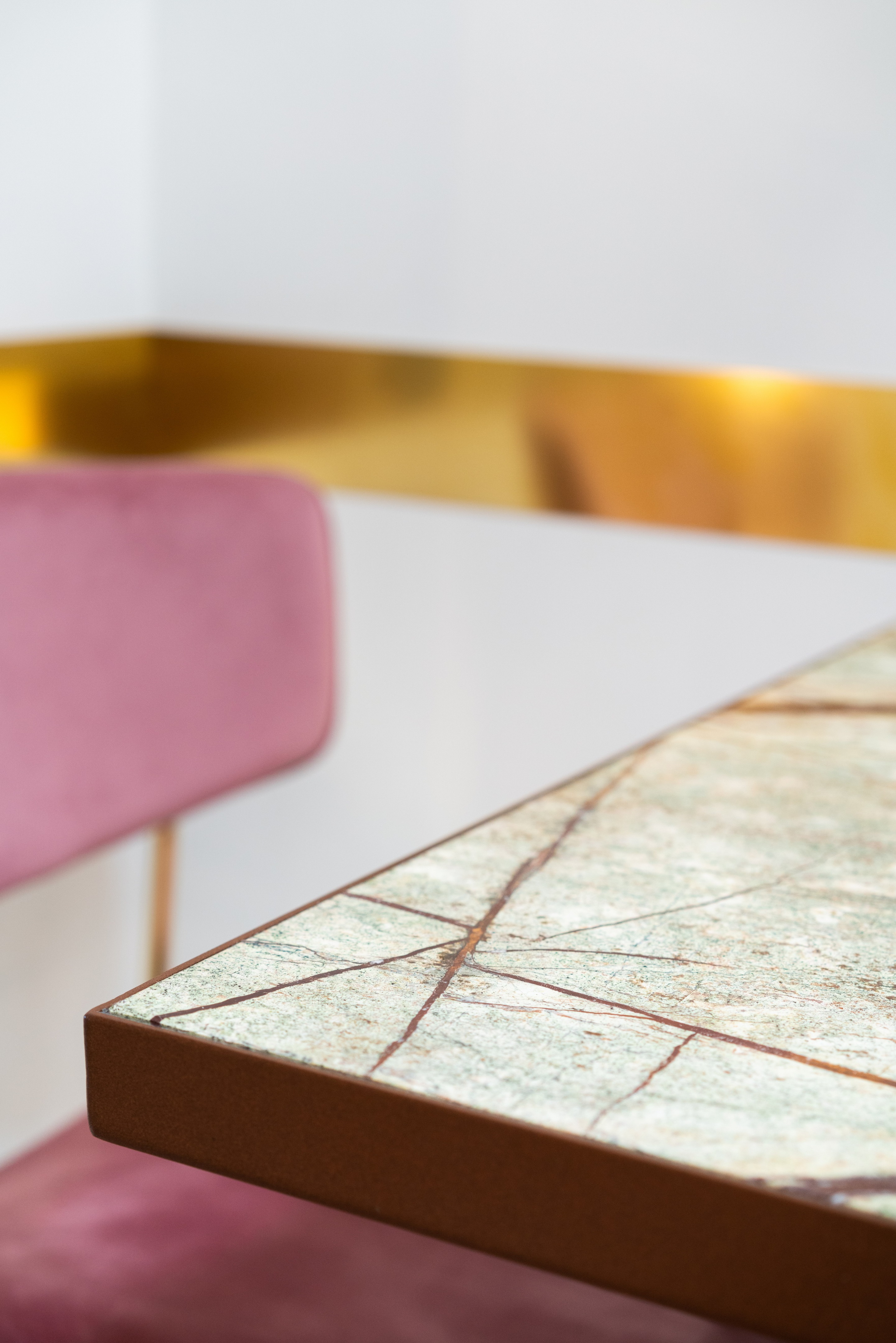
To address these challenges, our factory implemented a strategy centered on flexible multi-material interfacing and thermally optimized surface treatments. To resolve the complexities of layering dissimilar materials, we developed a proprietary hidden flexible sealing structure; by embedding a buffer layer at the junctions of brass, marble, and resin, we effectively prevented material deformation caused by temperature fluctuations. Regarding tactile optimization, we subjected the forest-green marble tabletops to a multi-stage manual sanding and thermal-wax sealing process; this ensured that while the natural texture of the stone was preserved, the surface remained warm and pleasant to the touch rather than feeling cold. To ensure optimal color fidelity and visual impact, we employed spectral simulation testing to guarantee that the pink and green velvet fabrics would exhibit a rich, multi-layered luster under the golden glow of the Tom Dixon lighting fixtures; additionally, all fabric components underwent a high-grade stain-resistant and anti-soiling treatment. The final outcome of the project demonstrates that the custom-crafted furniture engages in a perfect, timeless dialogue with the building’s original cast-iron architecture, while the diverse array of luxury materials—unified by precision craftsmanship—converges to create a harmonious visual rhythm.
Client Feedback: Through the efficient integration of complex materials, the factory not only precisely captured the artistic tension of the design but also, within the framework of a historic building, delivered a high-standard custom system capable of withstanding the dual tests of both physical durability and aesthetic excellence.