CO-OP Ramen Restaurant
Project Address:Canada
Customer Type:Interior Design
Project Type:Catering
Major Suppliers:Restaurant Furniture
Case description
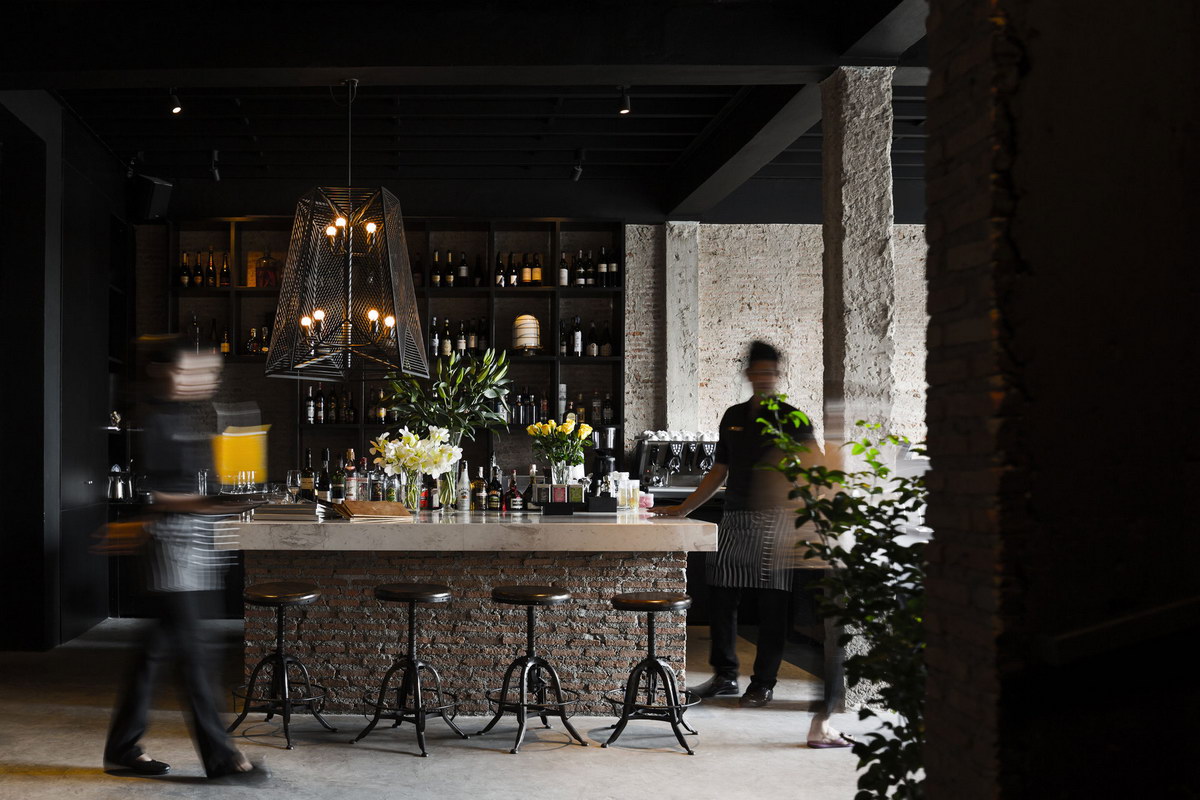
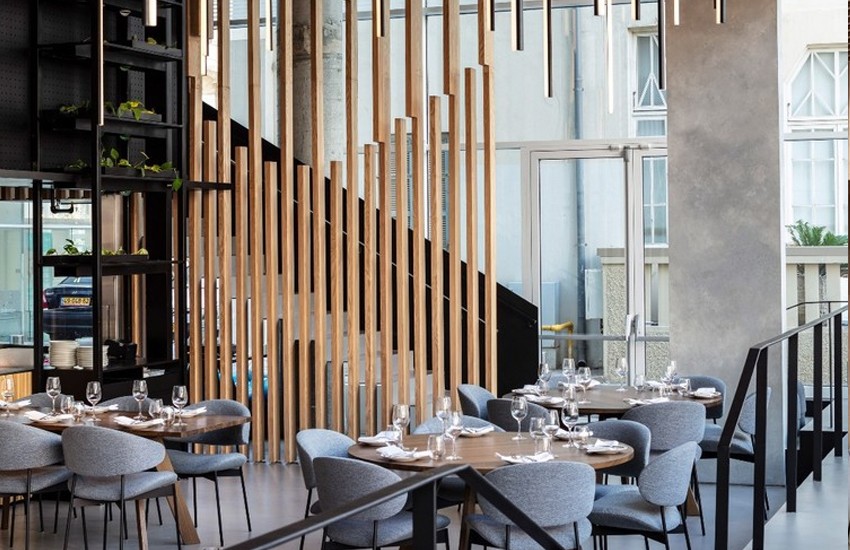
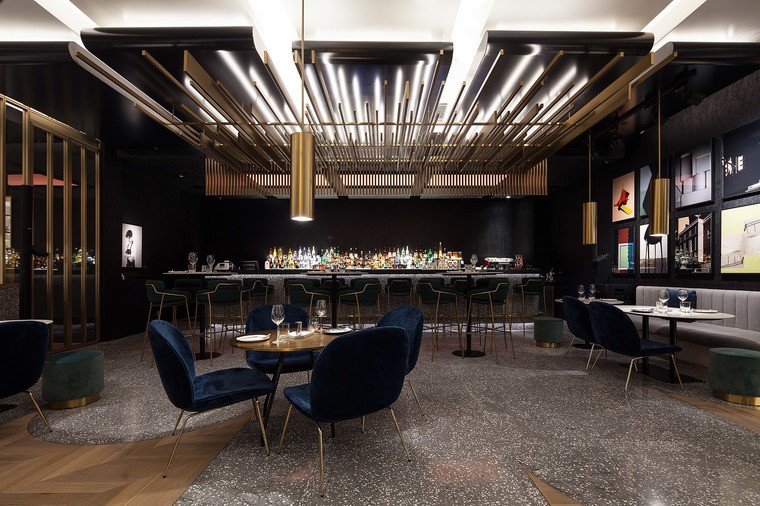
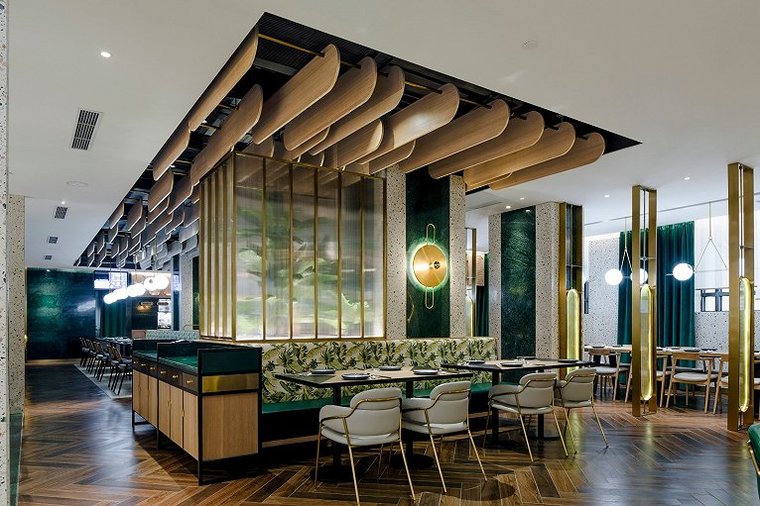
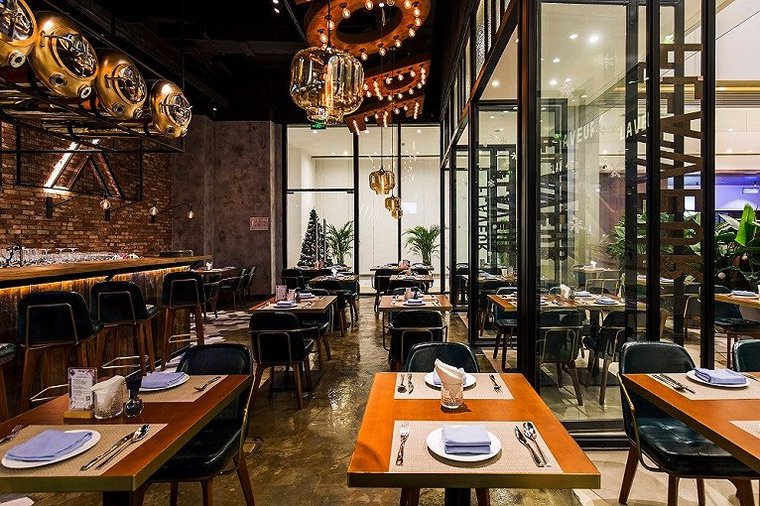
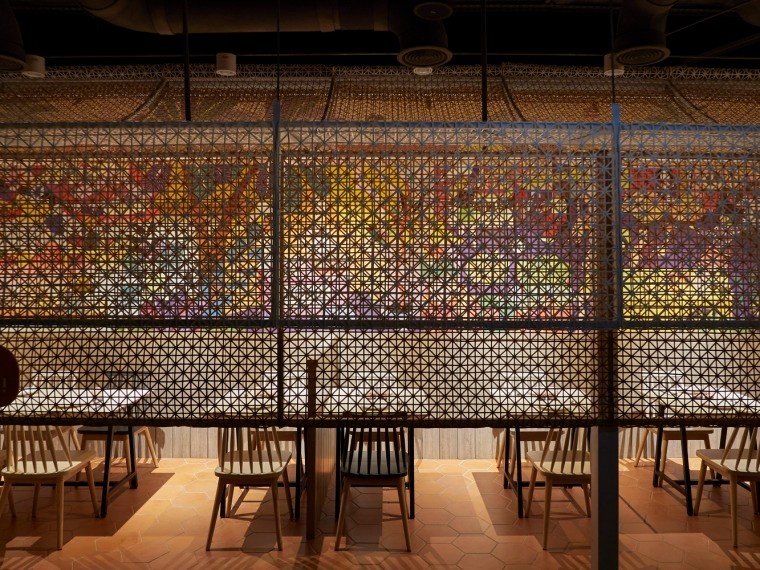
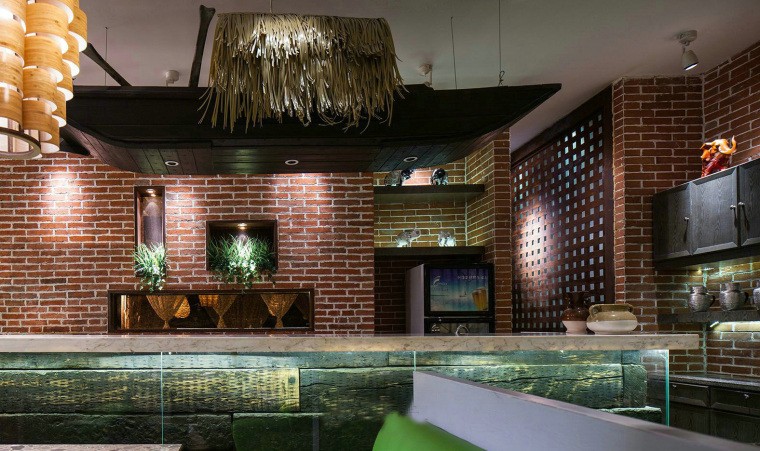
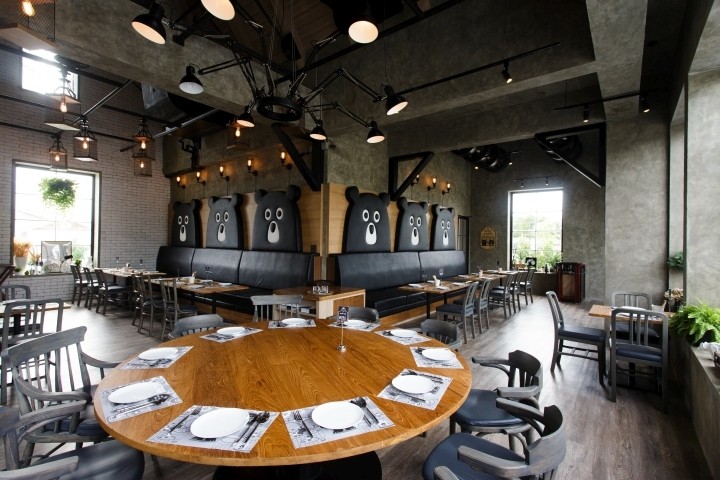
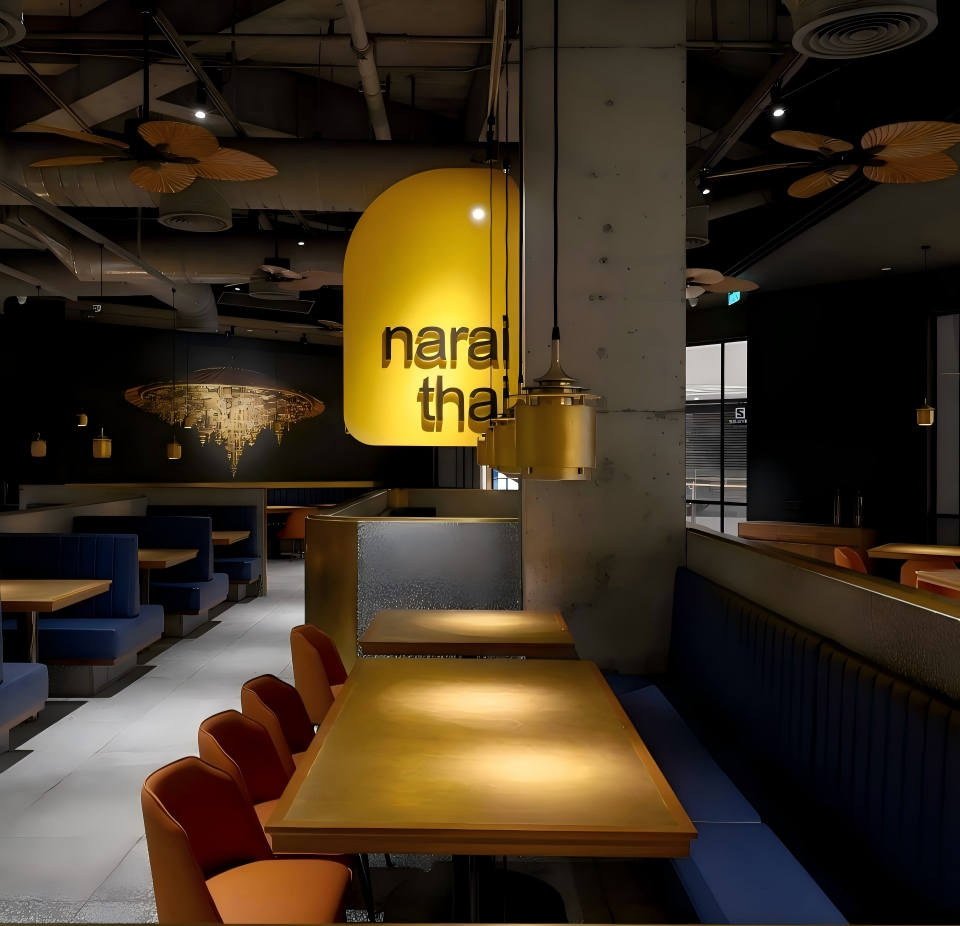
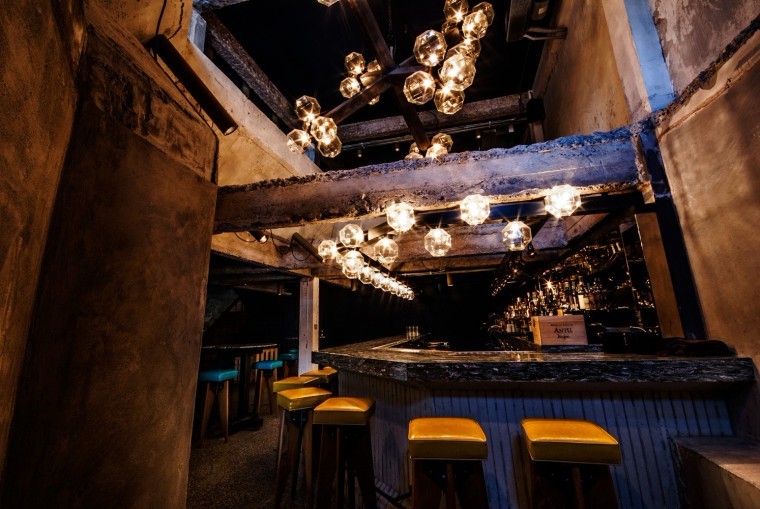
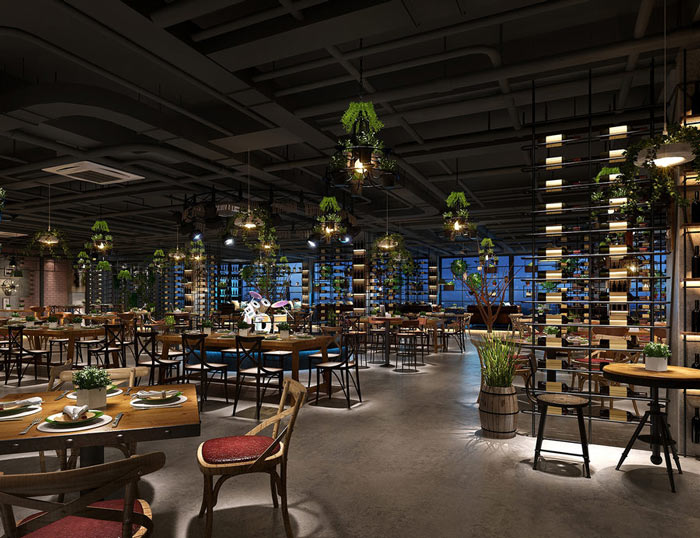
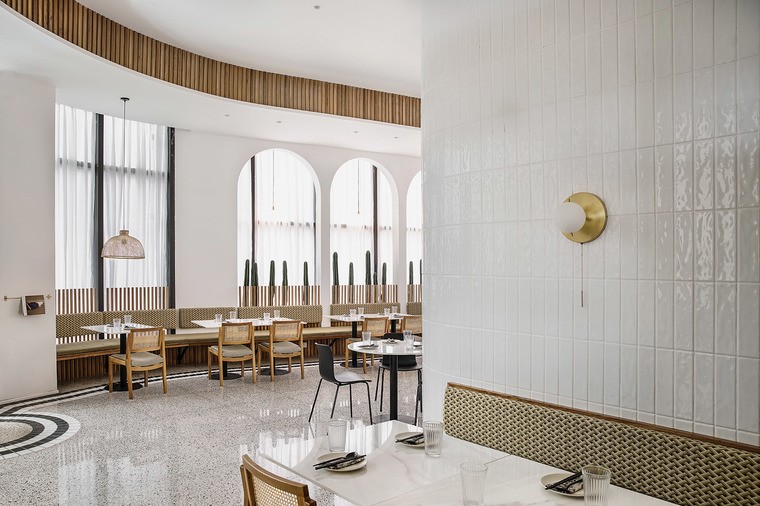
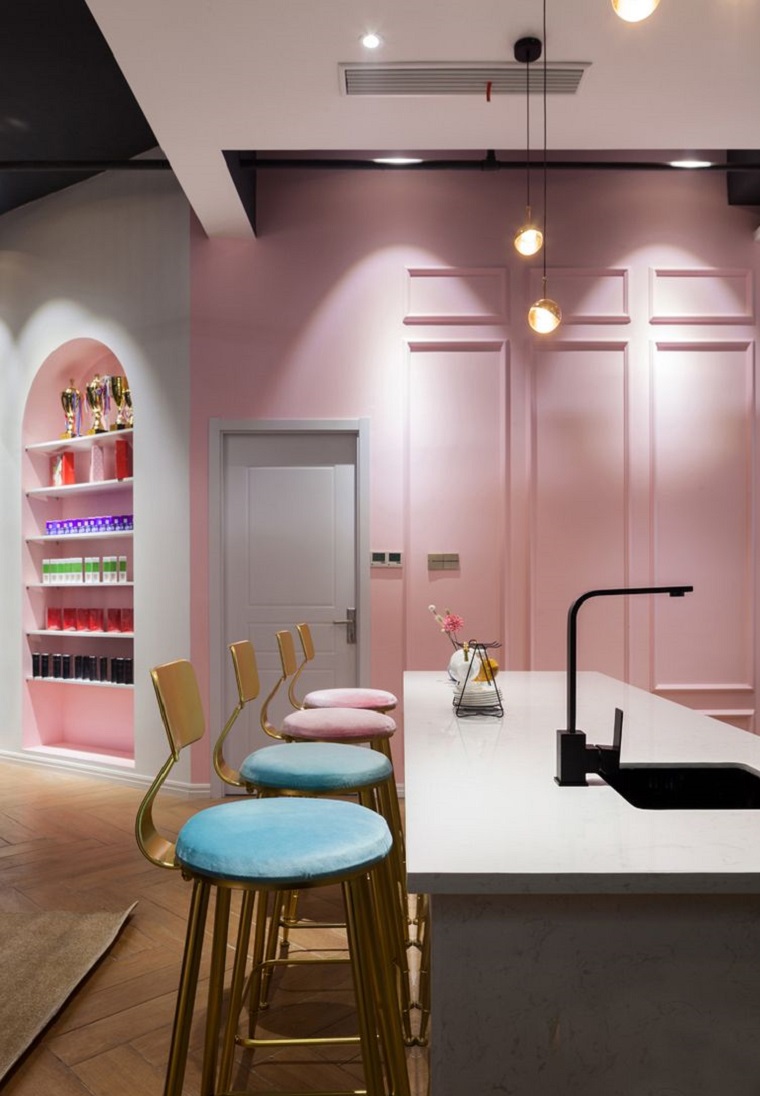
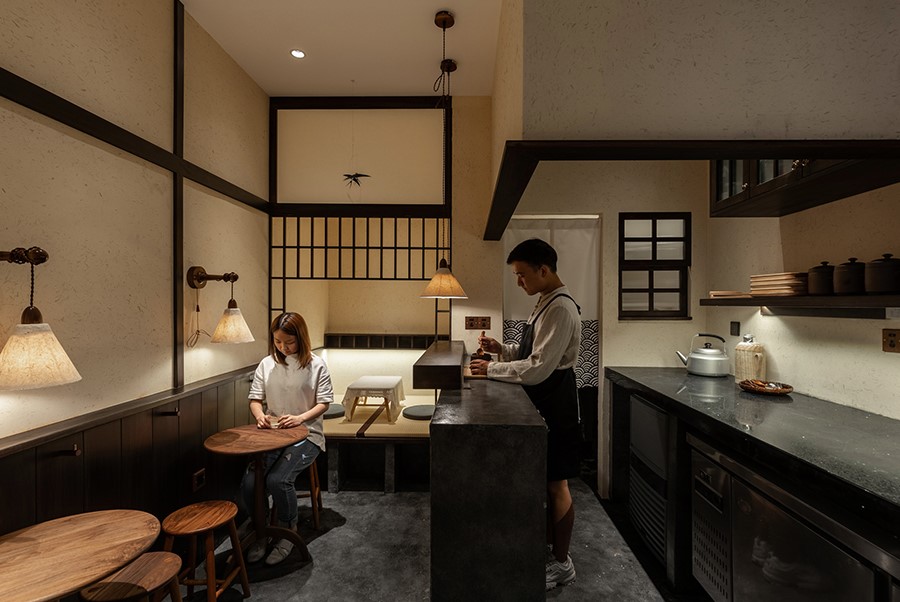
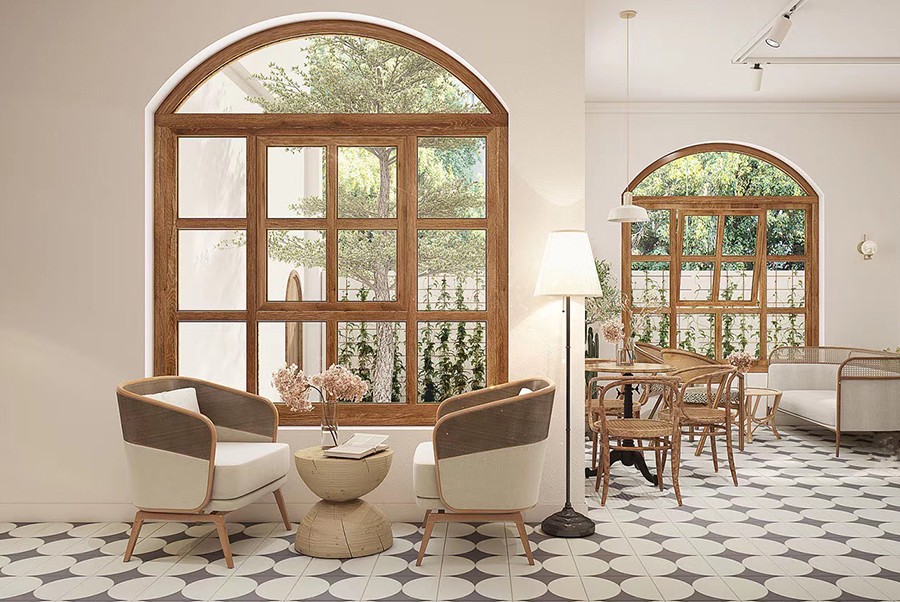
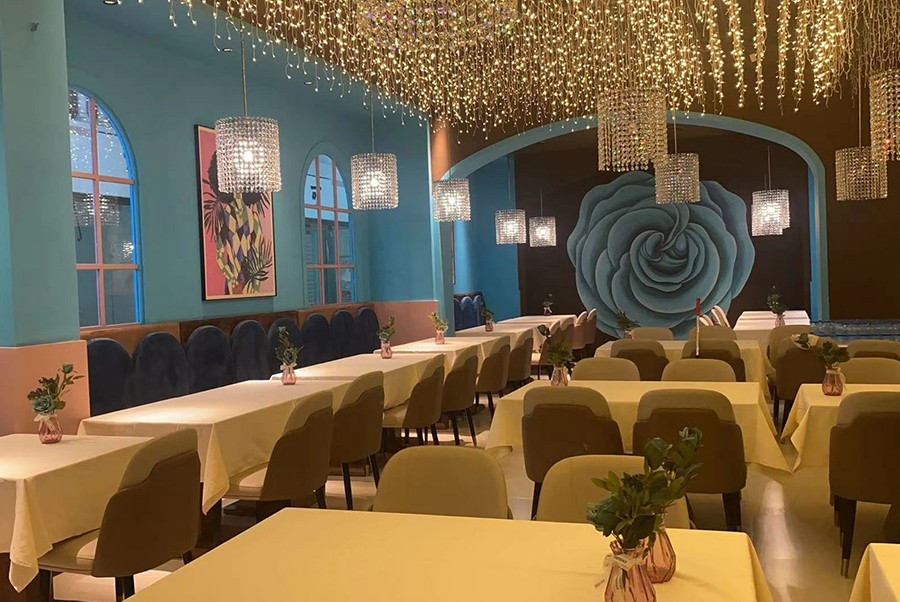
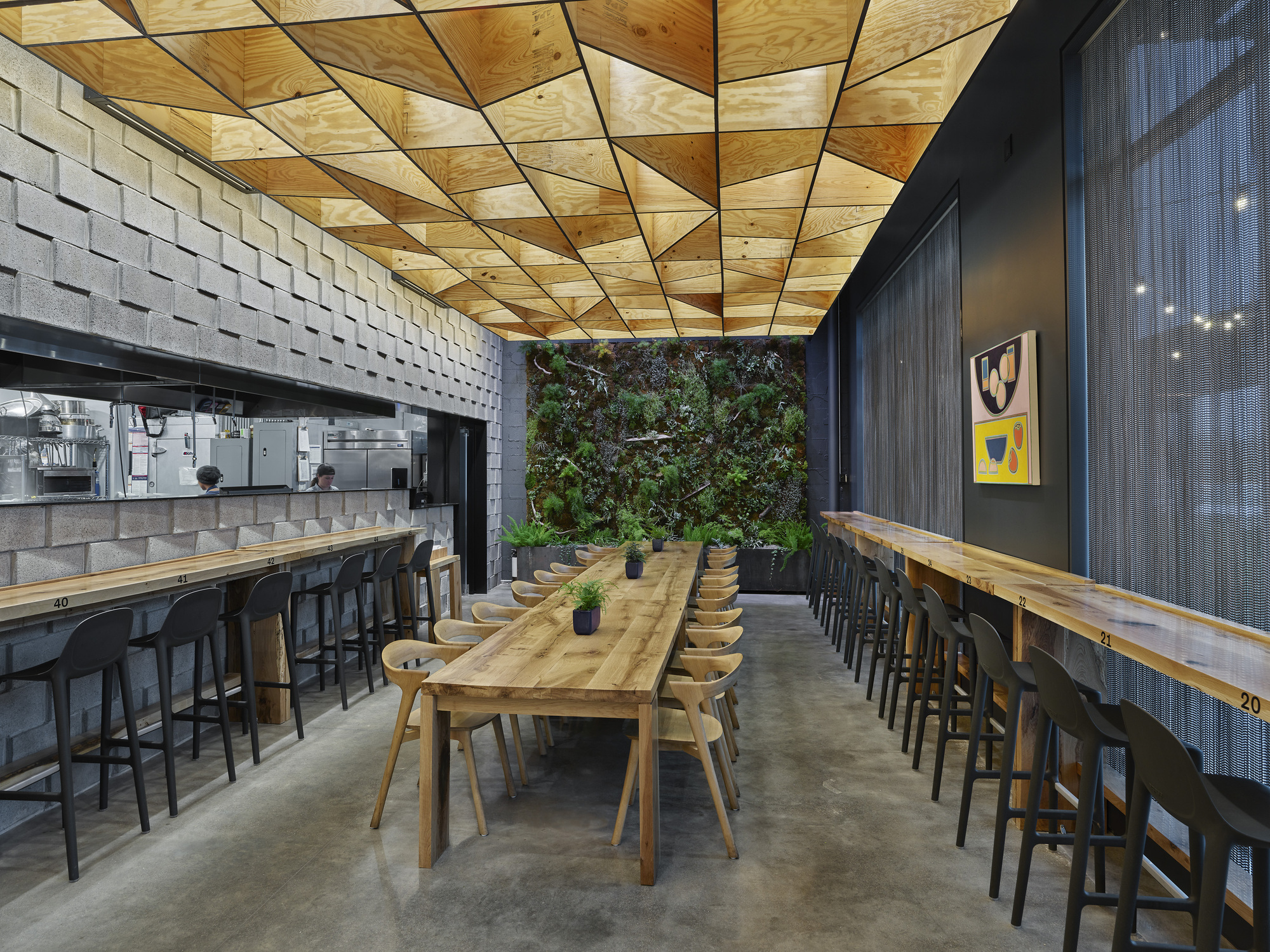
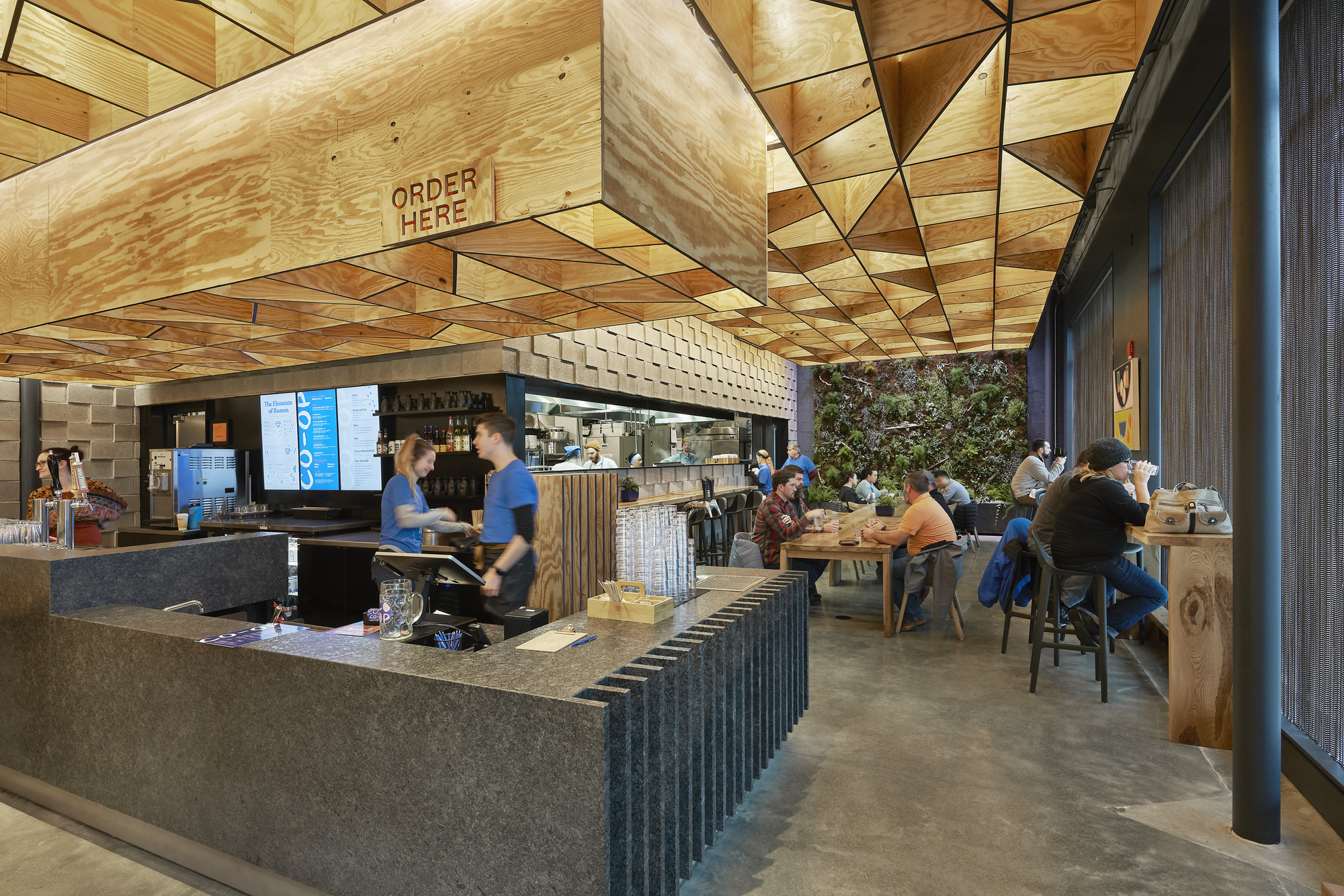
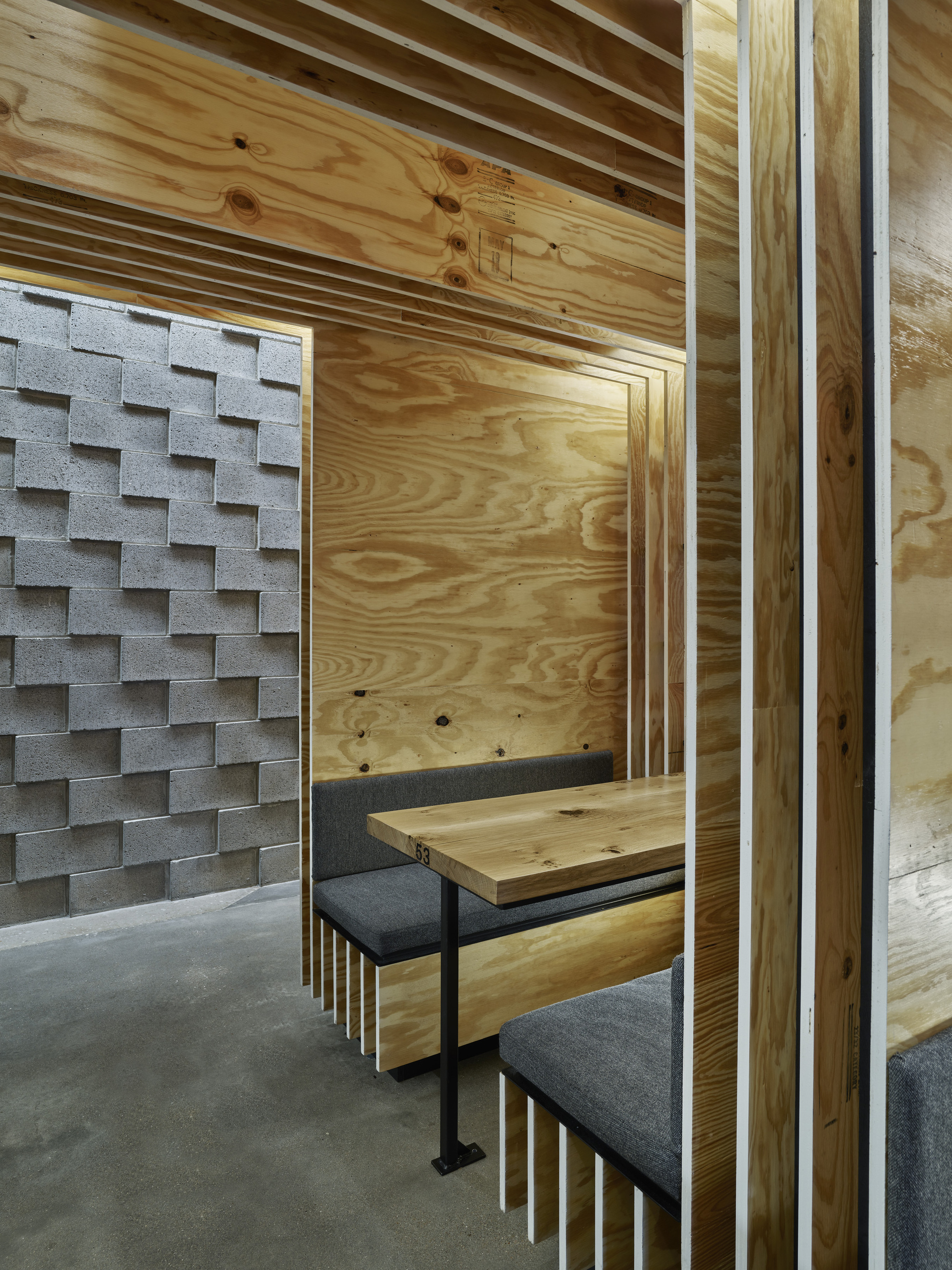
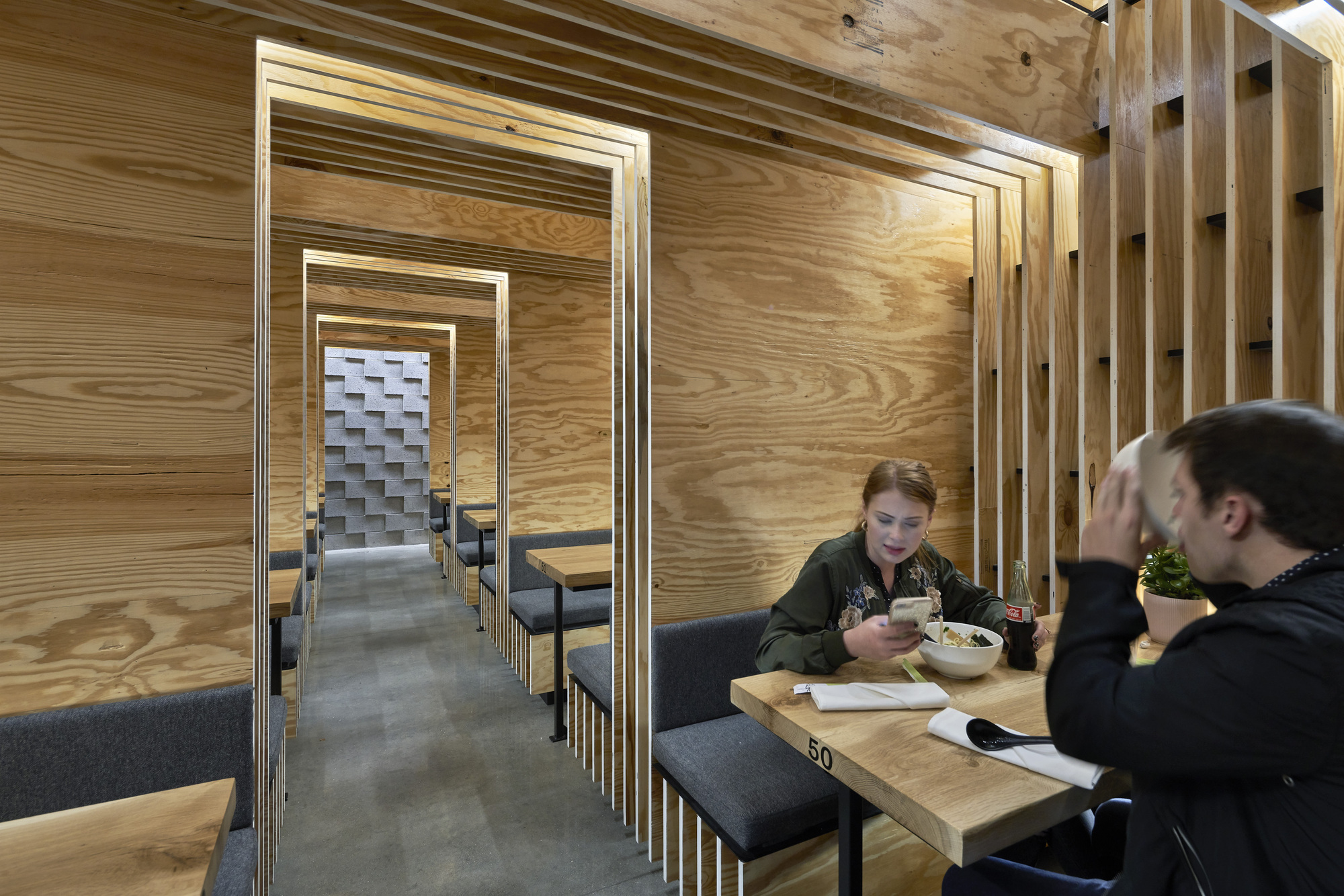
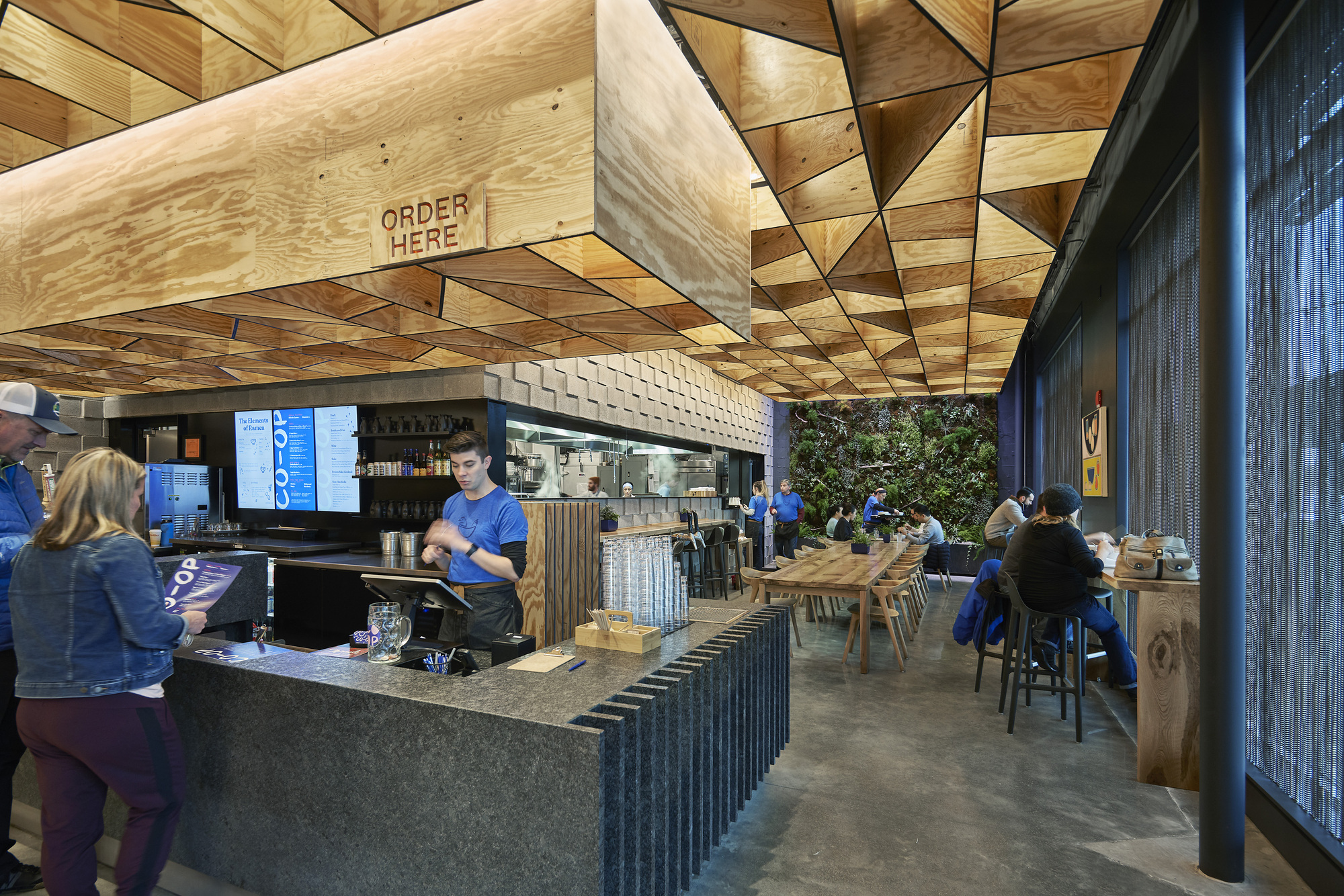
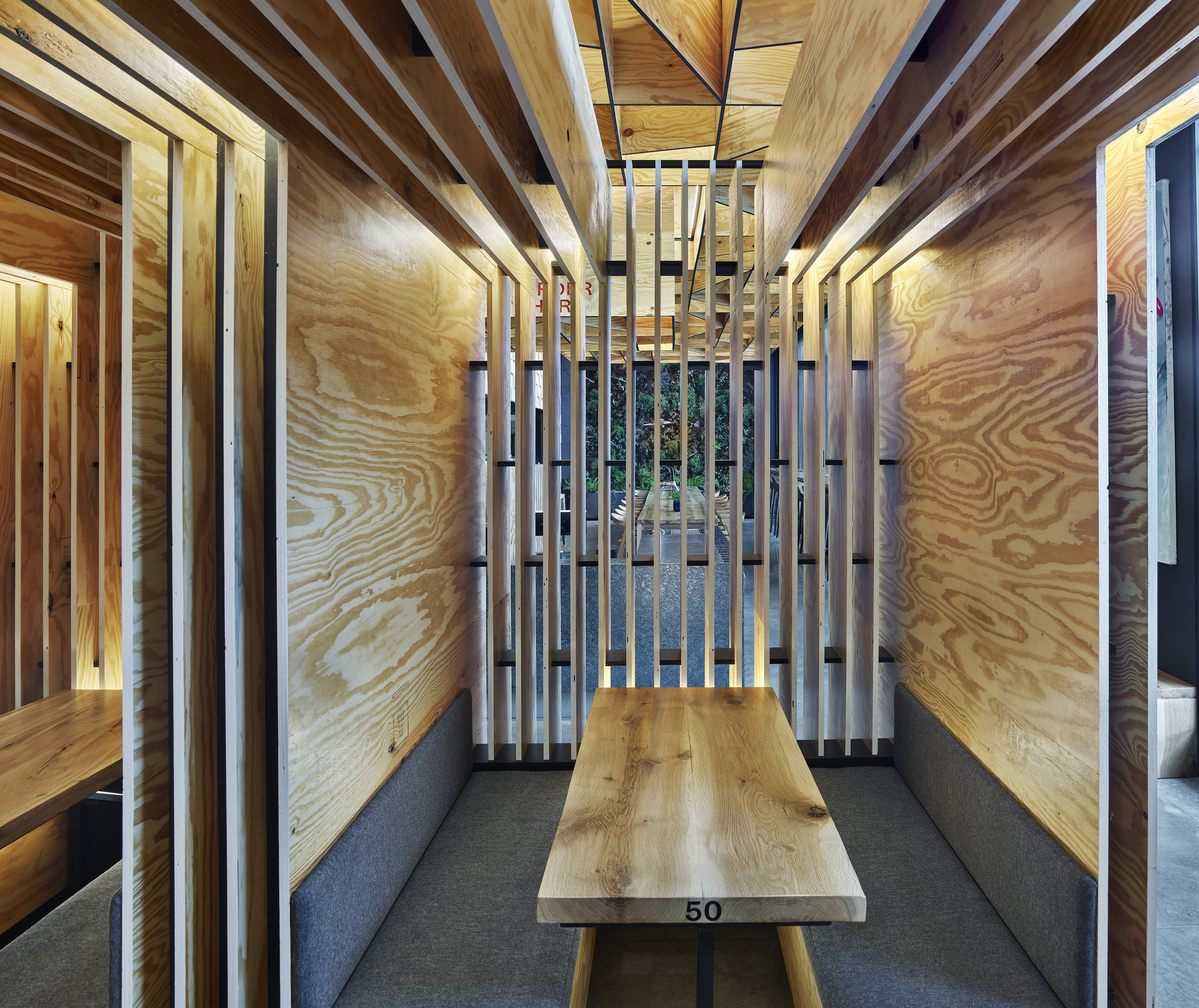
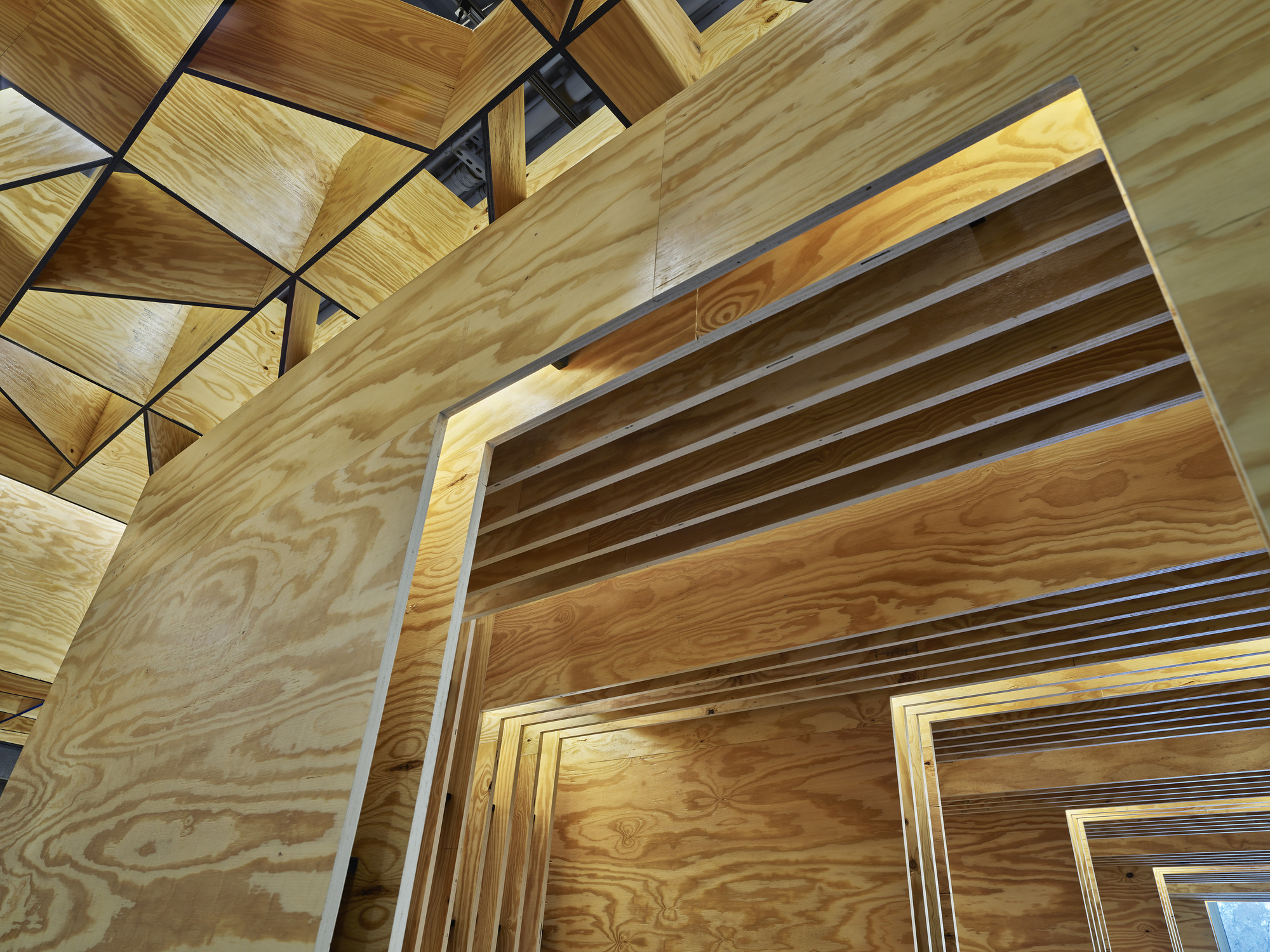
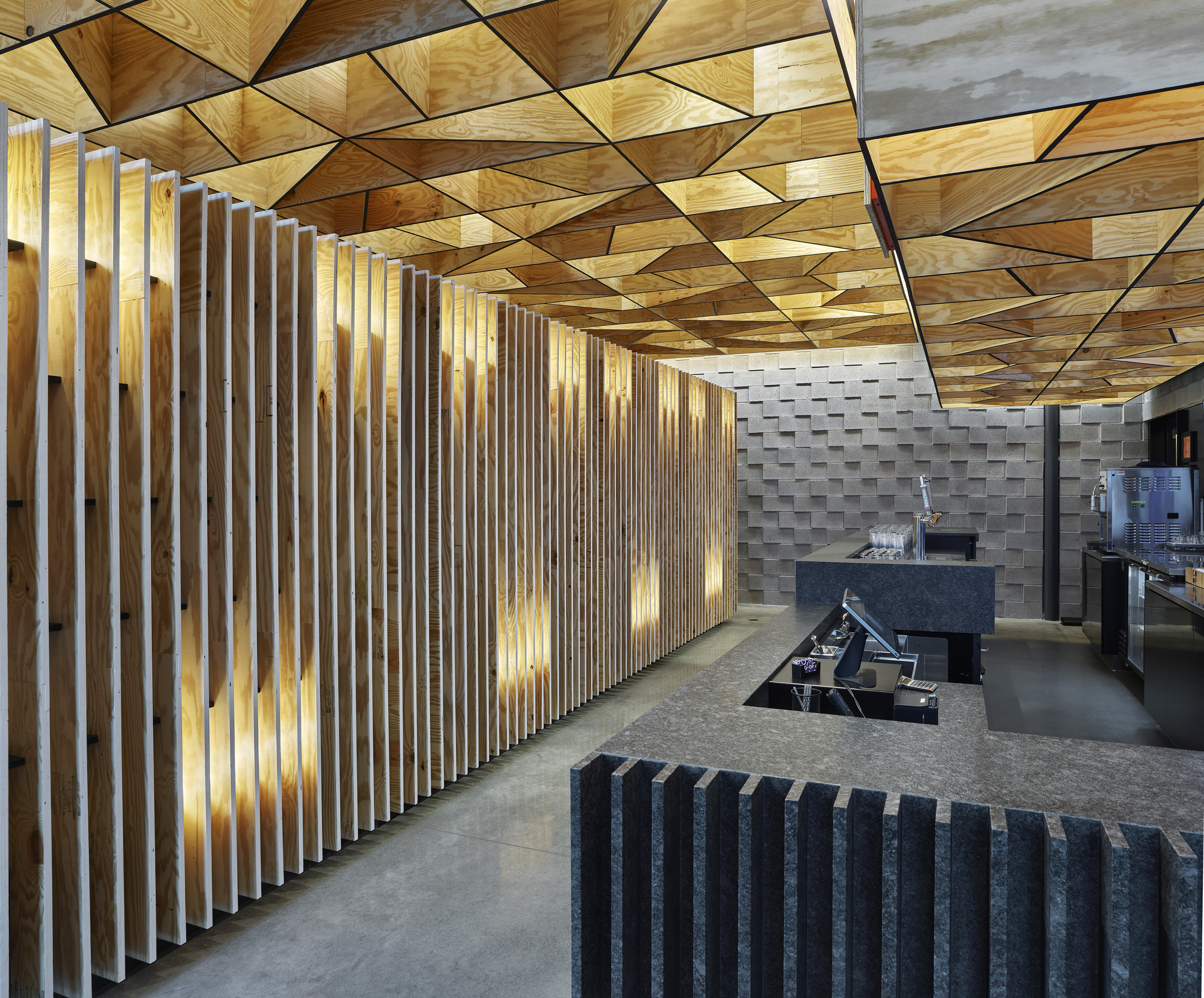
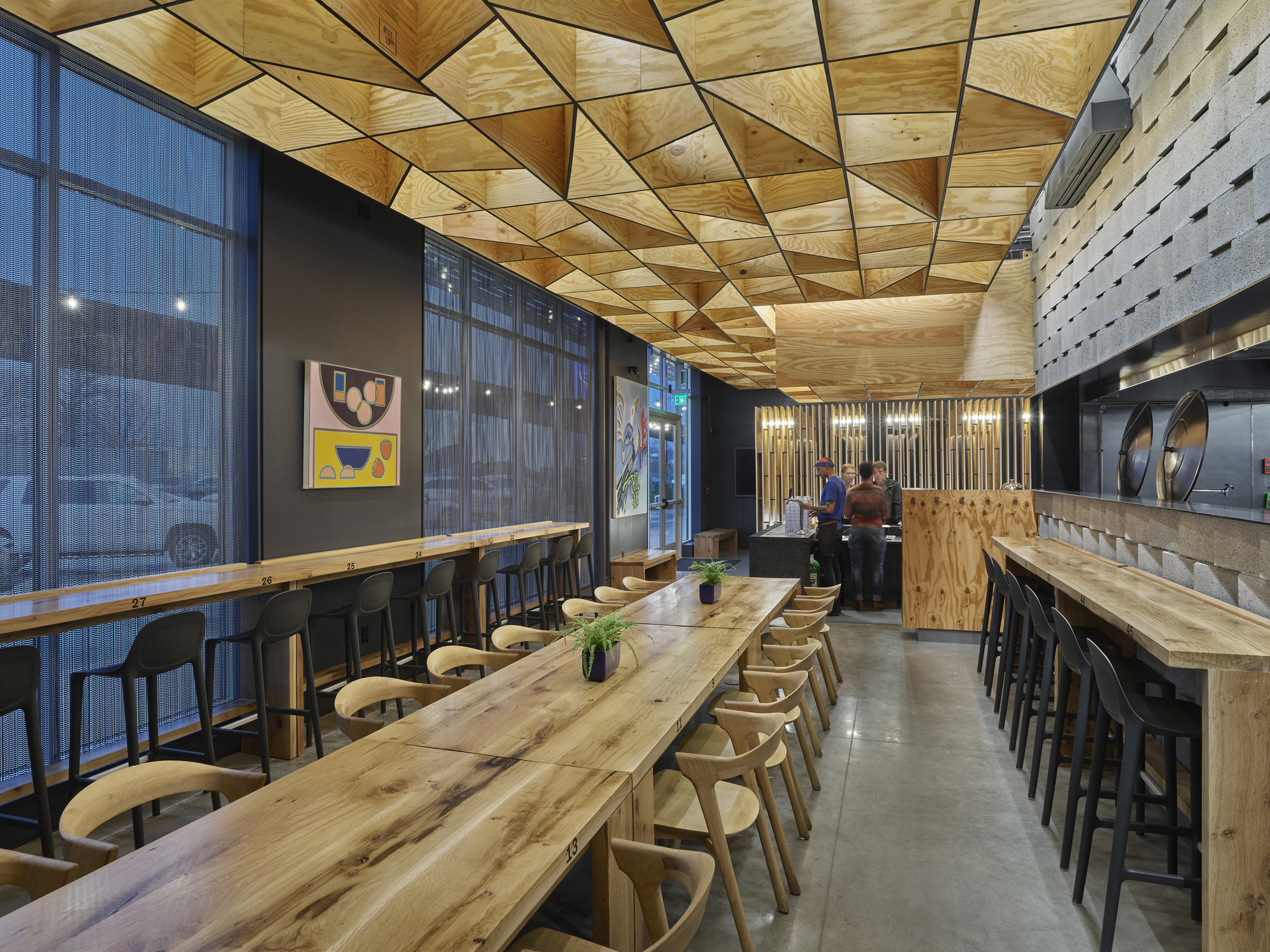
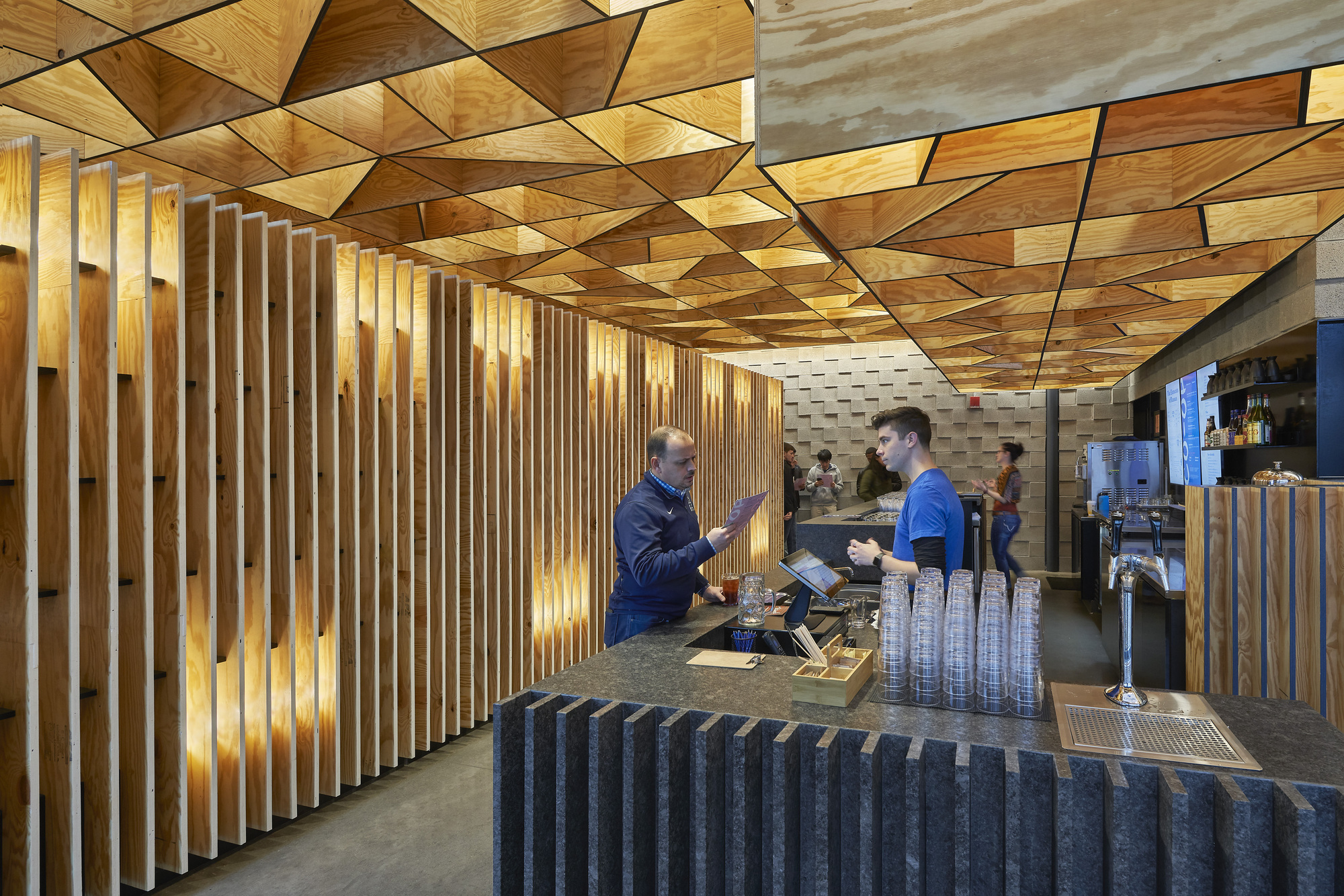
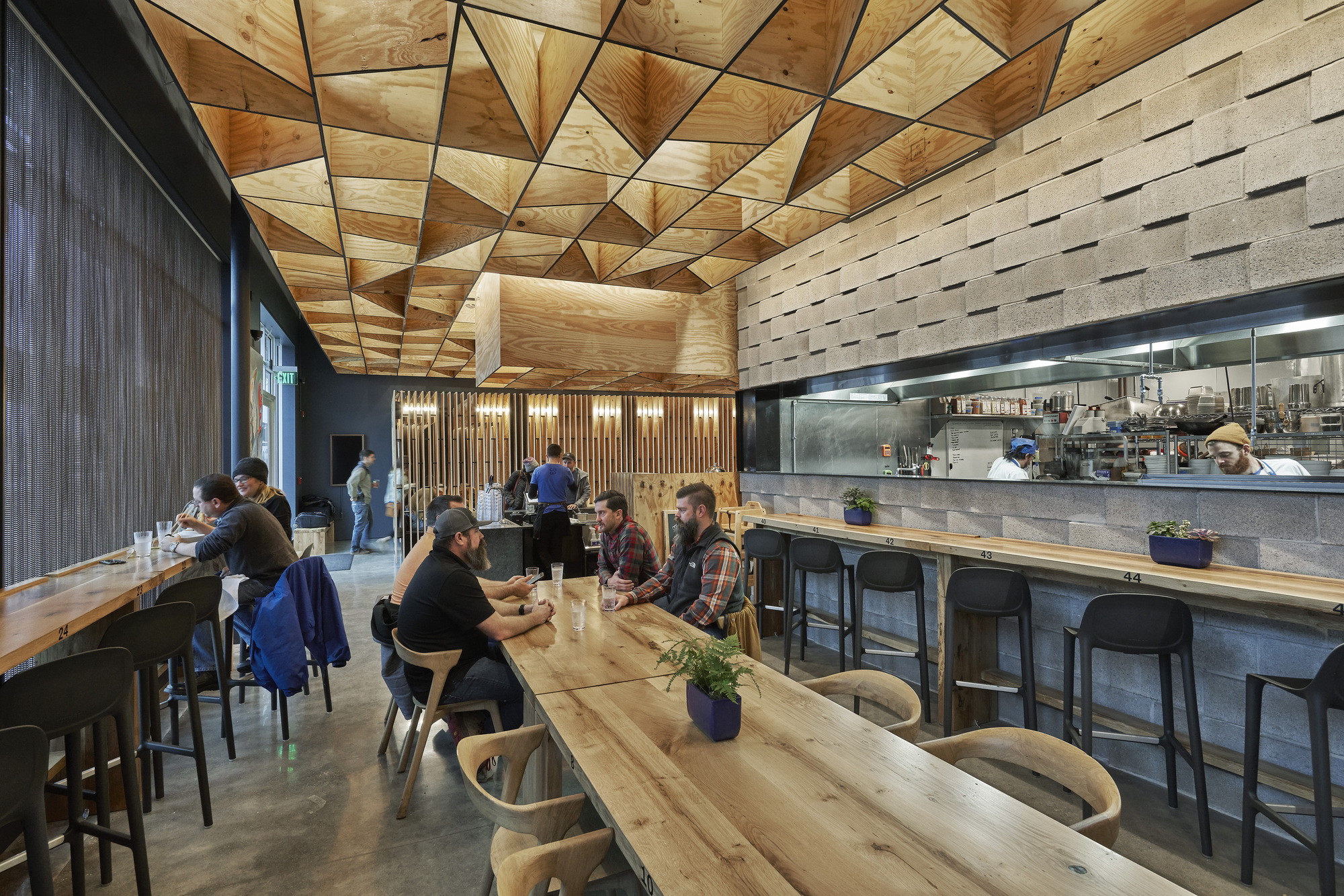
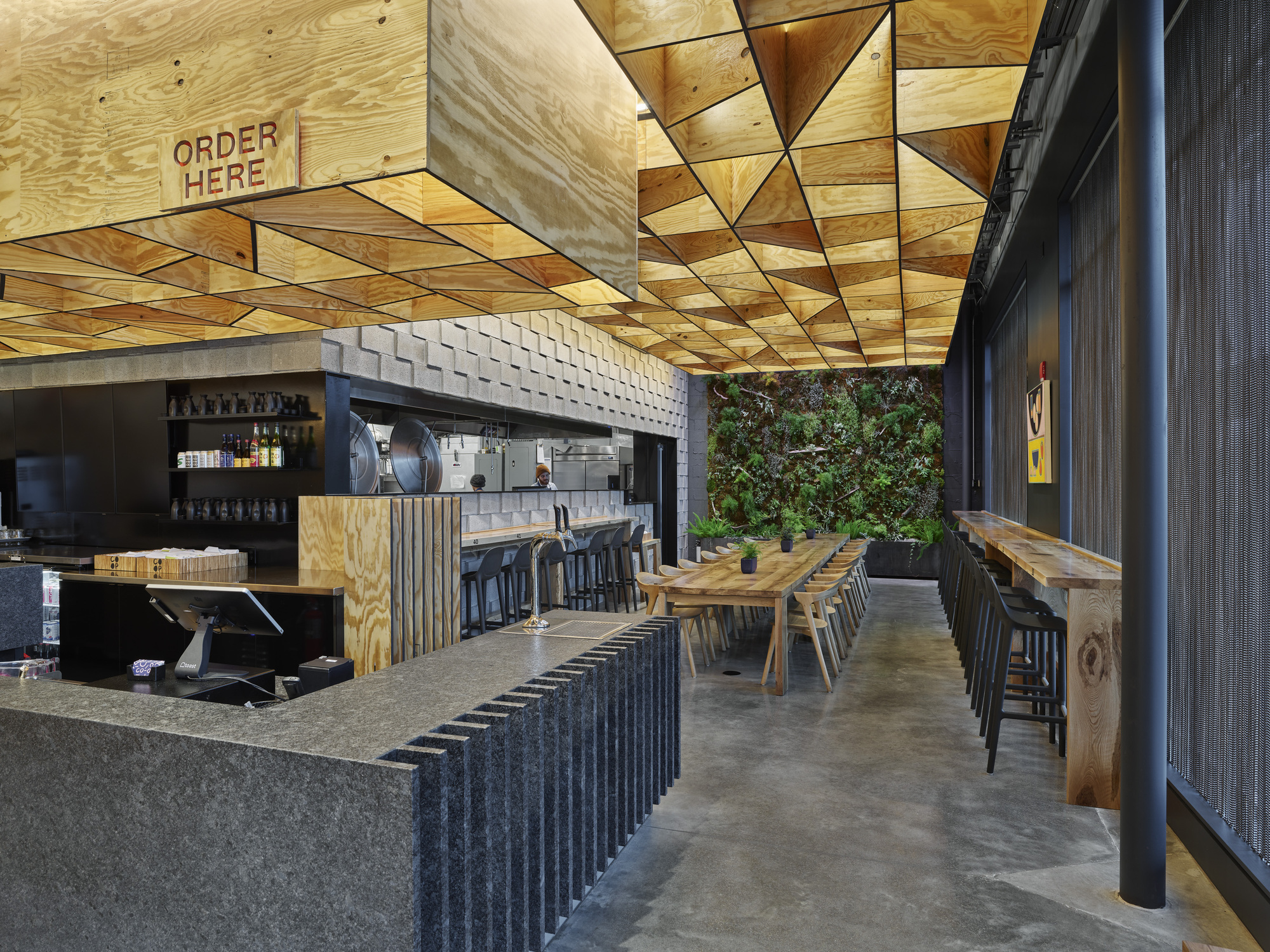
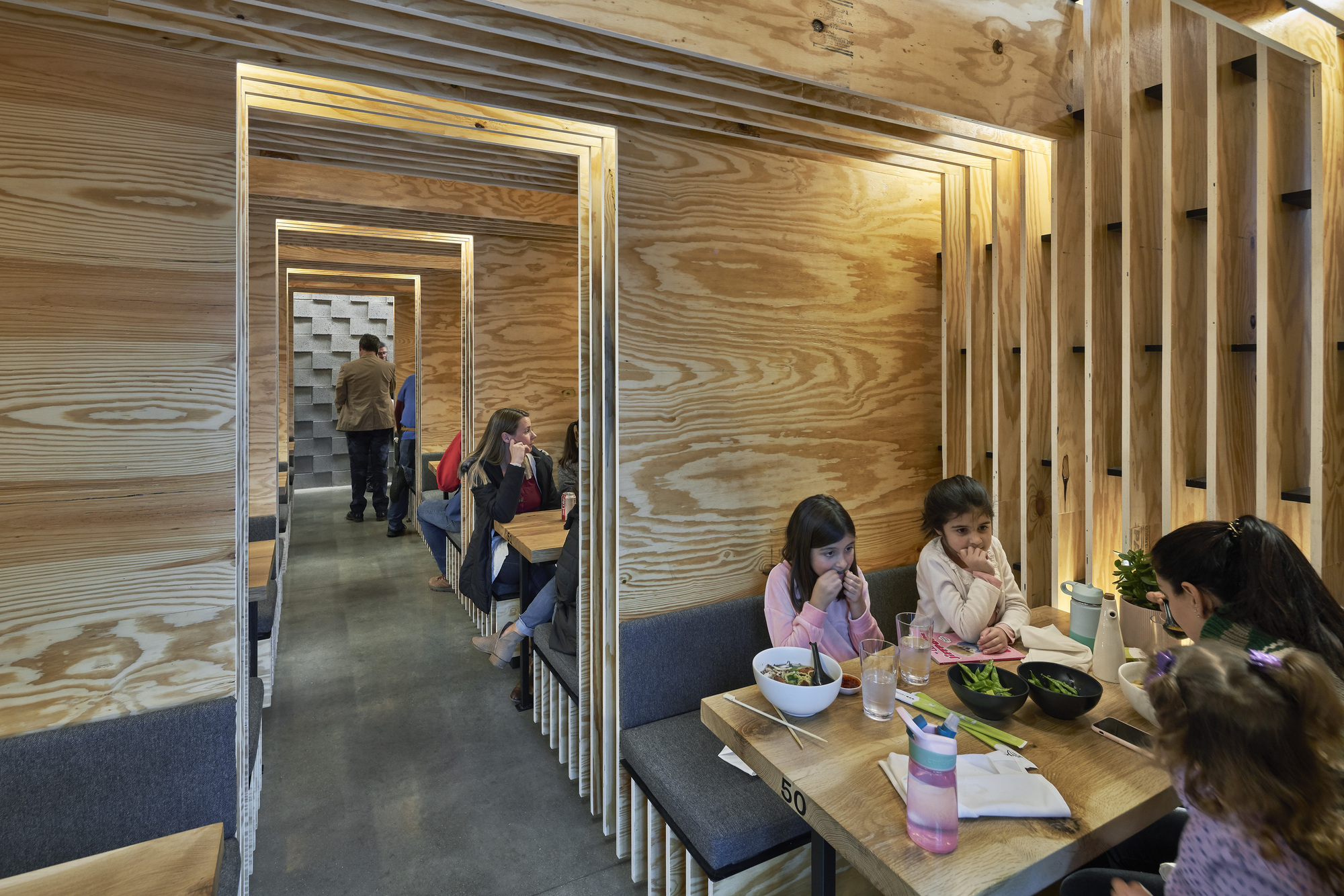
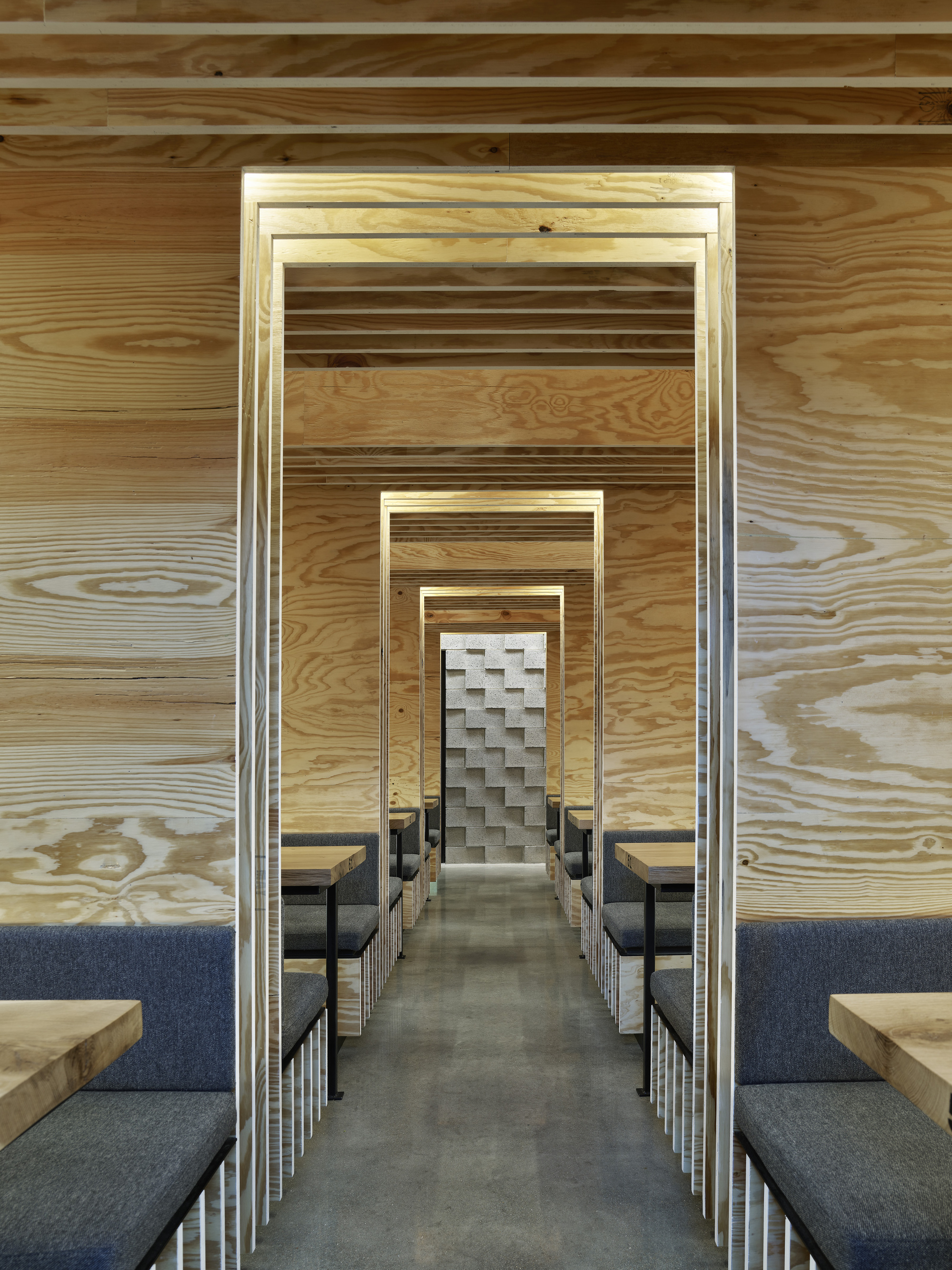
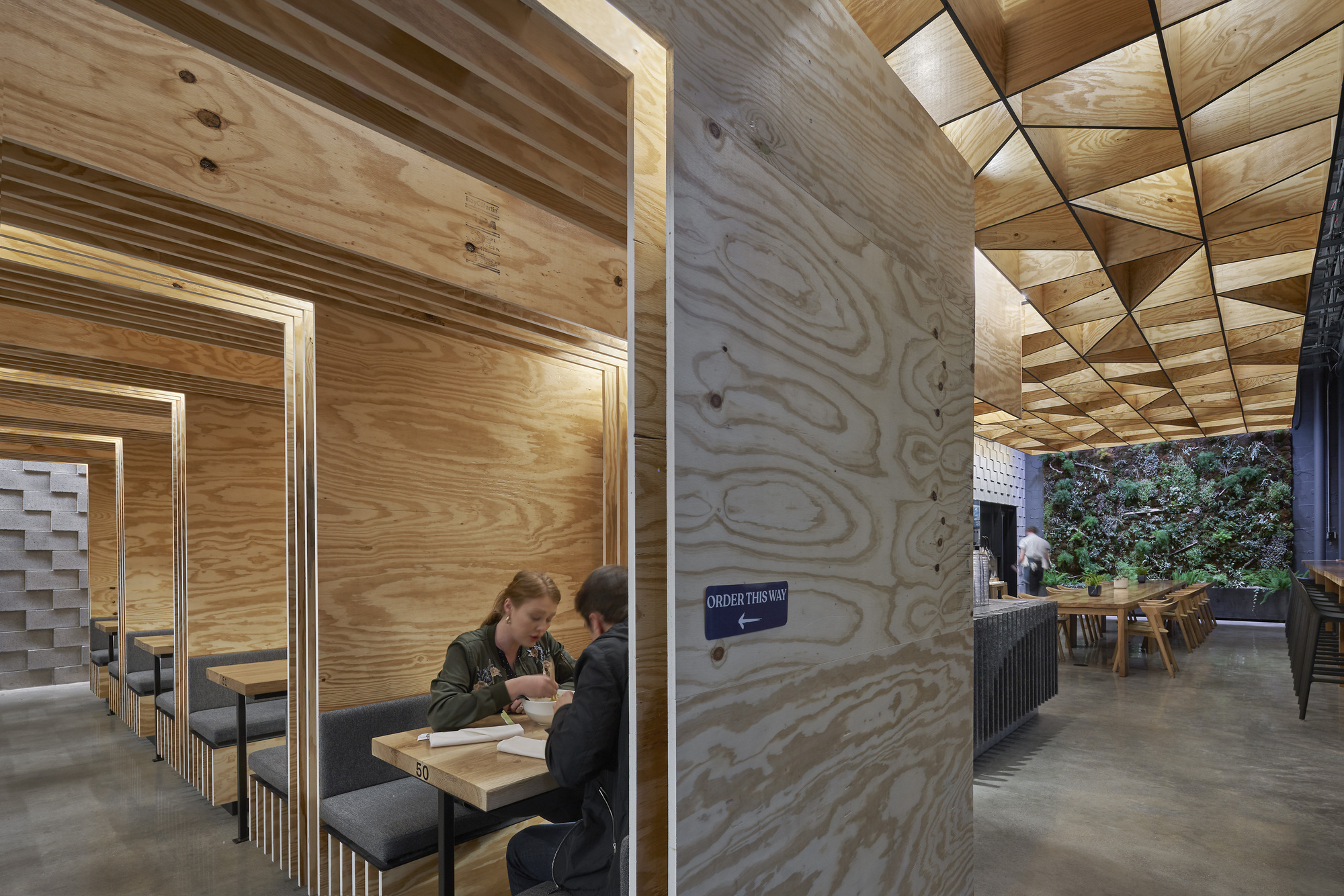
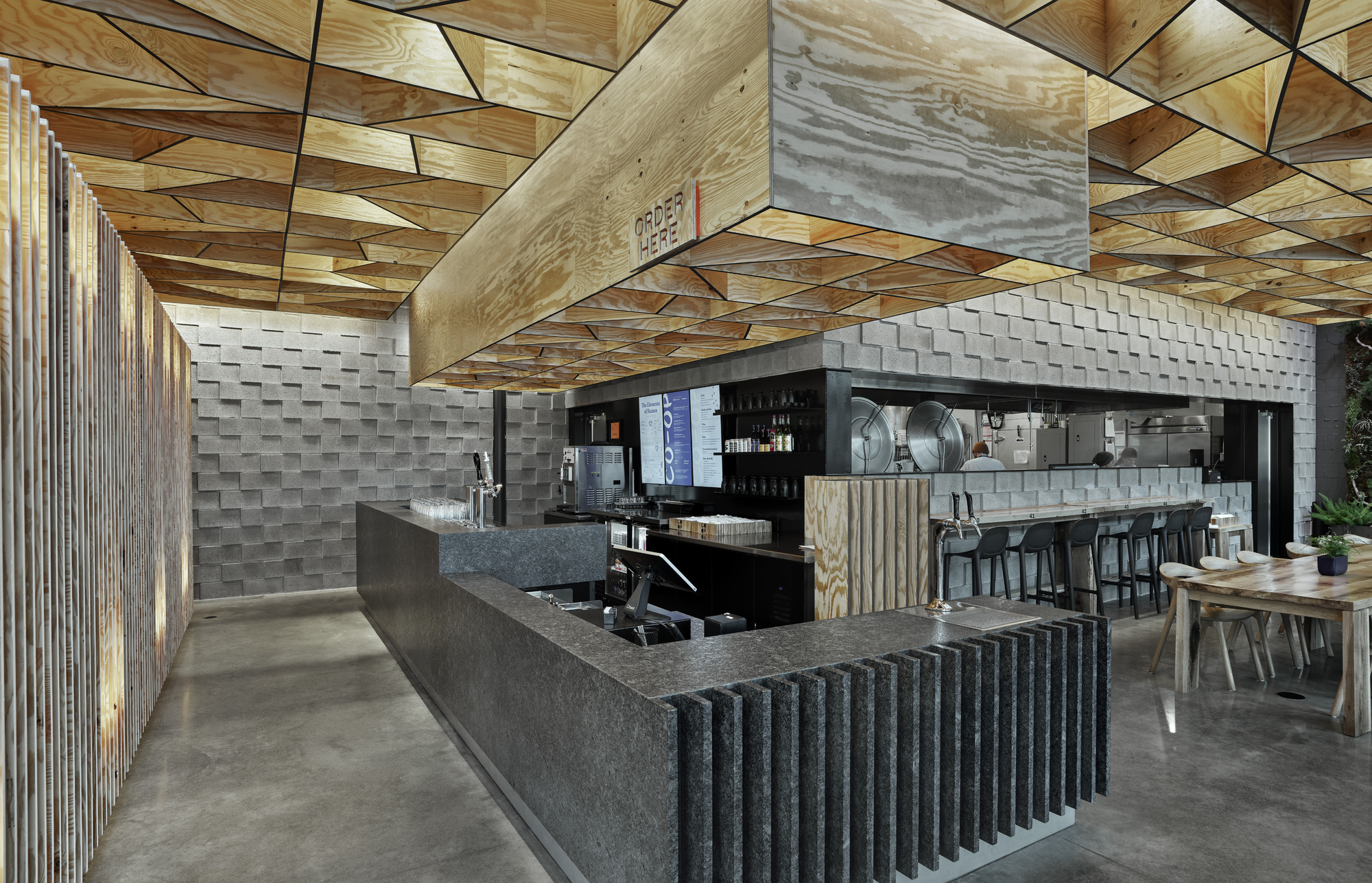
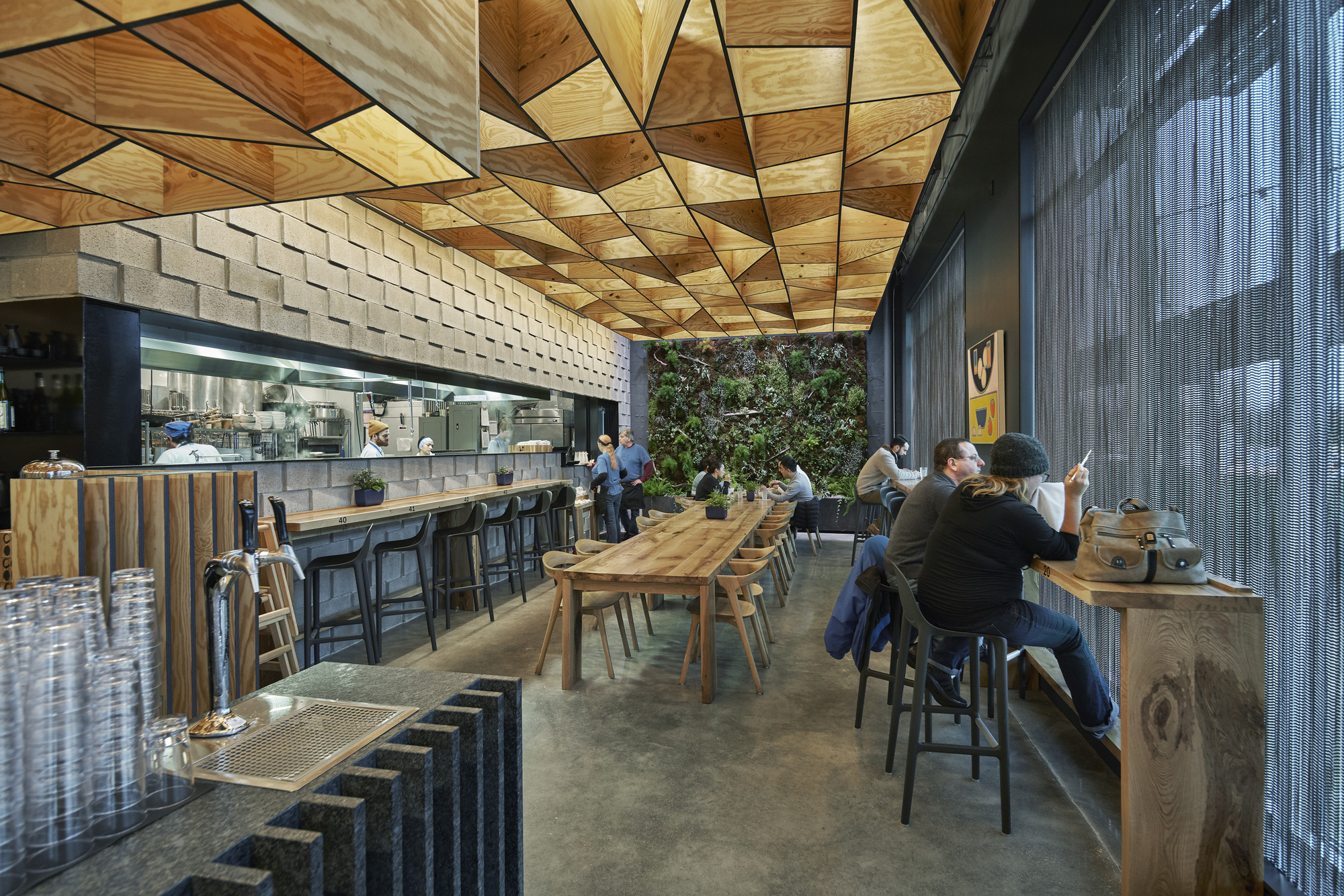
Our factory provided a comprehensive, custom furniture solution for the main dining area of CO-OP Ramen Restaurant. Through the systematic integration of geometric plywood components and industrial-style materials, we reimagined the space within a minimalist framework, creating a modern ramen environment characterized by a strong sense of visual rhythm and sequence. A core challenge inherent to the project’s context lay in the dual demands imposed by a high-turnover dining environment: the need to elevate the aesthetic appeal of cost-effective materials while simultaneously ensuring their long-term durability and resistance to wear.
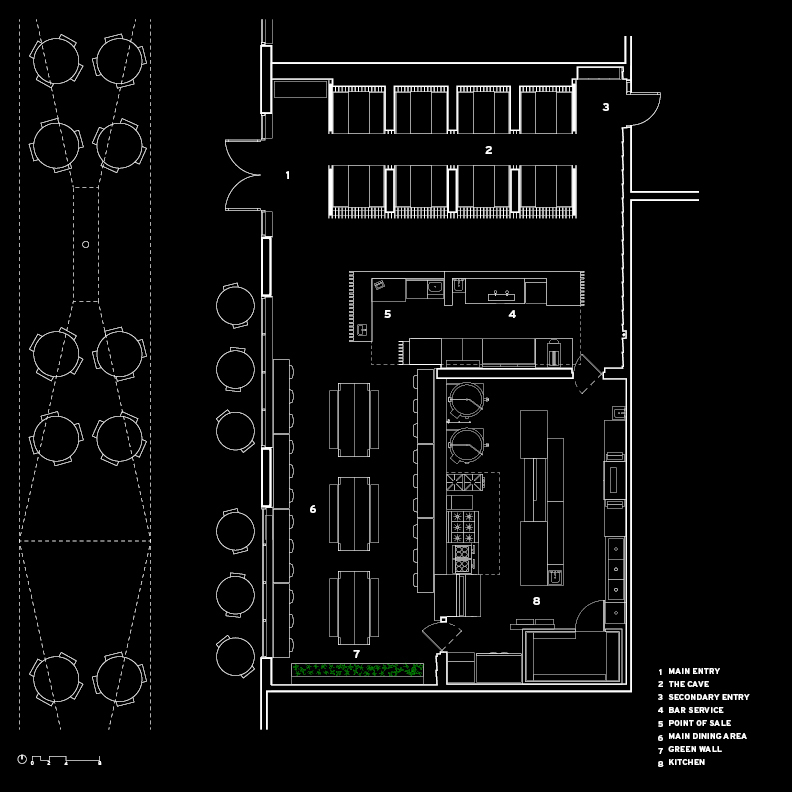
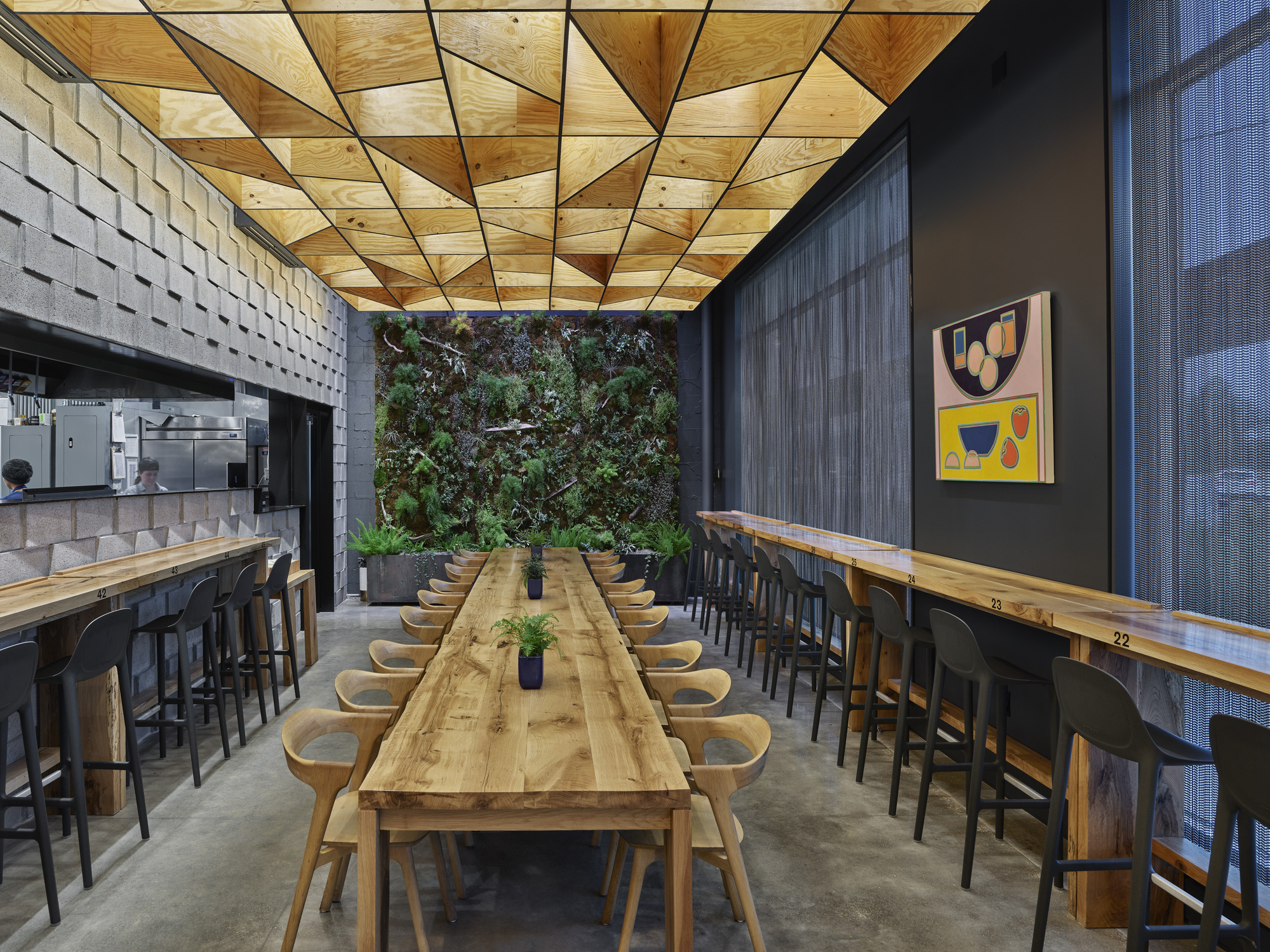
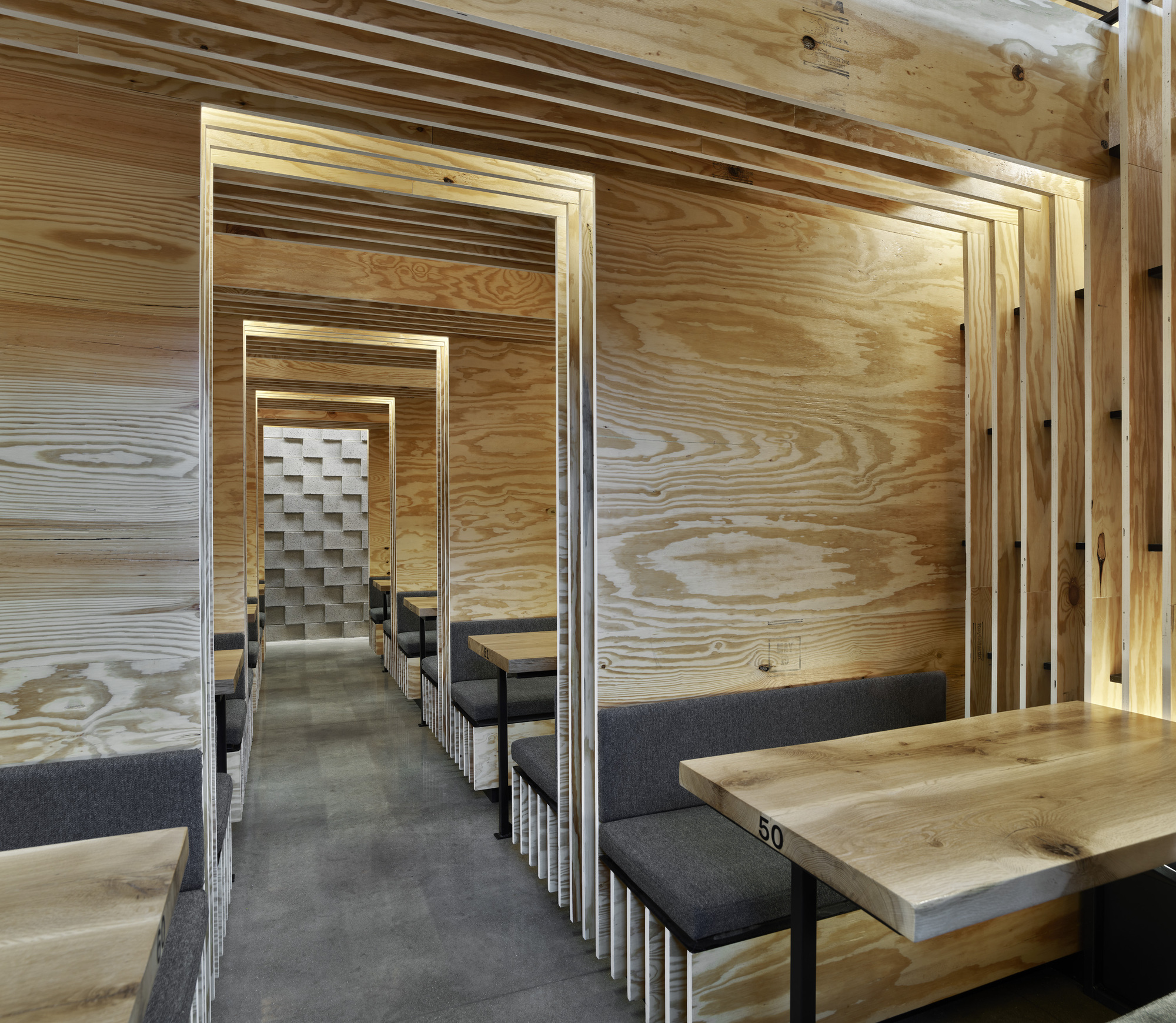
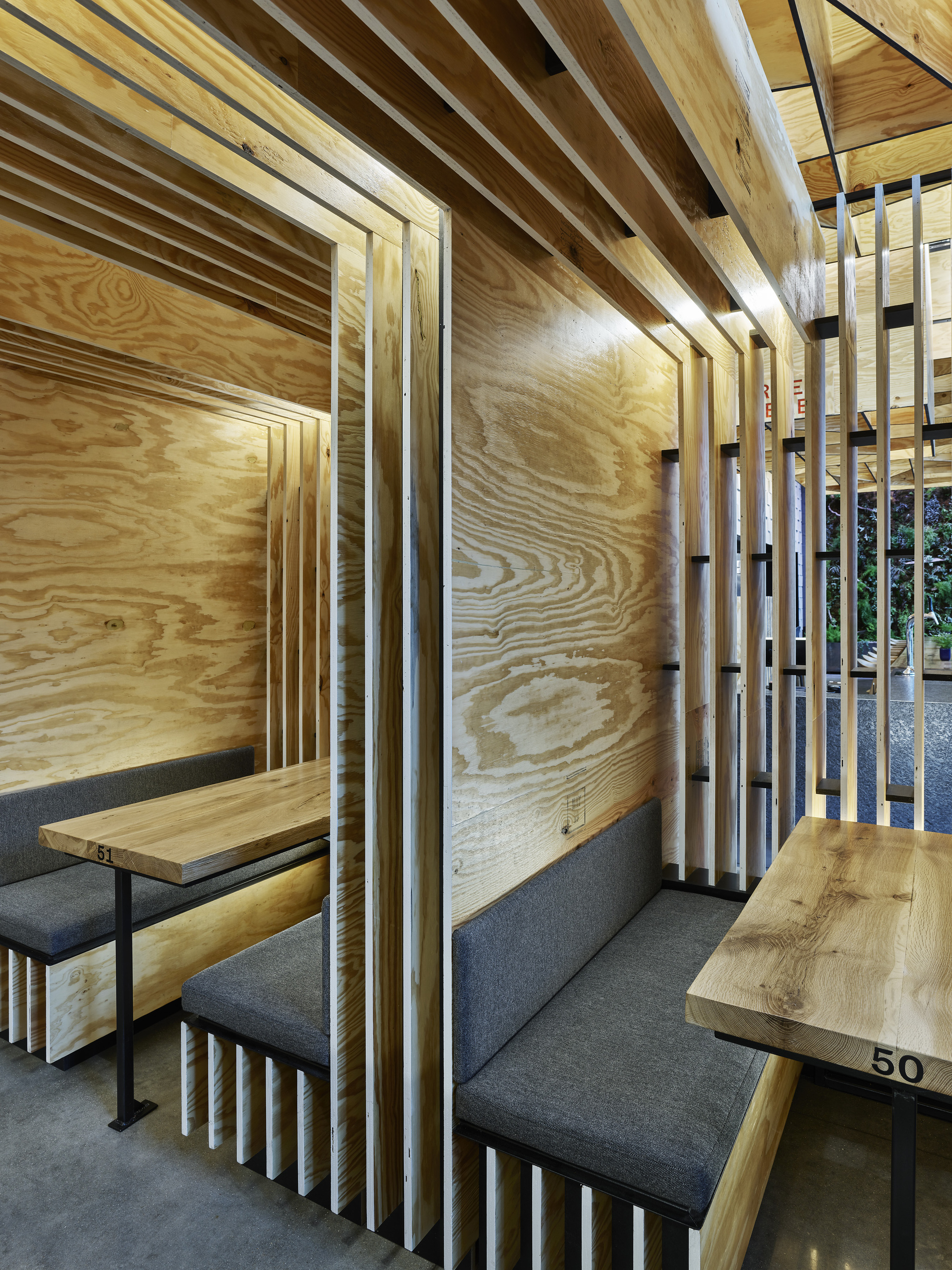
The client’s primary pain point stemmed from the design’s extensive use of materials featuring natural wood textures—such as plywood. While these materials possess an inherent warmth and approachability, they are highly susceptible to damage—including delamination, warping, and staining caused by grease penetration—within the specific environment of a ramen shop, which is characterized by high-temperature steam, frequent cleaning, and the splashing of salt-rich broths. Furthermore, a key commercial priority for the owner was to determine how furniture could establish a sense of sensory balance—a “softness”—to counter the visual density of the industrial-geometric ceiling, while simultaneously alleviating any sense of spatial congestion within the compact layout. To address these challenges, our factory implemented advanced techniques involving thermal-fusion edge banding and multi-layer fluorocarbon polymer protection. To bolster material resilience, we subjected the edges of all custom tables and chairs to a 360-degree thermal-fusion structural locking treatment; this was followed by rigorous cyclic testing under constant 80°C heat and humidity to guarantee that the furniture’s structural integrity would remain absolutely uncompromised, even within a steam-filled environment. Regarding surface protection, we introduced a matte fluorocarbon nano-coating; this technology preserves the natural tactile quality of the wood while endowing the tabletops with exceptional resistance to grease penetration and surface scratching. To optimize spatial flow, we custom-designed a system of suspended backrests and benches with concealed supports—calibrating their dimensions precisely to the depth of the dining area shown in the project visuals. Through this “visual subtraction”—minimizing the number of contact points between the furniture and the floor—we significantly enhanced the visual openness and airiness of the ground-level space.
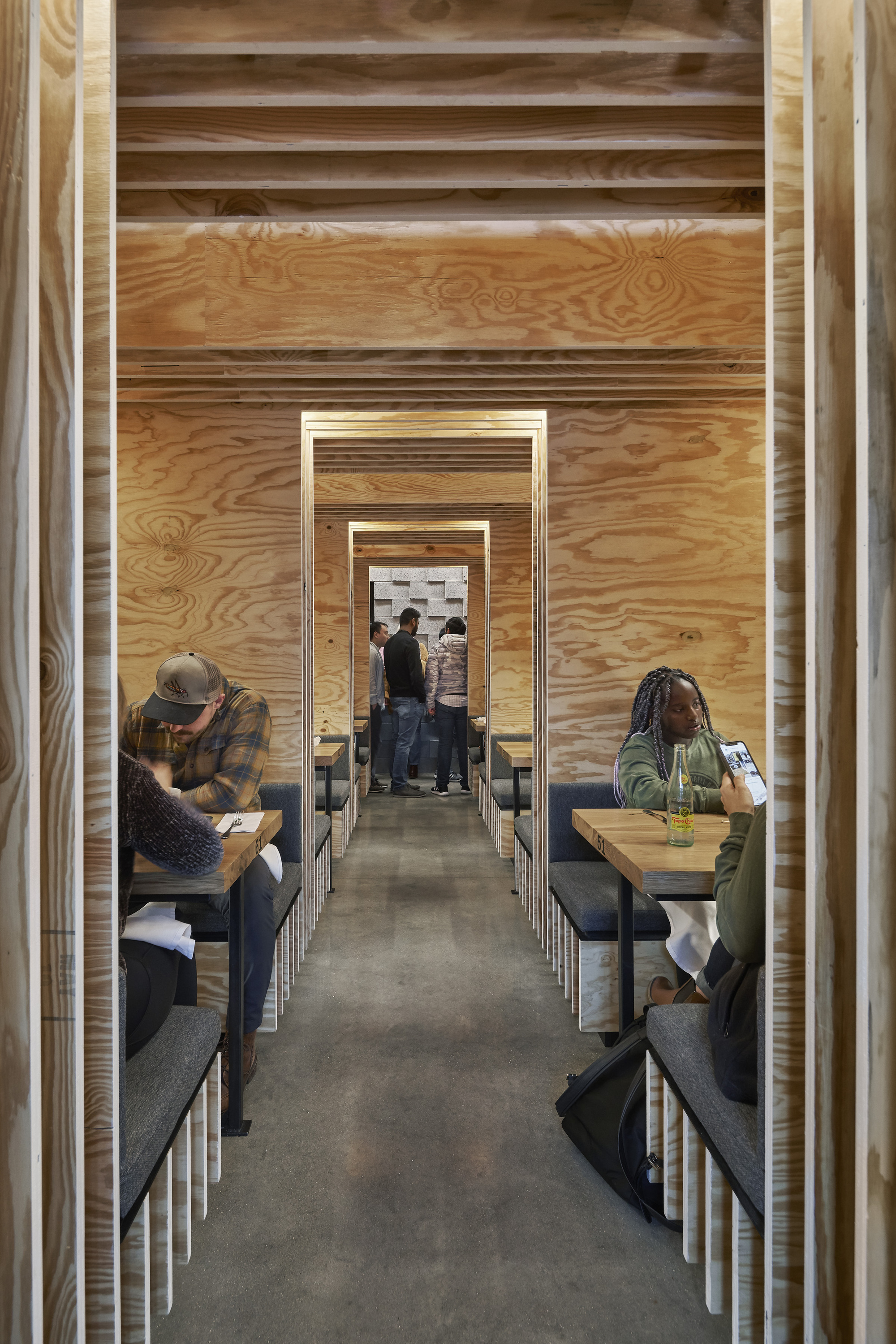
The project’s outcome demonstrates that the custom furniture successfully withstood the physical rigors of heavy operational periods, with the materials retaining the pristine appearance they possessed at the time of delivery. The furniture’s inherent warmth creates a captivating material contrast against the concrete flooring and the living green wall. As the owner remarked: “We provided not merely functional dining furniture, but—through cutting-edge material enhancement technologies—elevated the perceived quality of everyday materials to the level of high-end bespoke craftsmanship, thereby achieving a profound synergy between commercial operational efficiency and avant-garde aesthetics.” Our core product range encompasses long plywood tables, custom-made wooden dining chairs, integrated booth seating, and ordering counters; the primary spatial layout covers a central long-table zone, a bar dining area, semi-private booth sections, and a self-service ordering zone.