Fortuna Entertainment Group
Project Address:Czech Republic
Customer Type:Contractor
Project Type:Office
Major Suppliers:Office Furniture
Case Description
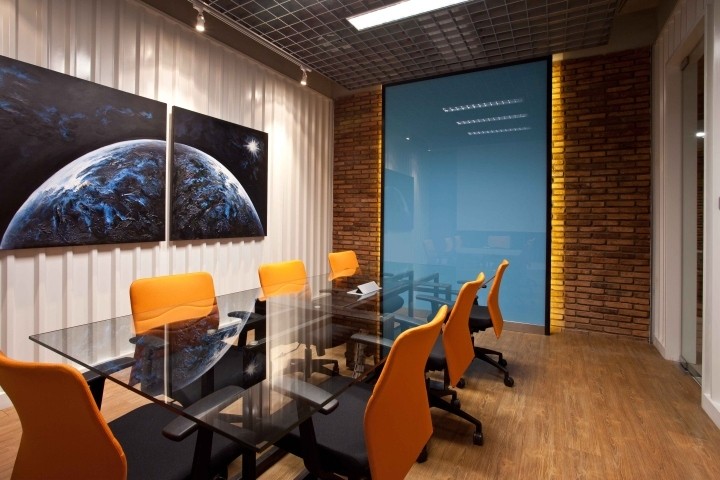
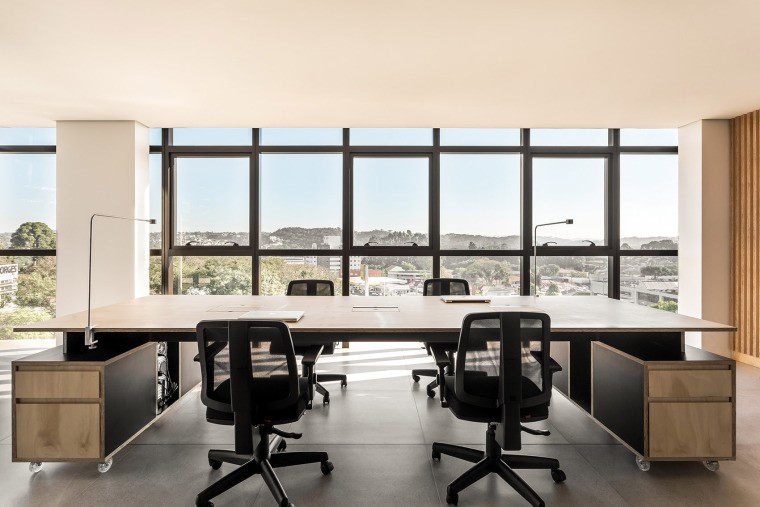
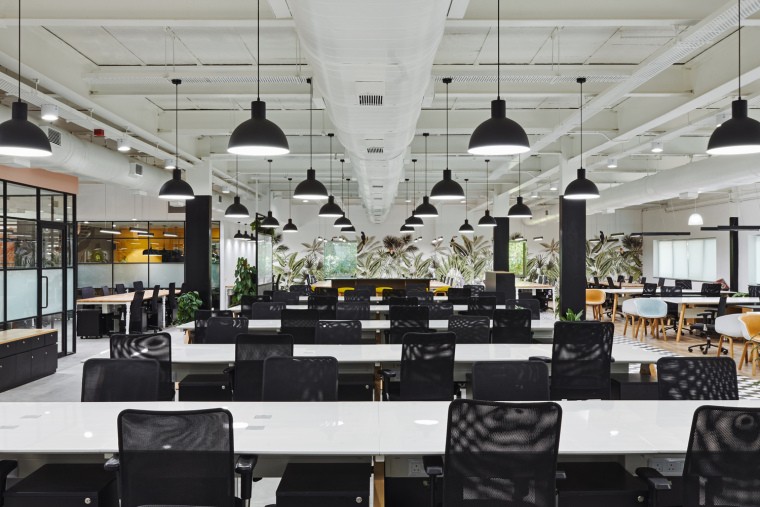
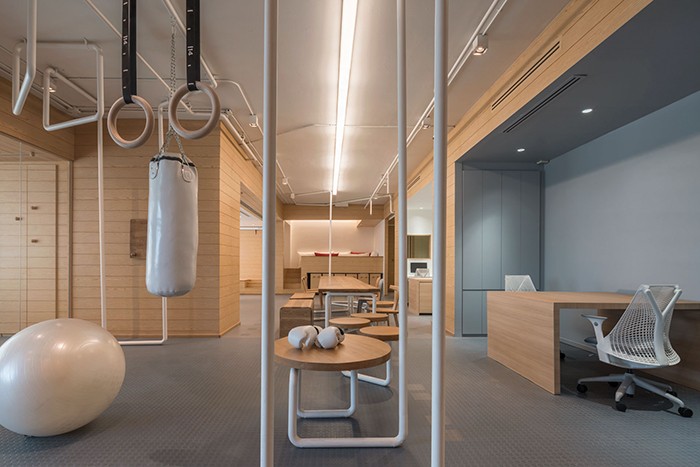
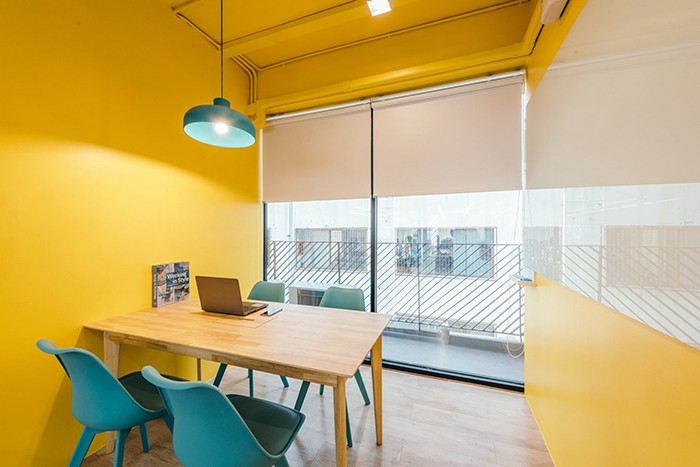
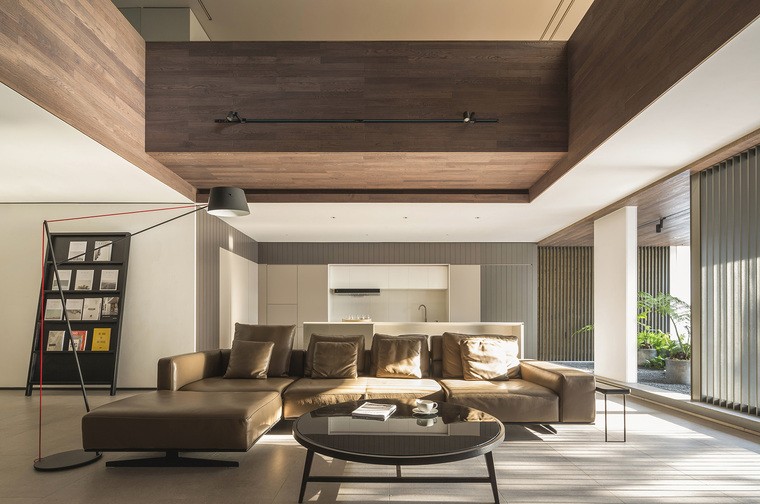
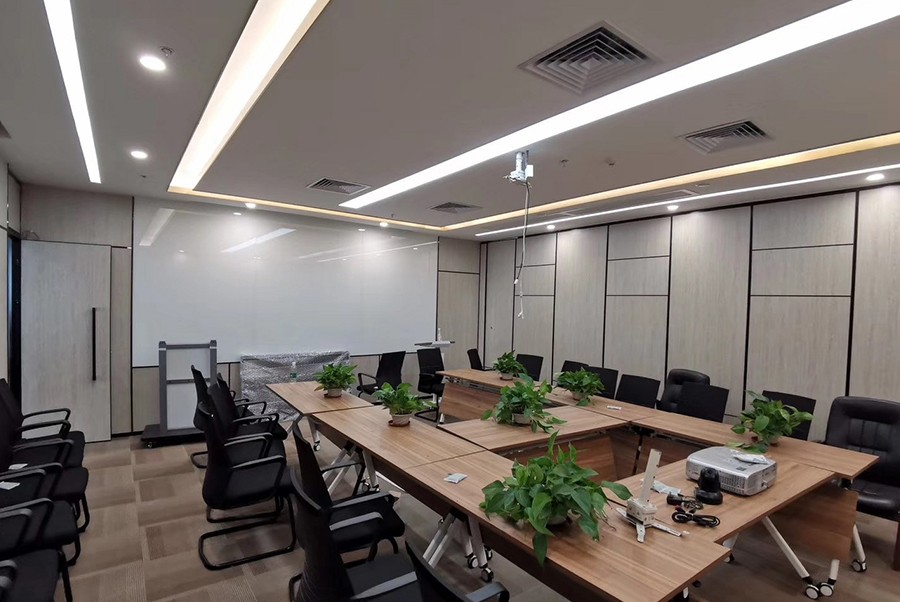
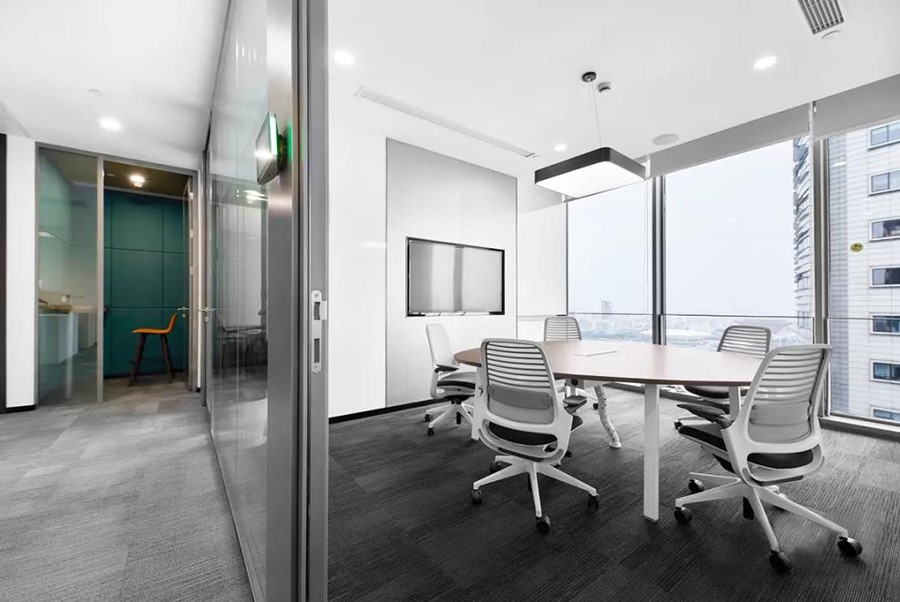
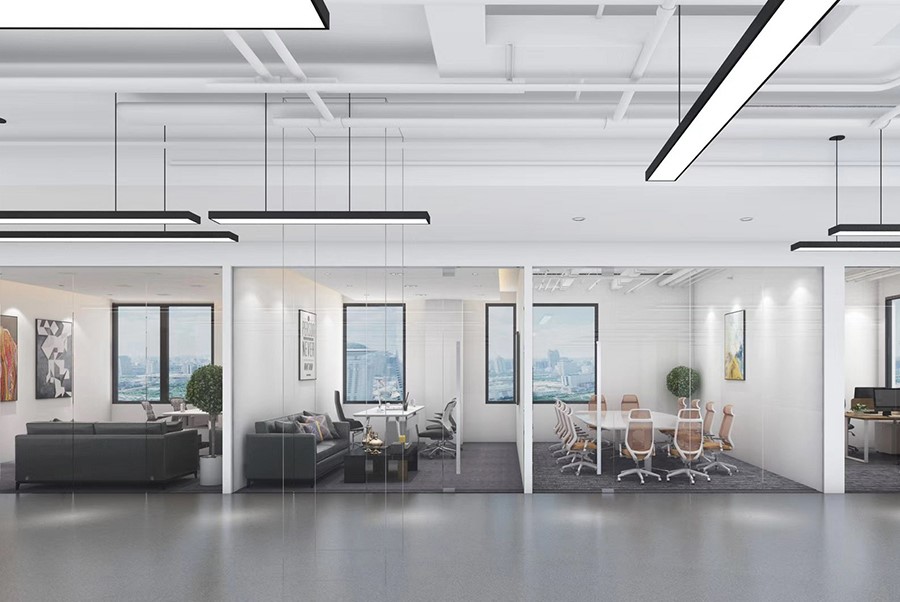
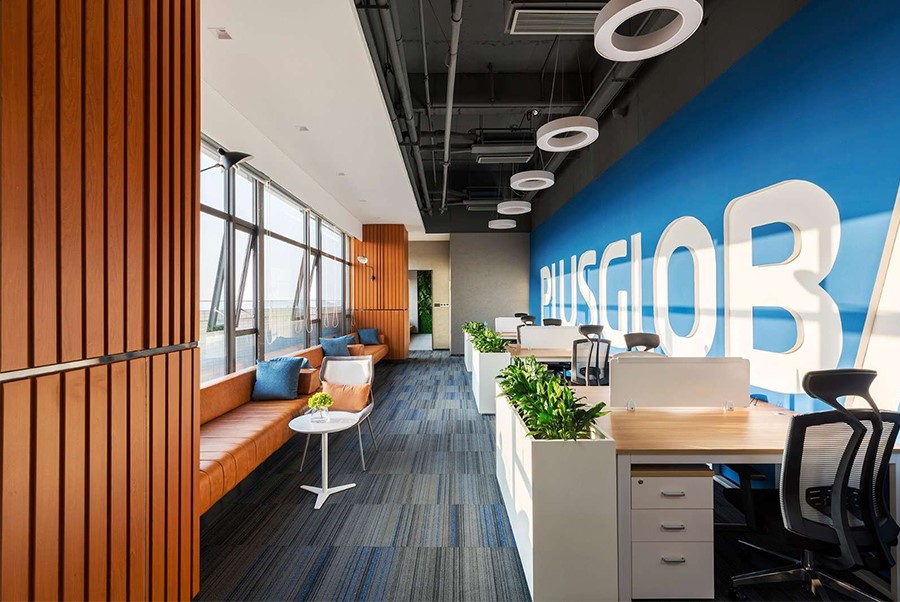
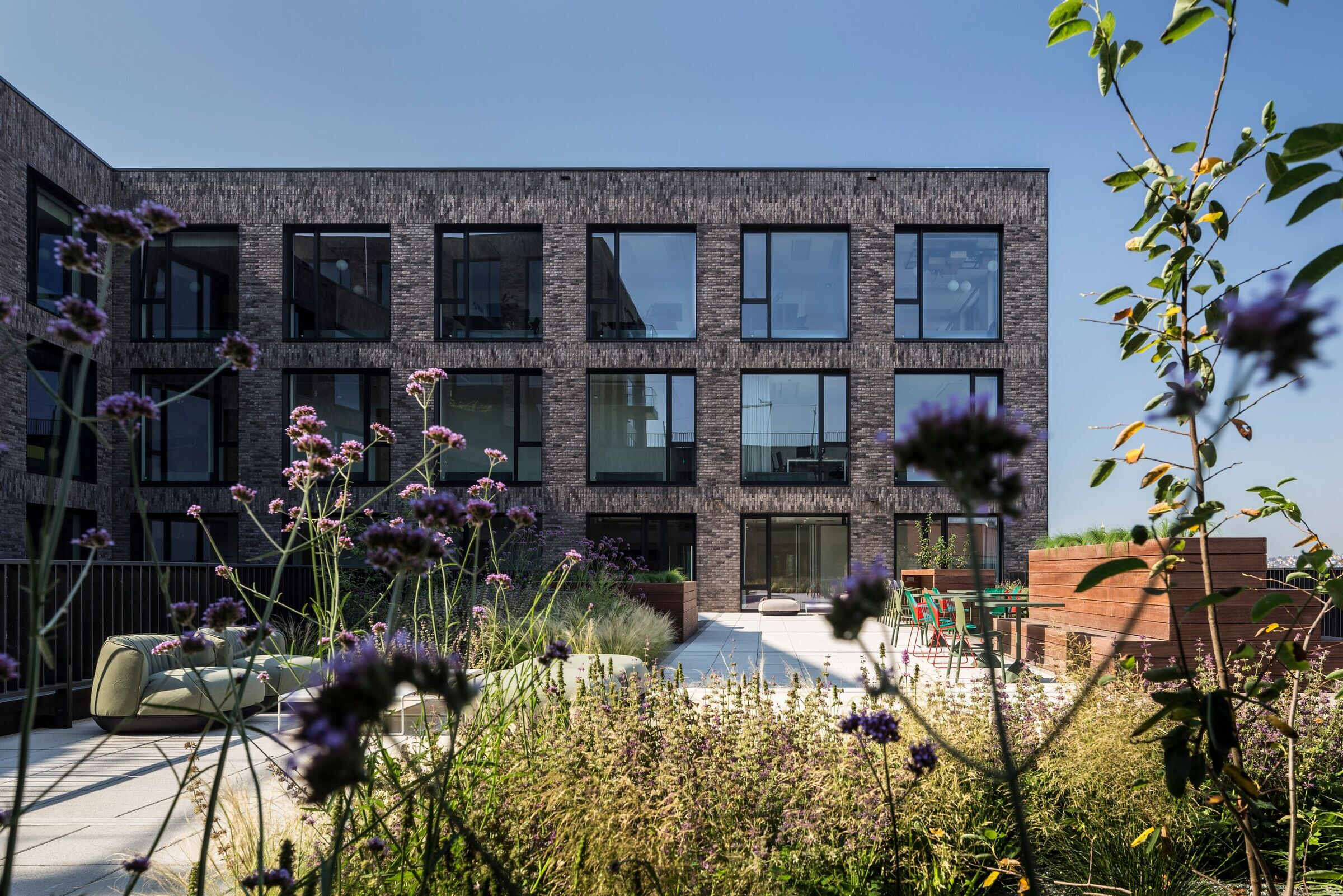
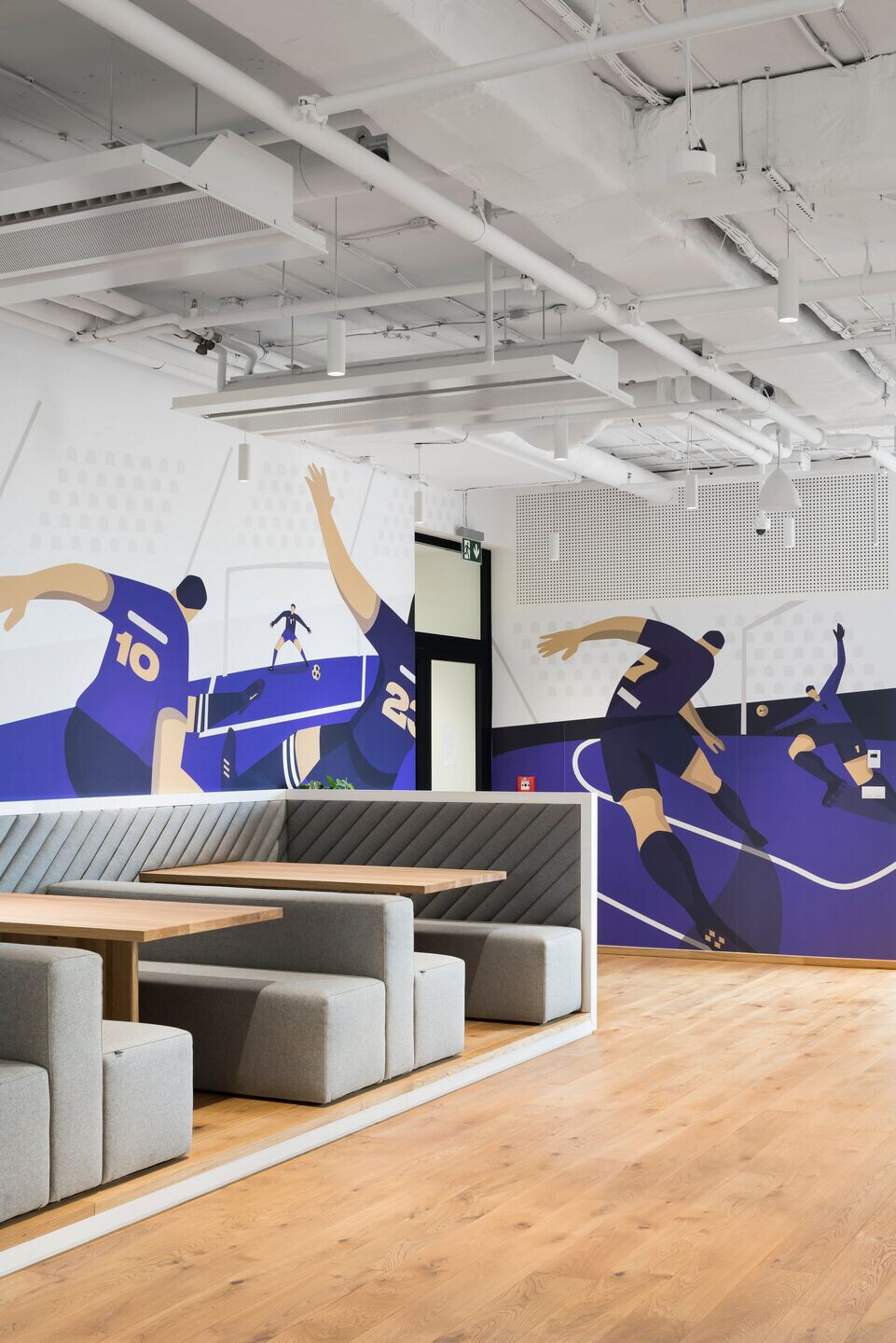
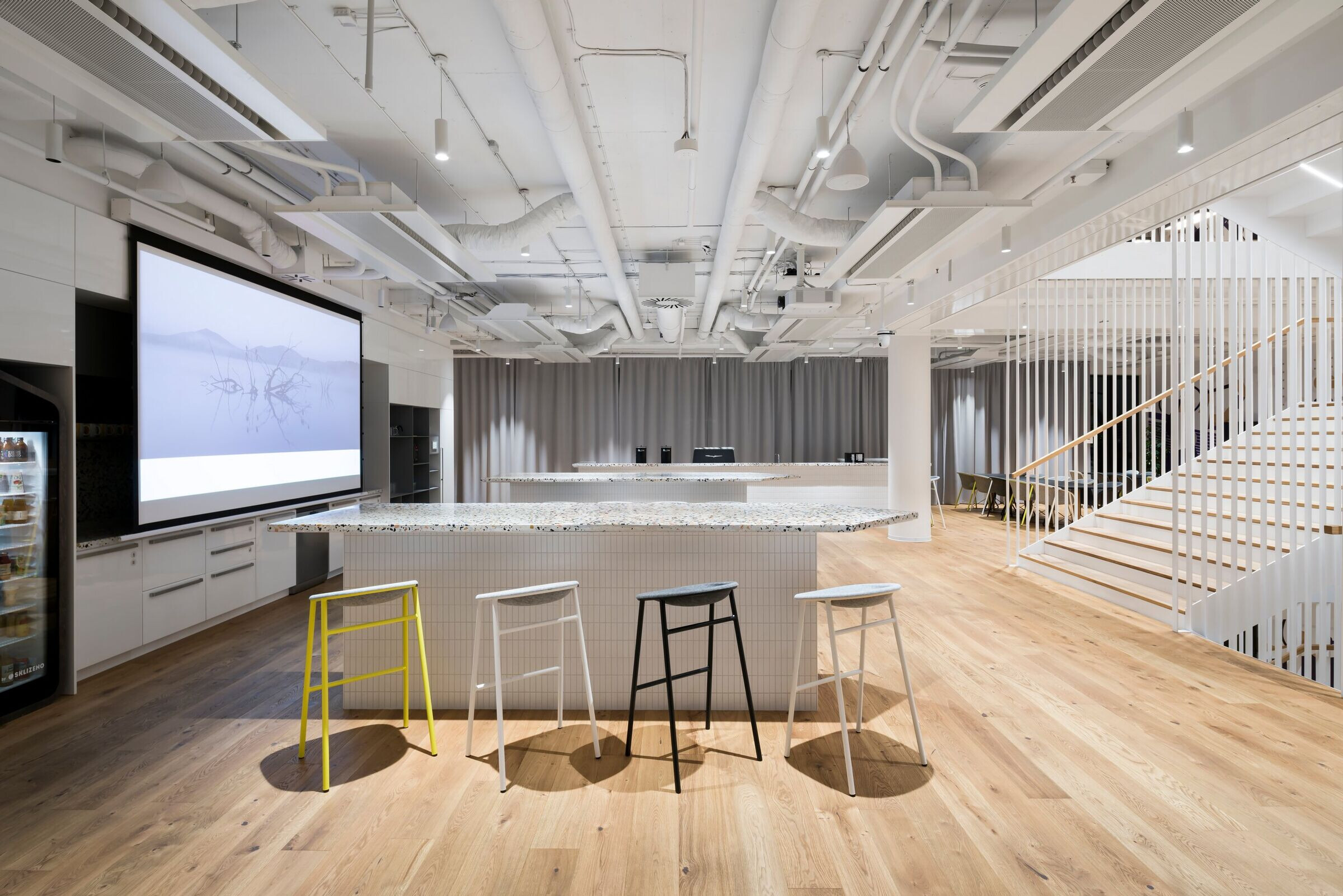
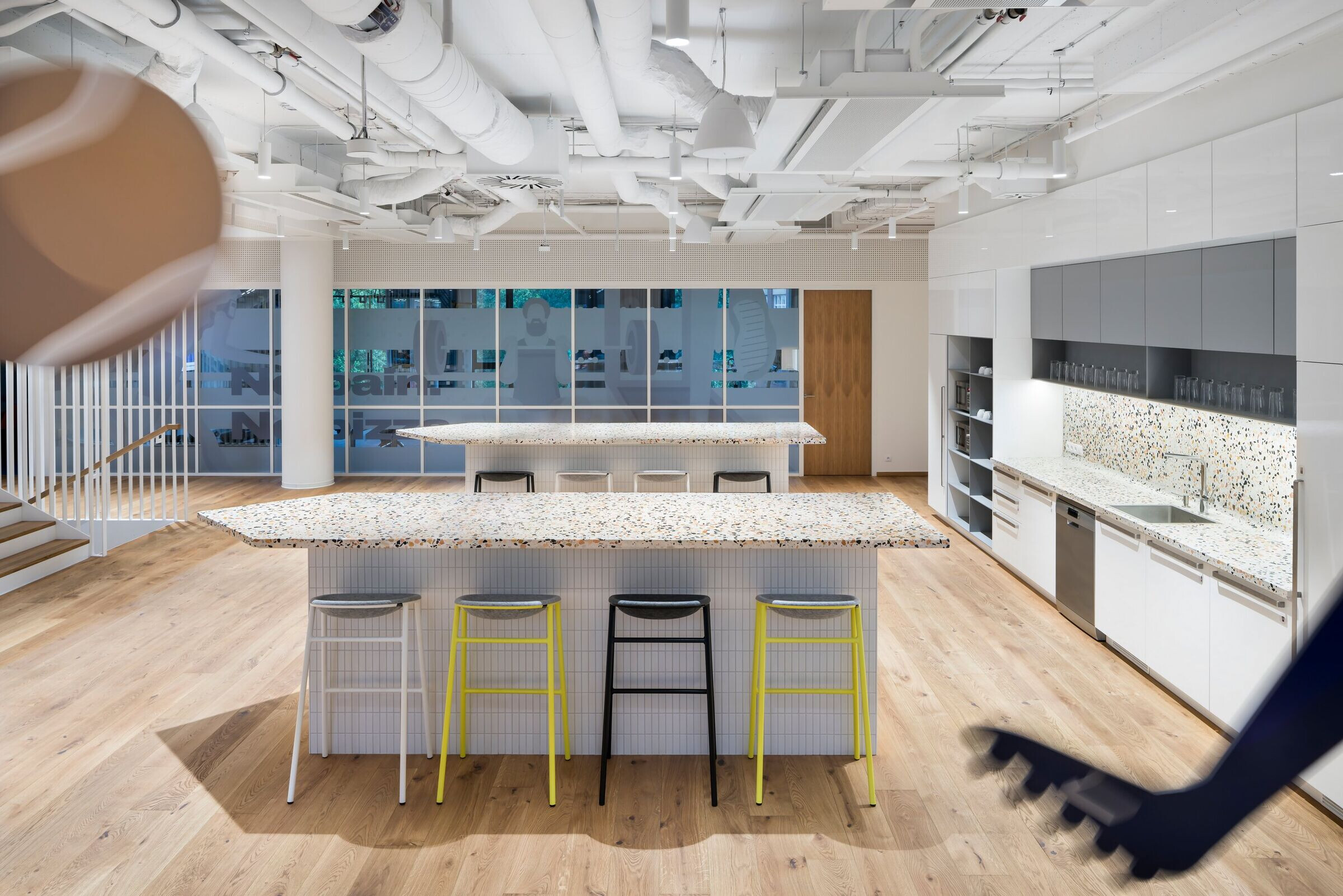
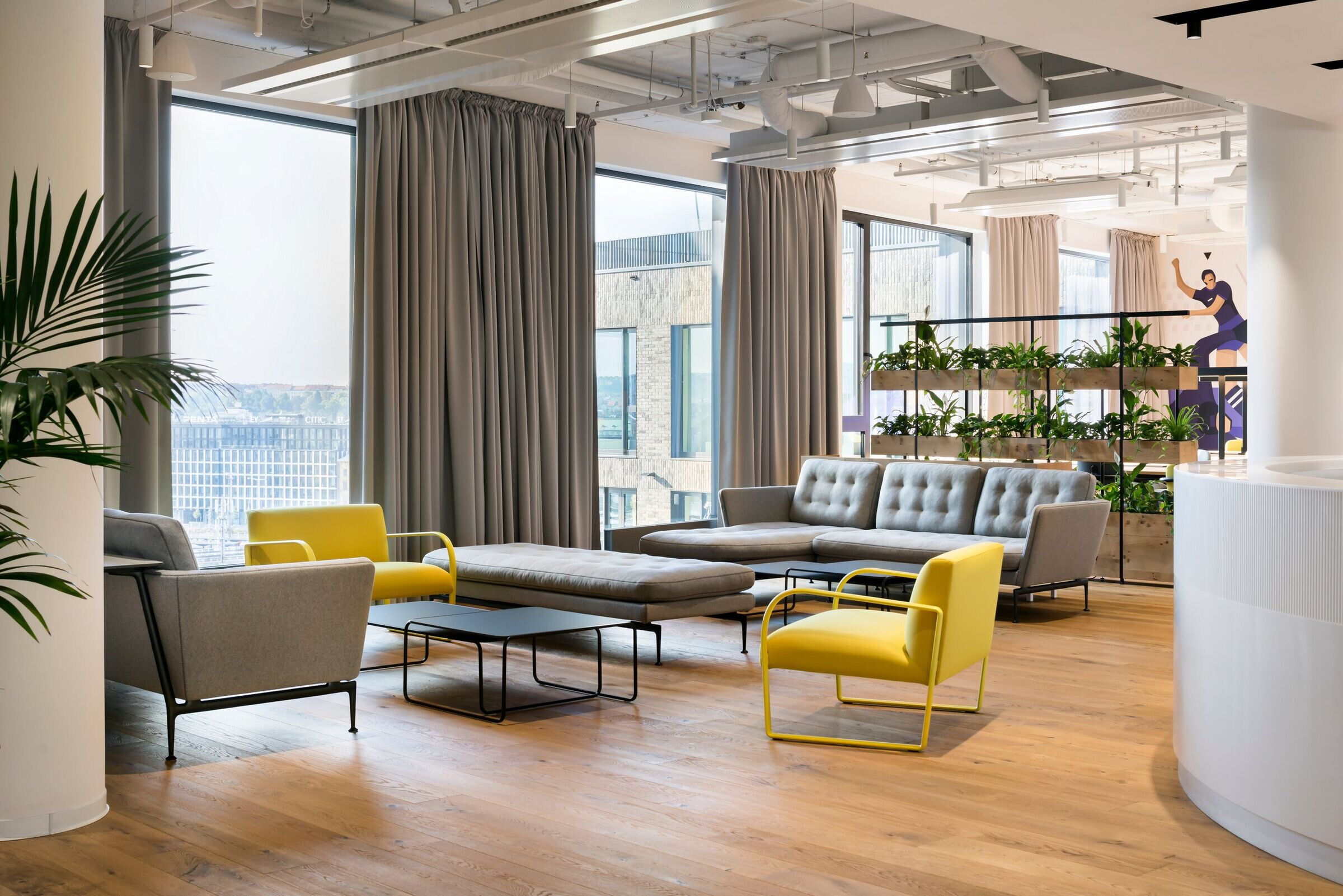
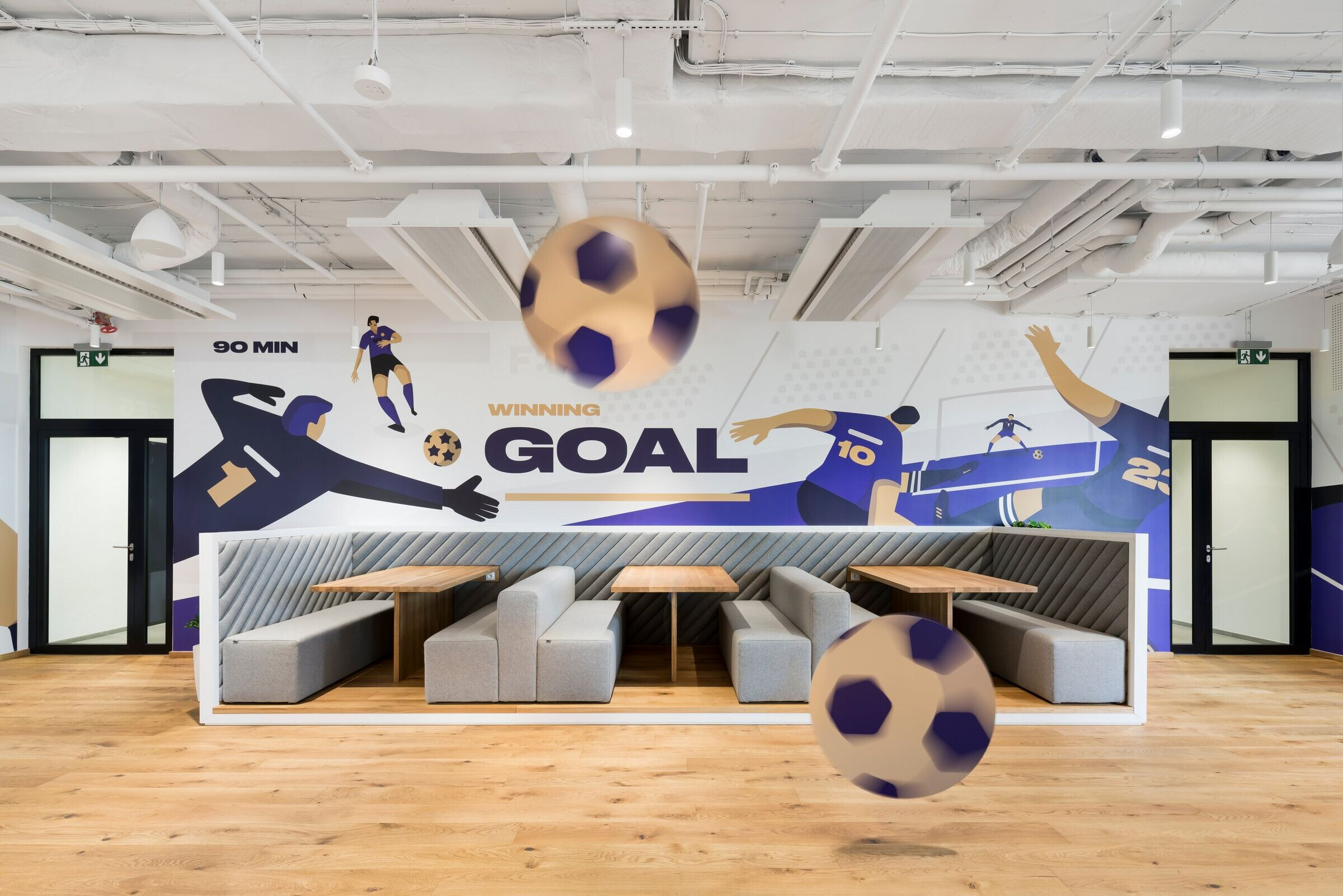
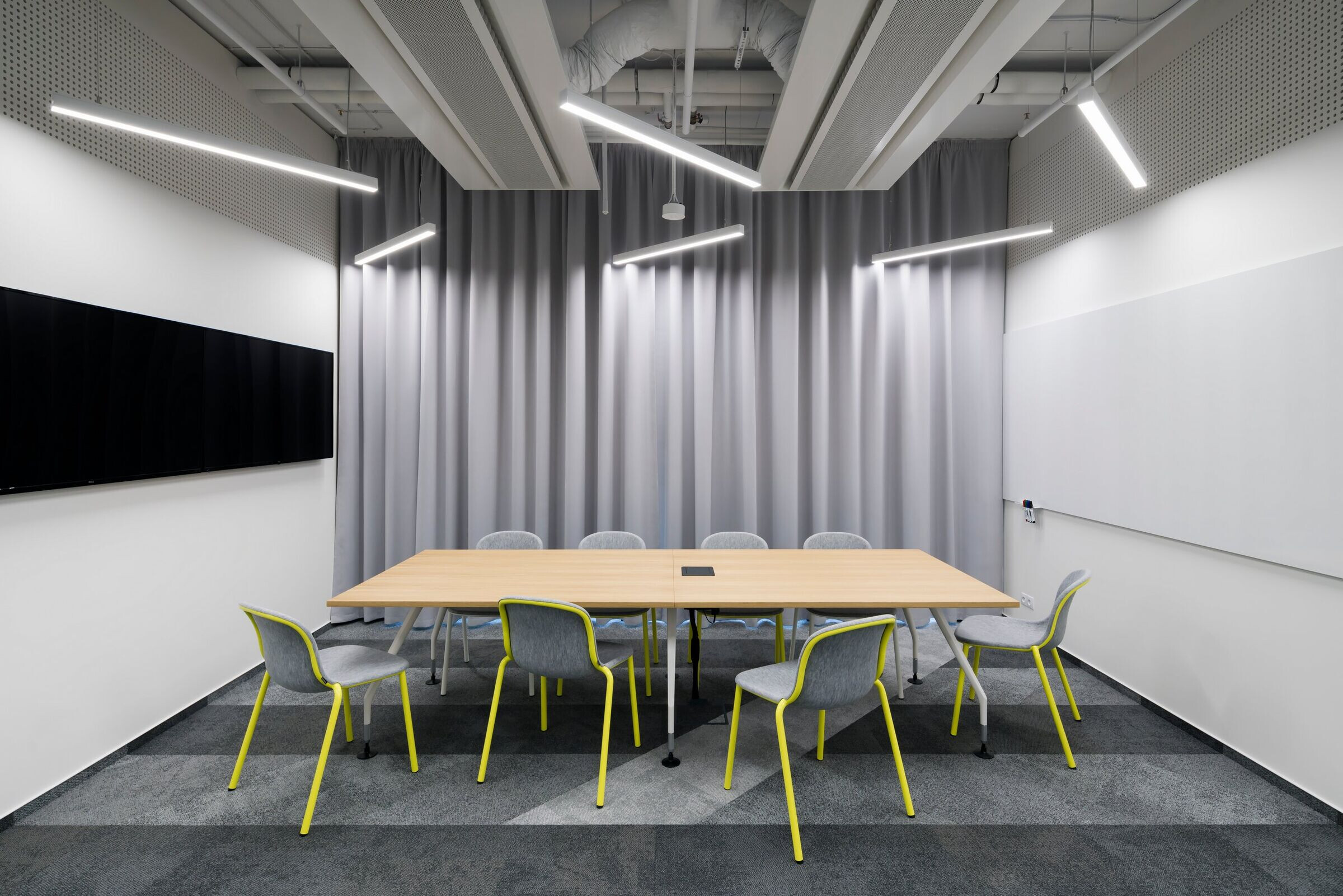
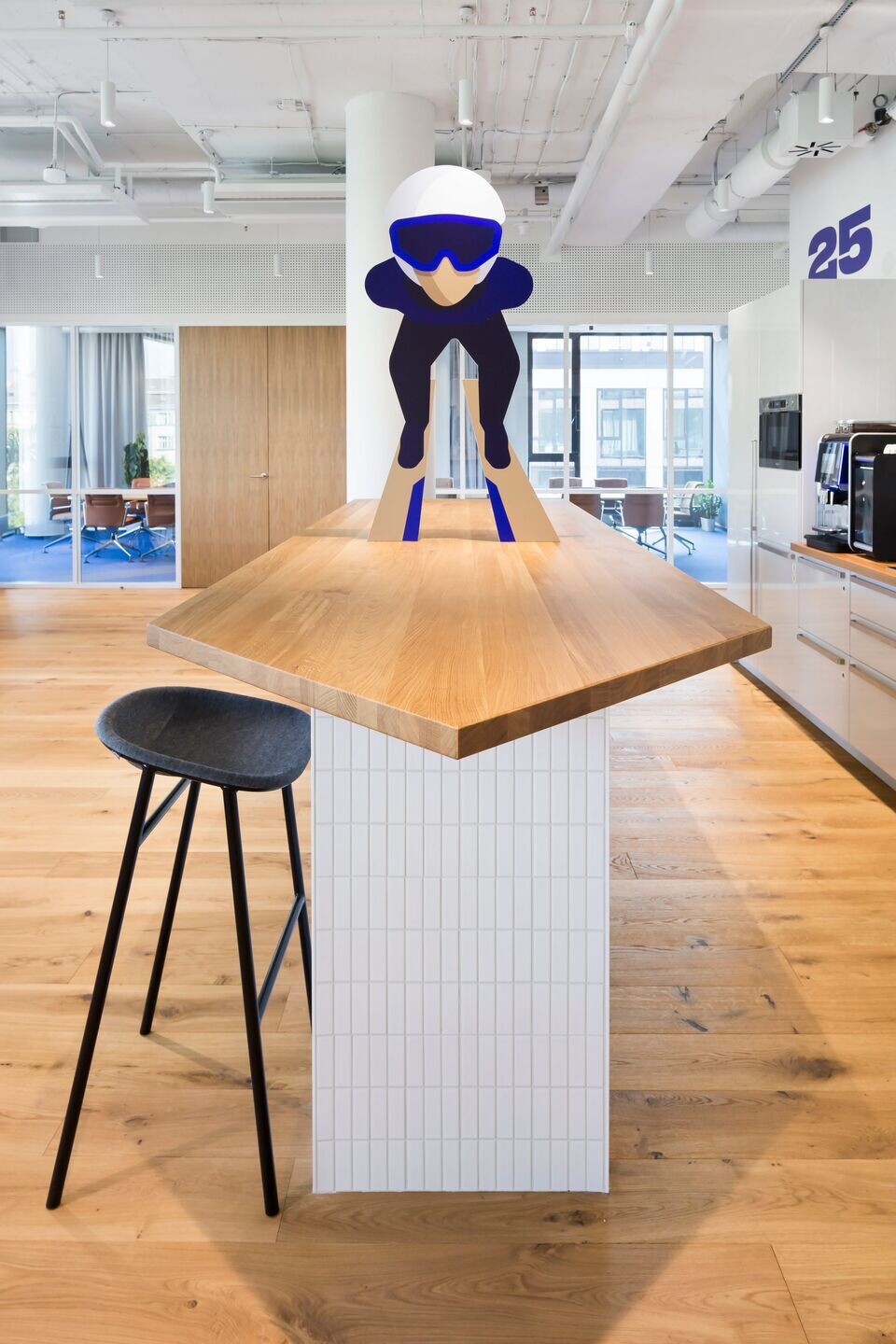
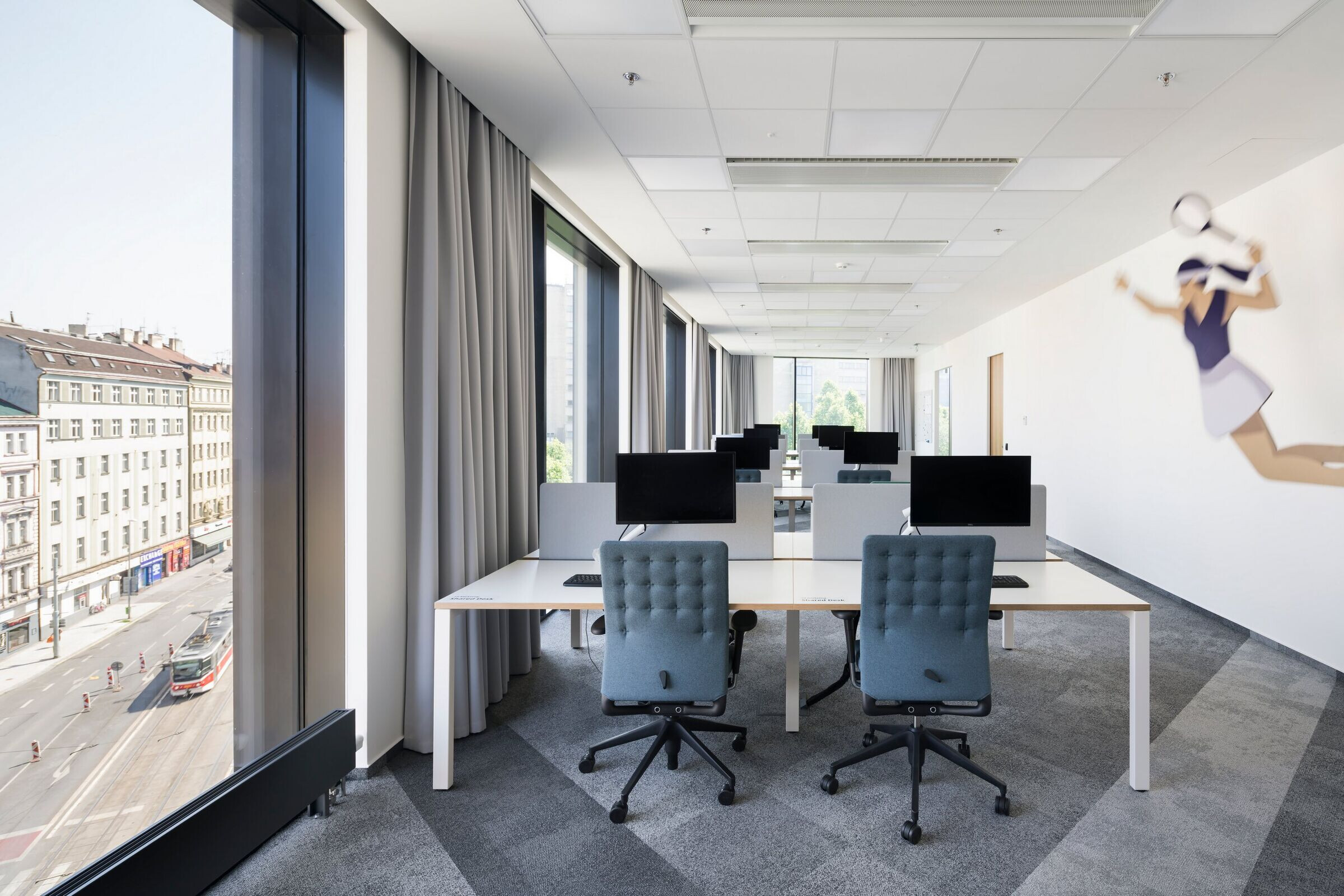
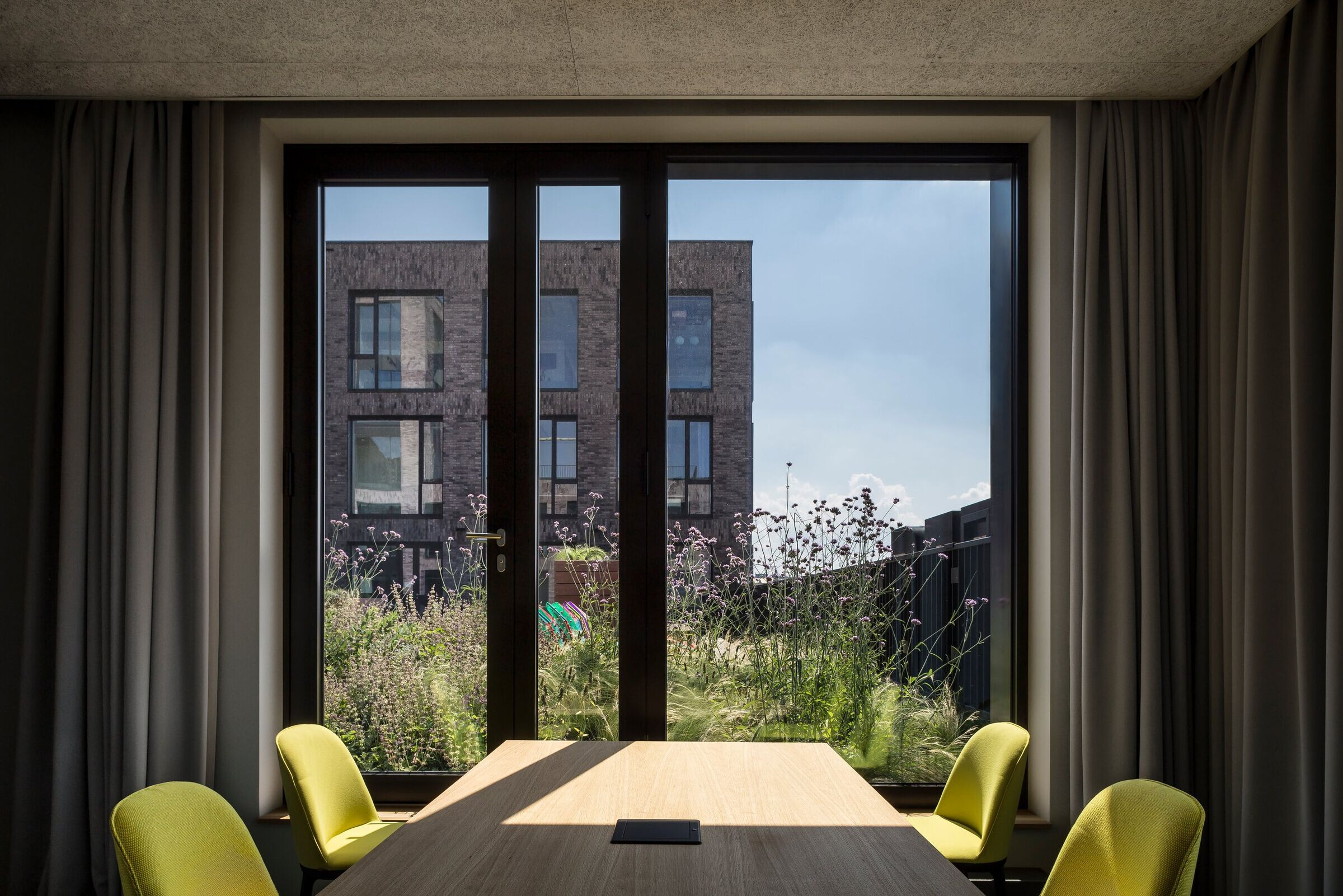
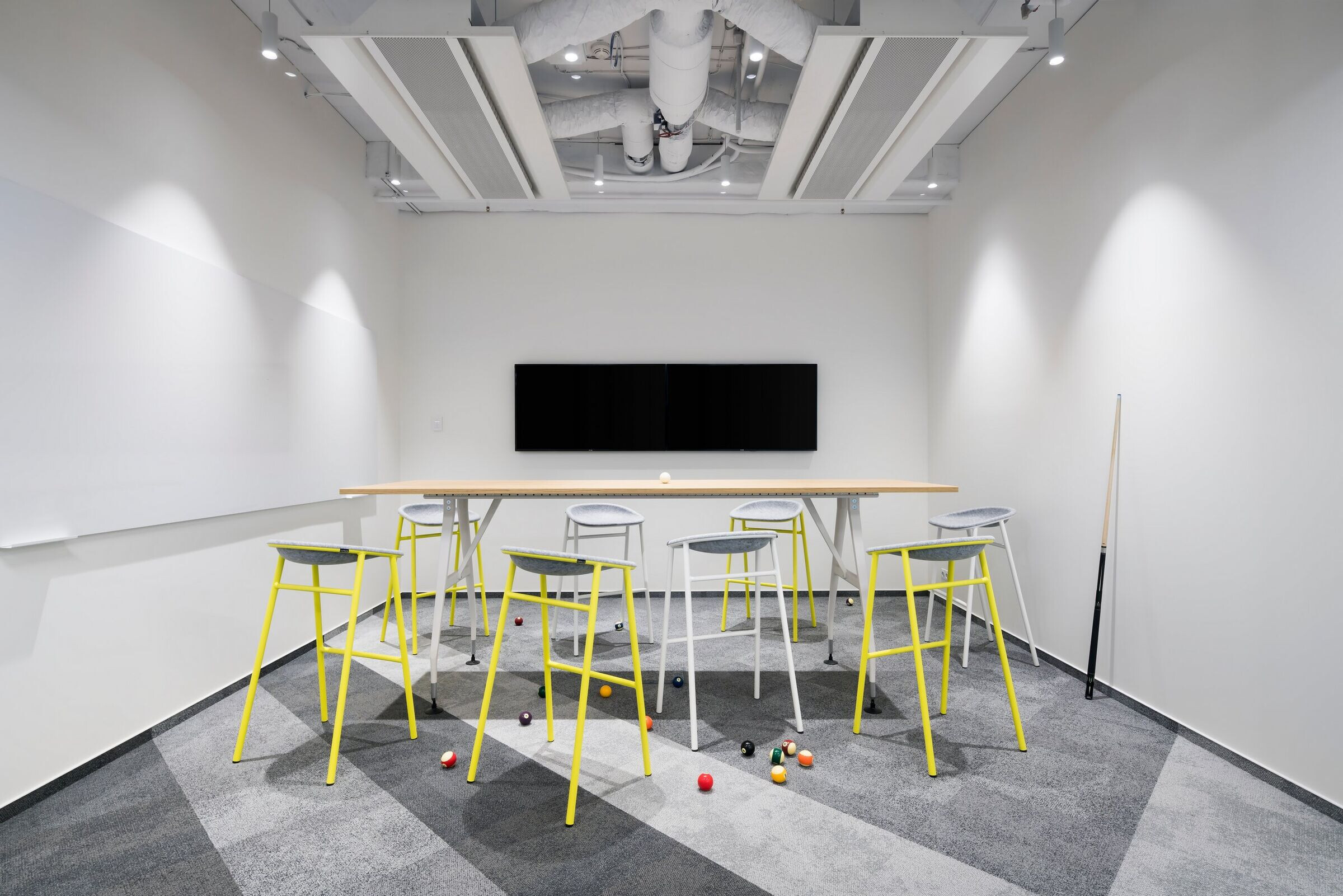
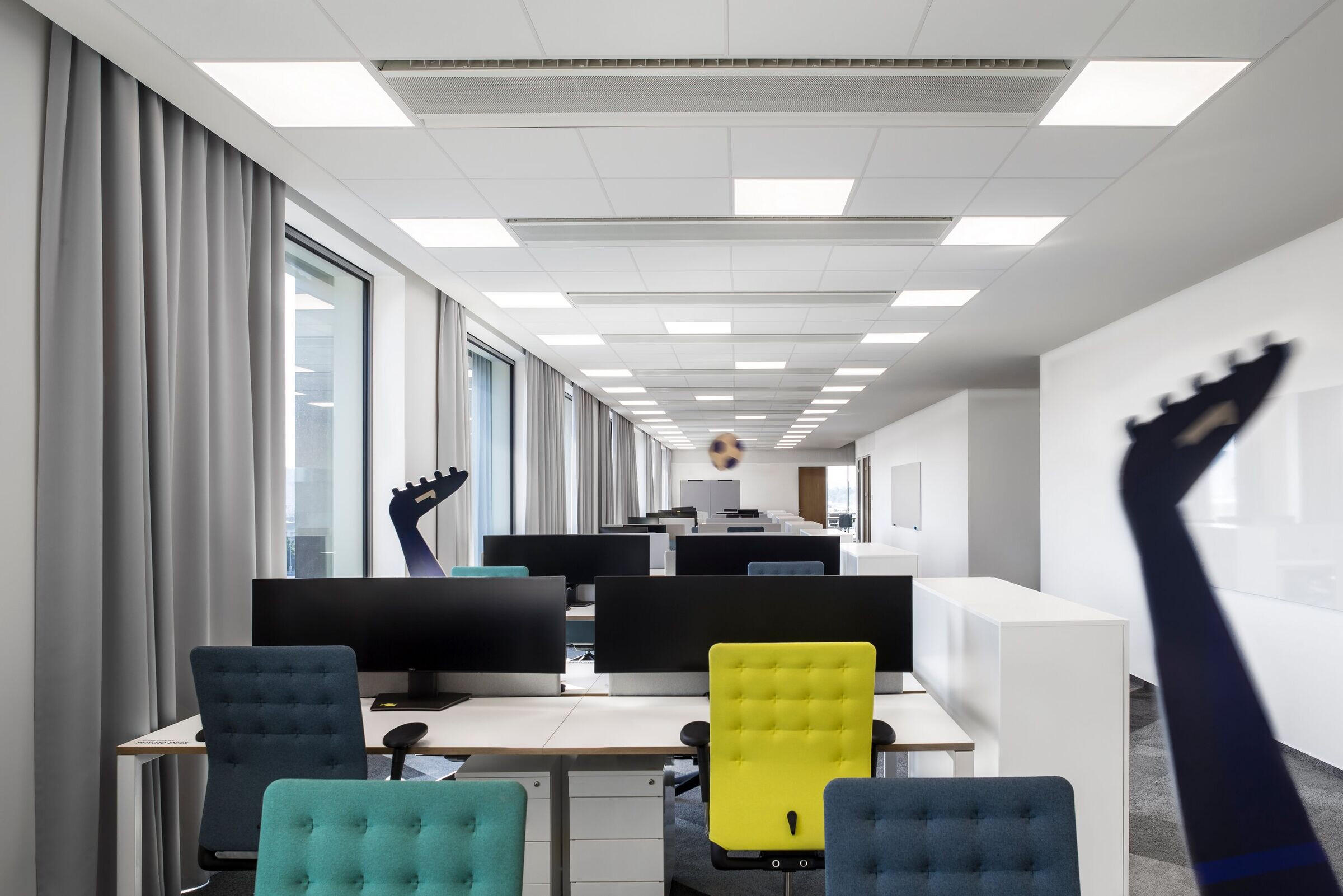
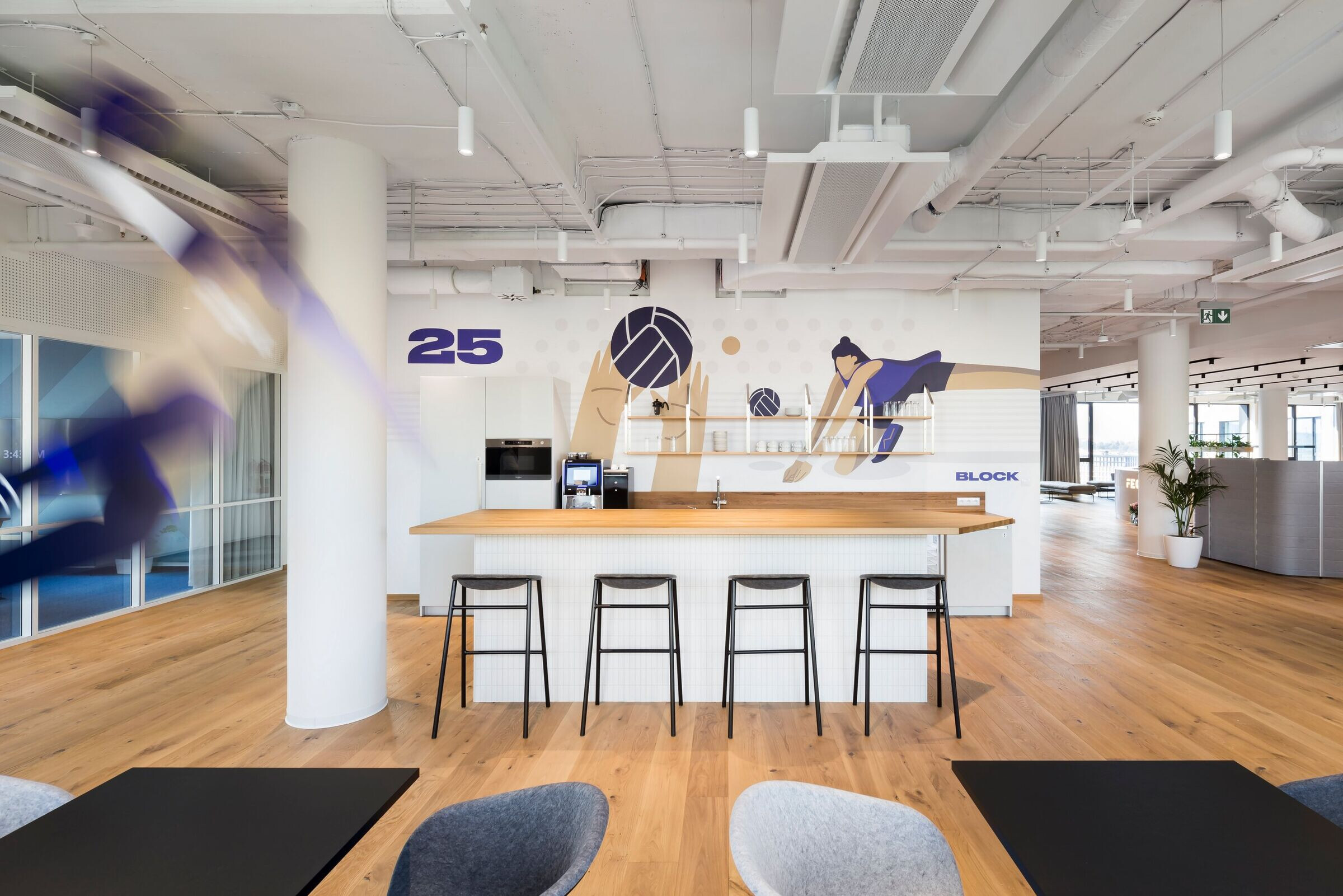
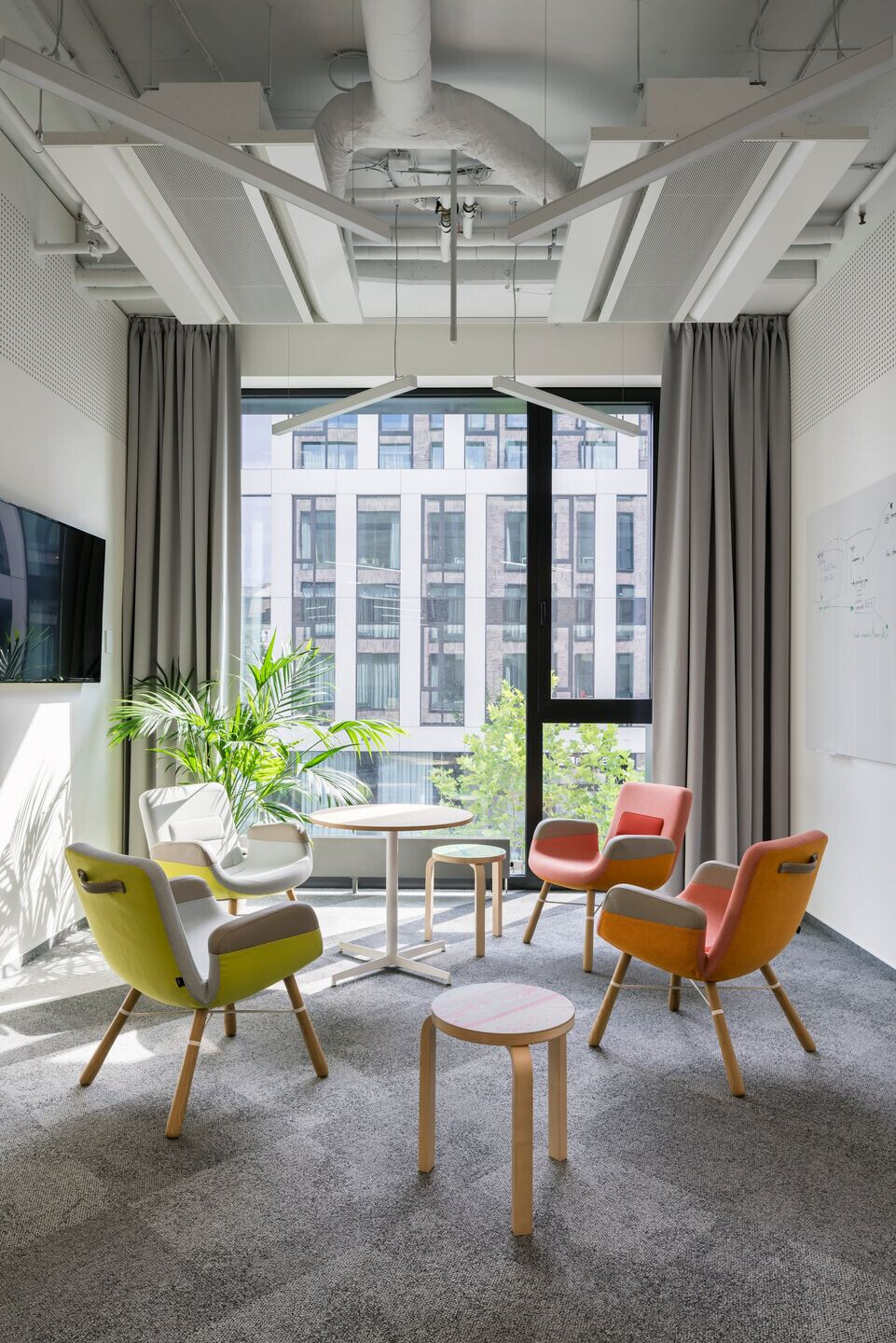
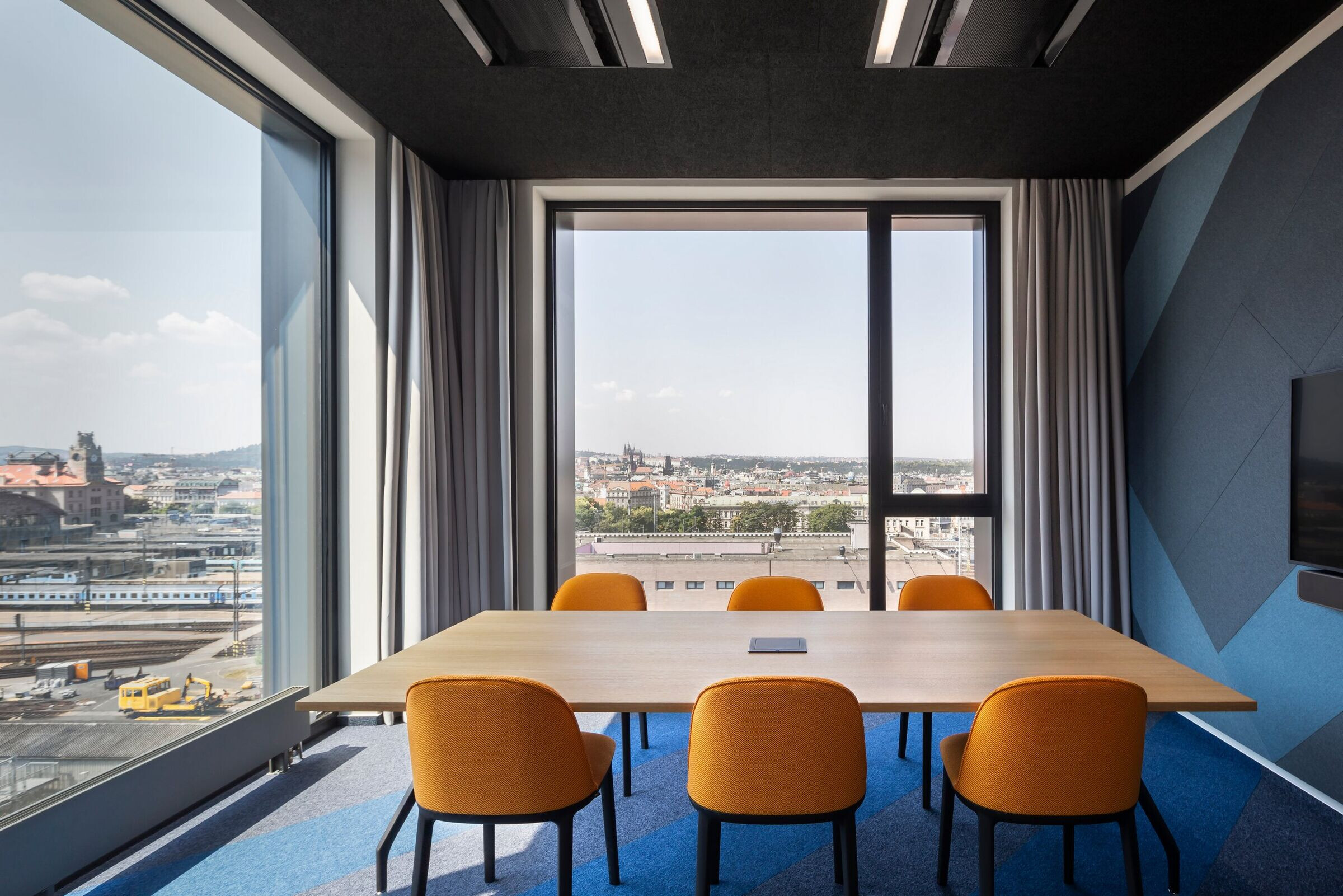
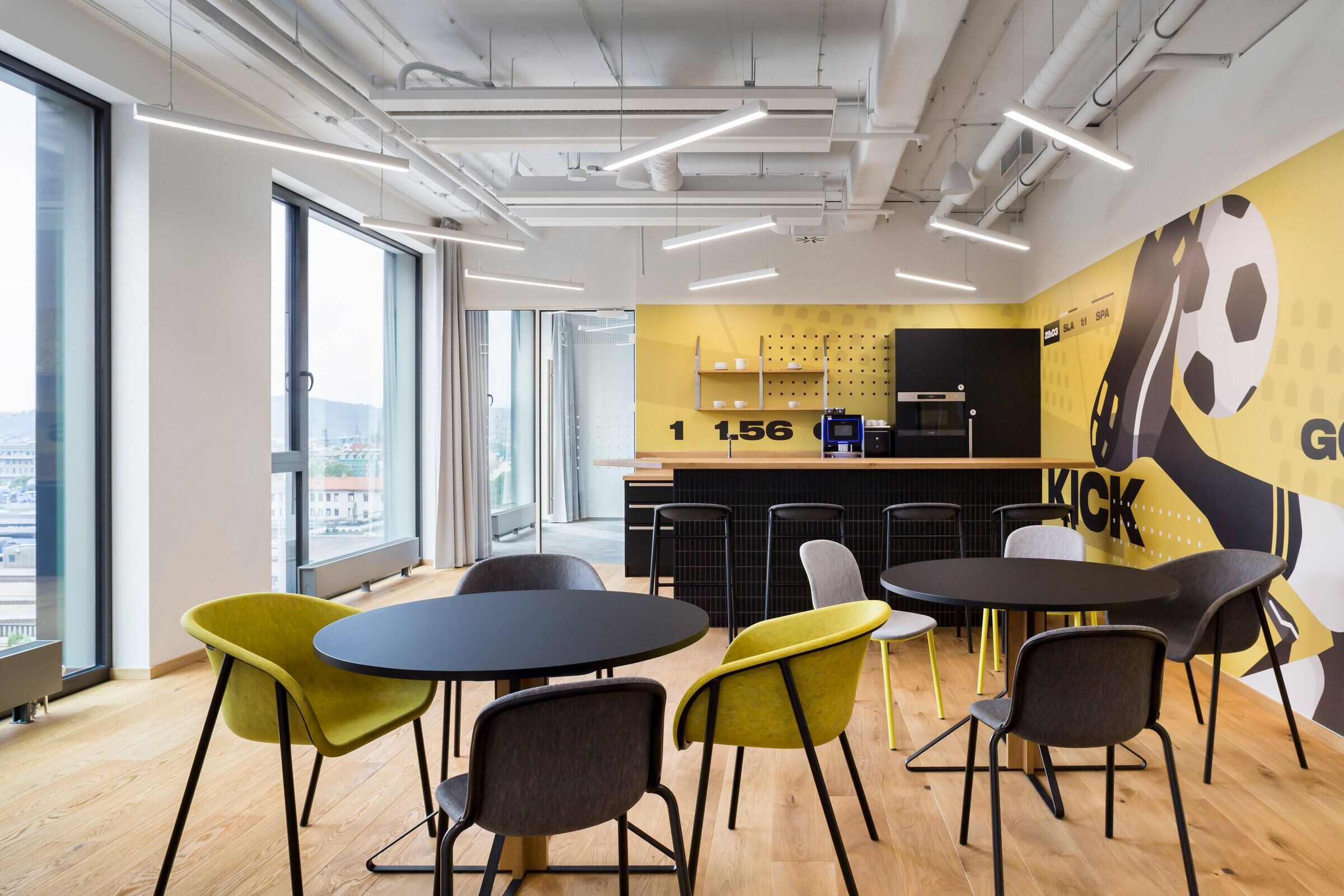
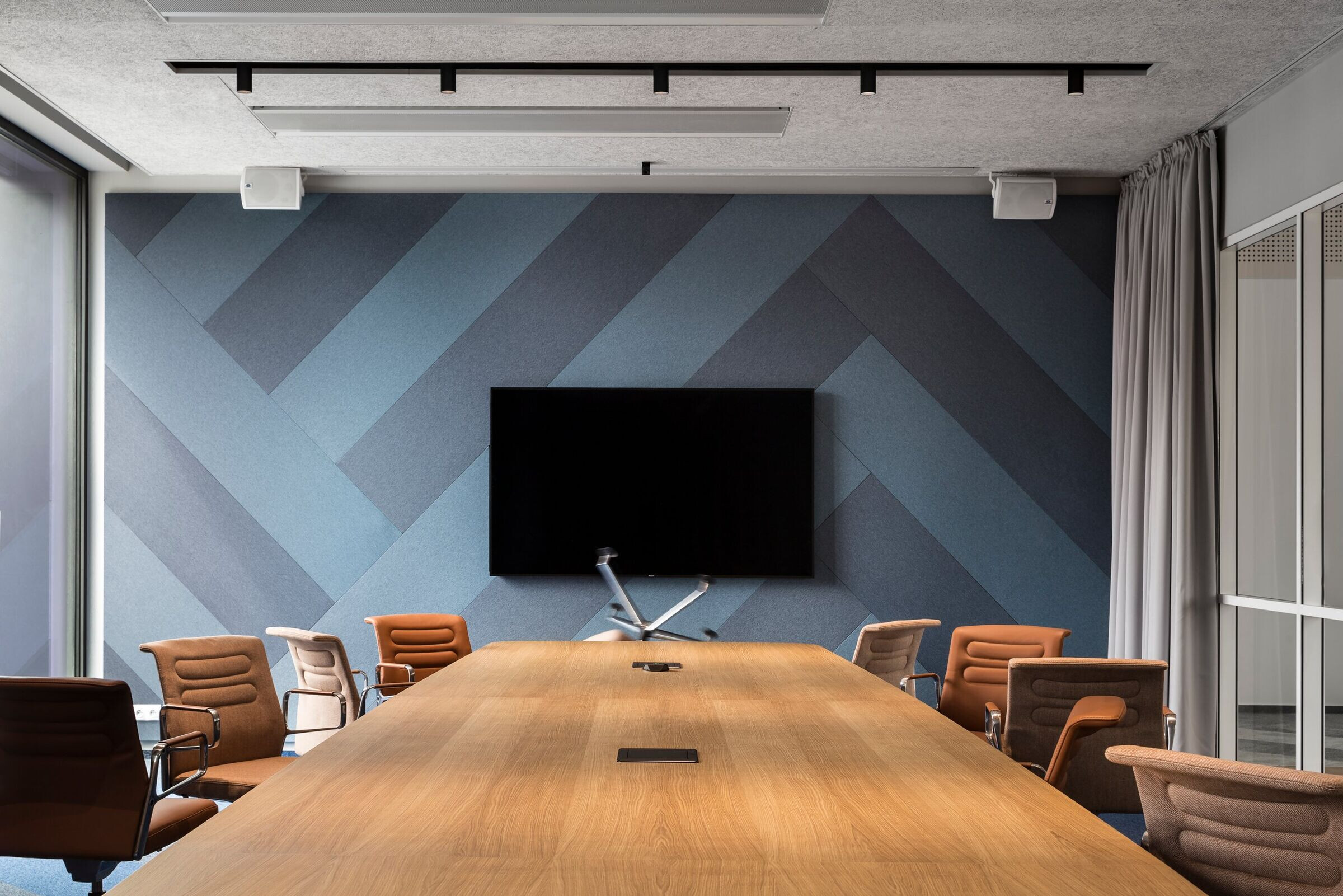
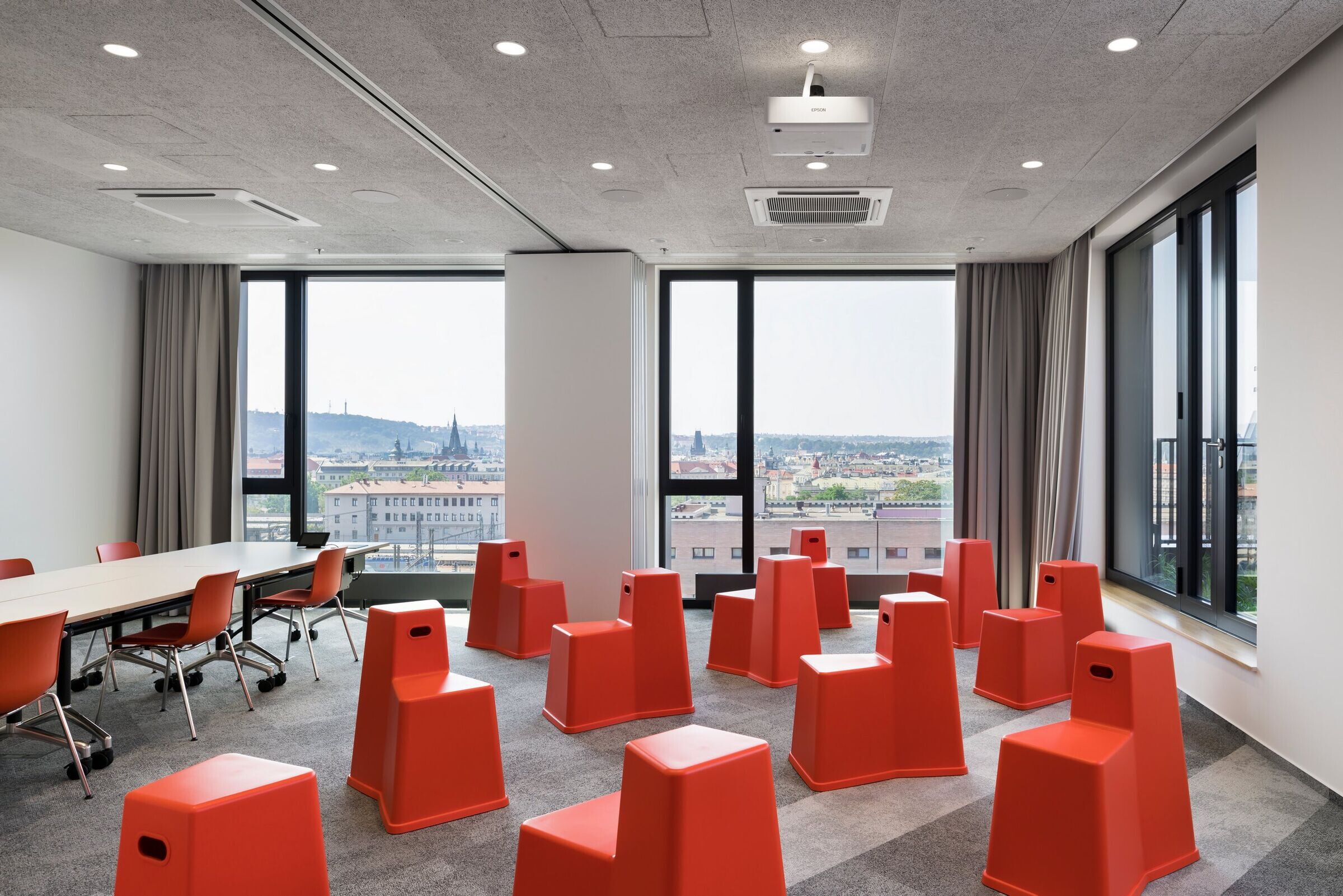
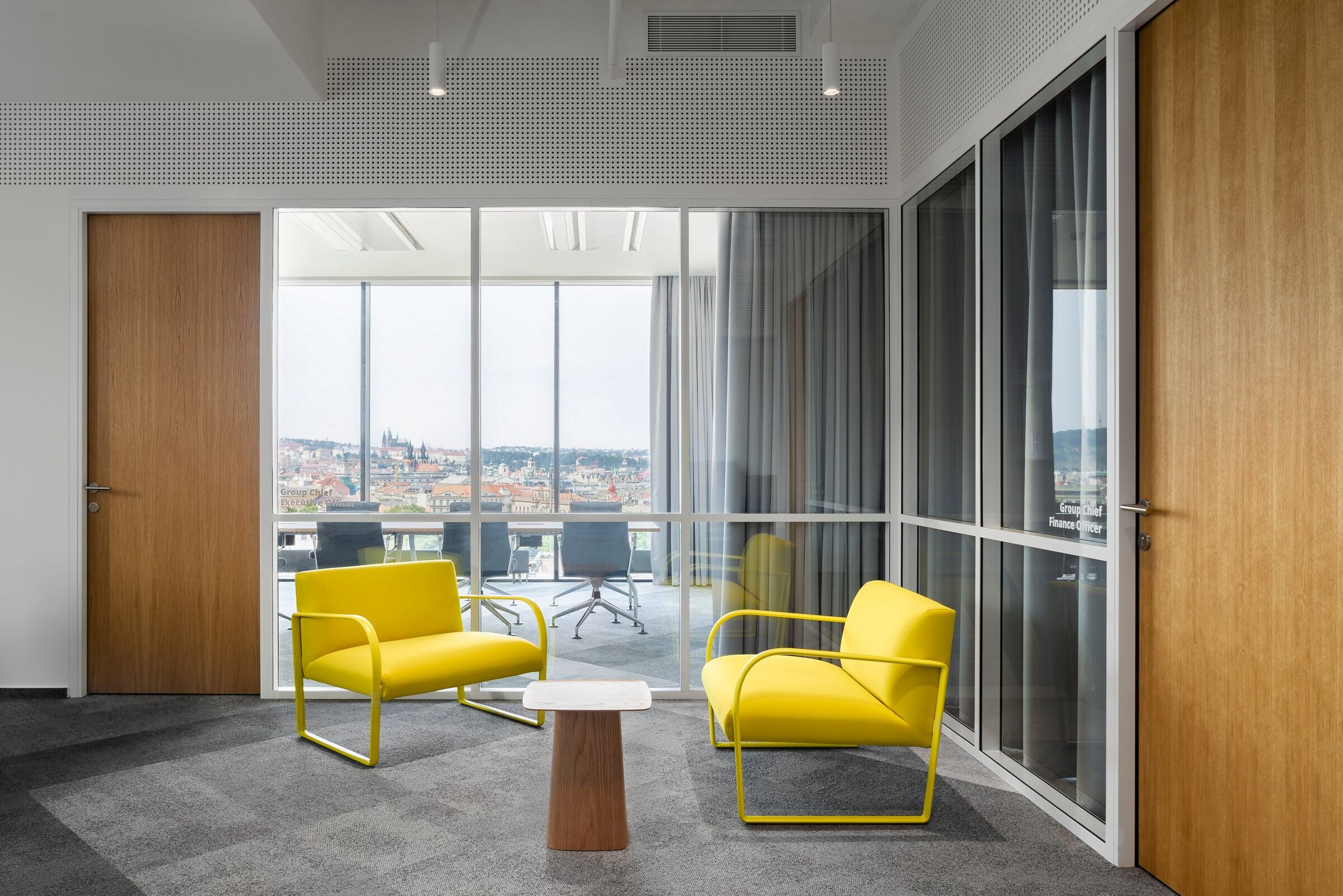
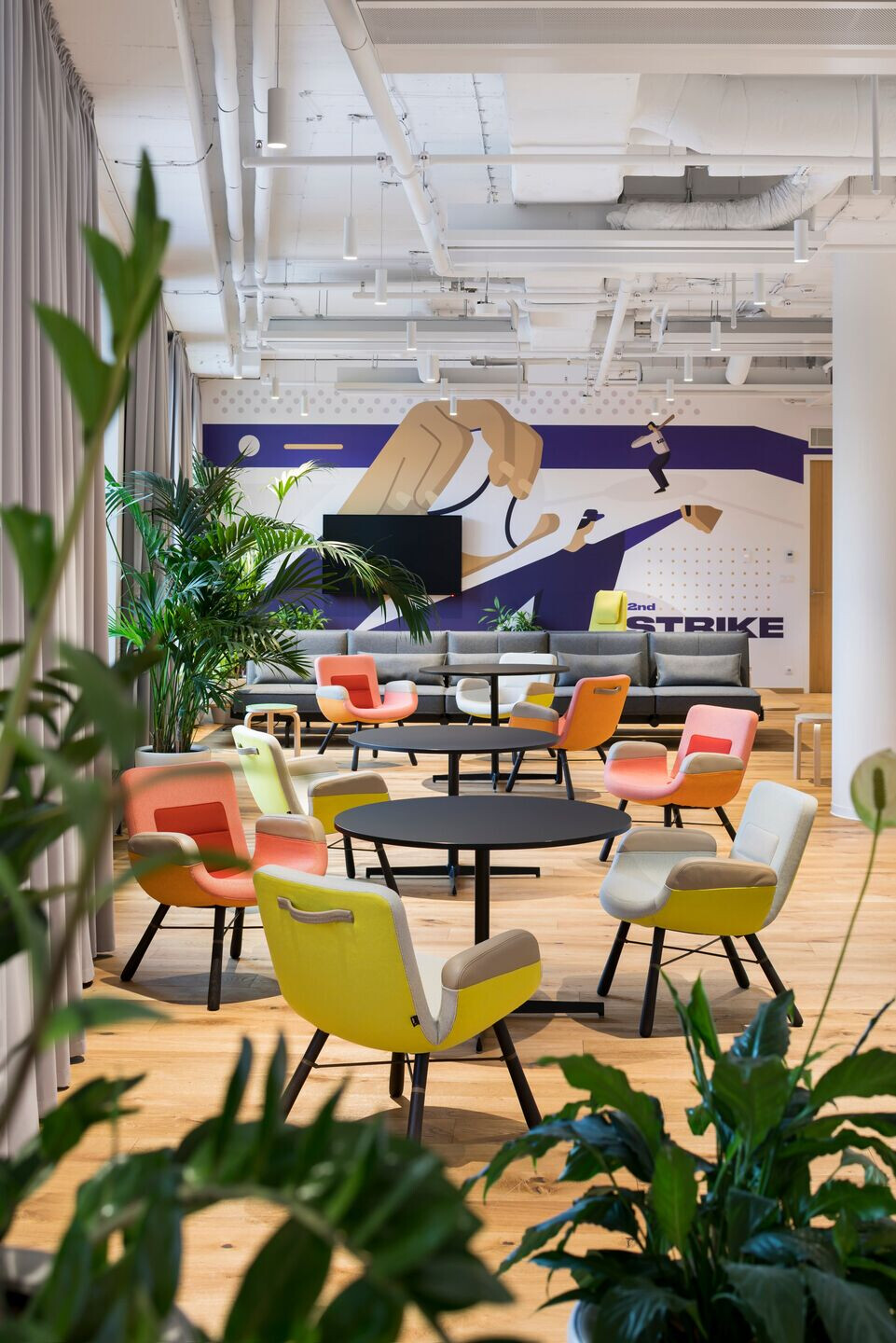
Our factory provided Fortuna Entertainment’s headquarters with a comprehensive, custom office furniture solution encompassing a large-scale tiered social atrium, a matrix-style high-efficiency workspace, curved acoustic meeting pods, and agile creative collaboration corners. Our key products included modular cluster workstations, custom-upholstered acoustic sofas, seamlessly molded multi-functional conference tables, and tiered multi-purpose seating units. By deeply integrating the dynamic elements of the gaming and entertainment industry with the rigorous logic of modern office design, we achieved a perfect balance between high brand recognition and an exceptional employee work experience within the multi-dimensional, space crafted by Studio Perspektiv.
The core challenge inherent in this project lay in the need to imbue the massive tiered space with multi-functional furniture capabilities, while simultaneously addressing the pressure for rapid workstation reconfiguration required to support high-frequency, cross-departmental collaboration. The client’s specific pain points centered on the headquarters’ spatial layout: the facility features a grand, multi-story tiered atrium that serves not only as a vertical circulation core but also as the central hub for office socialization. Consequently, the furniture situated across these irregular, stepped dimensions needed to accommodate a diverse range of functions—from temporary workstations and formal meetings to large-scale assemblies. Furthermore, as a rapidly expanding entertainment technology enterprise, the company’s departmental teams frequently undergo structural realignments on extremely short notice. Traditional fixed furniture—with its inefficient cable management and cumbersome assembly/disassembly processes—was wholly inadequate to meet their agile office requirements. Moreover, the vast open-plan environment was highly susceptible to visual clutter; the client therefore urgently required a furniture system capable of simultaneously anchoring the space’s visual focal points and dynamically “breathing” with the ebb and flow of organizational change.
To address these challenges, our factory implemented a “tiered modular alignment” technology and a “hot-swappable” power base system. To navigate the complex topography of the tiered atrium, we introduced a precision mapping and modular alignment process, crafting custom furniture modules for each tier—each featuring specific support angles—to ensure the seamless, three-dimensional nesting of desks, chairs, and storage units. In terms of flexibility, we developed magnetic cable management connectors equipped with a quick-release mechanism. When paired with embedded, mobile power modules located beneath the workstations, this system enables employees to reconfigure an entire office island cluster within minutes, without requiring the assistance of a professional electrician. To address acoustic performance and privacy requirements, we employed a heat-pressed, variable-density polyester fiber technique to fabricate curved acoustic pods. These units successfully passed real-world testing, achieving a Weighted Sound Reduction Index (Dw) of 30 decibels—thereby effectively mitigating communication interference within the open-plan hall.
The project results demonstrate that the custom-designed furniture successfully transformed into “kinetic components” within the space—dynamic elements that define the intensity of social interaction and the depth of focused work. Furthermore, the furniture’s vibrant color palette and minimalist silhouettes perfectly echo the client’s pioneering corporate ethos. As the client remarked: “Through an exceptional adaptation to complex architectural scales and innovative digital cable management solutions, the manufacturer delivered an office ecosystem capable of evolving in tandem with our company’s pulse. This initiative has not only vastly improved the physical efficiency of cross-departmental collaboration but has also transformed what was once a drab administrative zone into a highly engaging creative destination.”