The North Loop Galley
Project Address:Minneapolis, USA
Customer Type:Contractor
Project Type:Catering
Major Suppliers:Restaurant Furniture
Case description
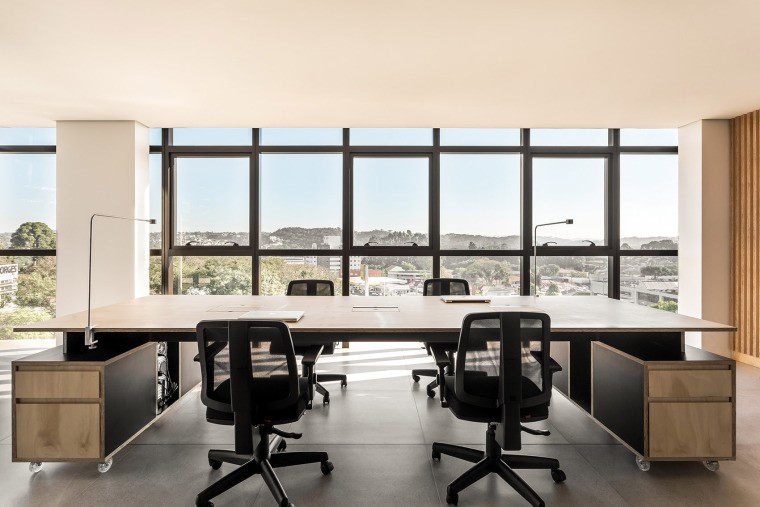
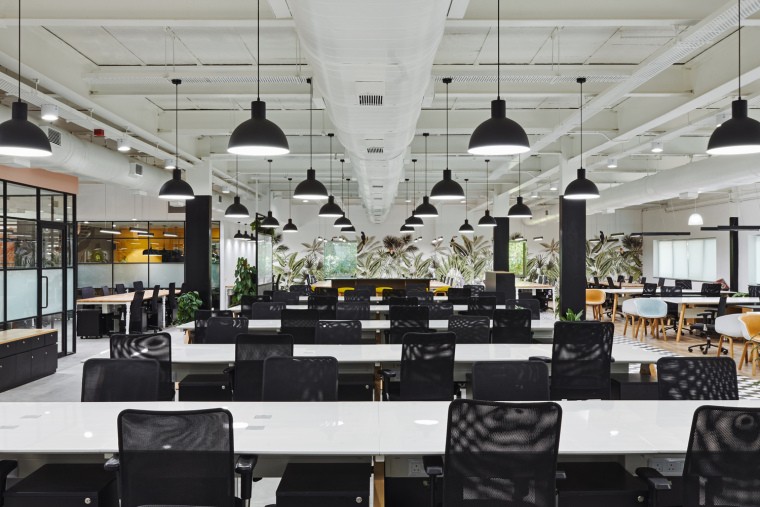
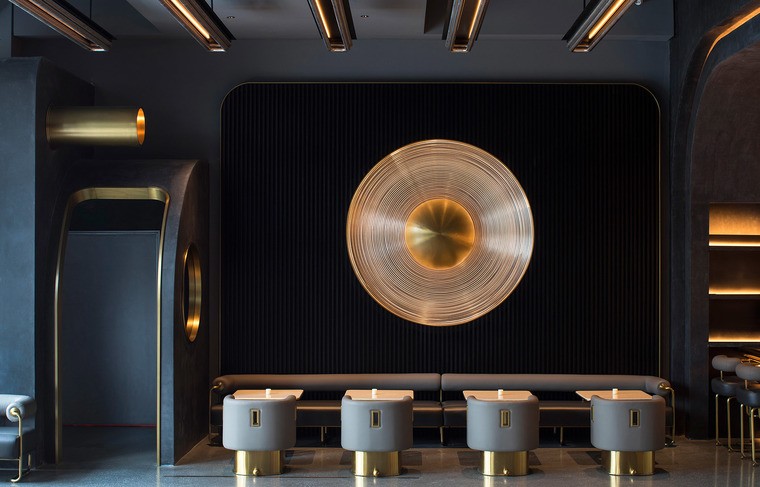
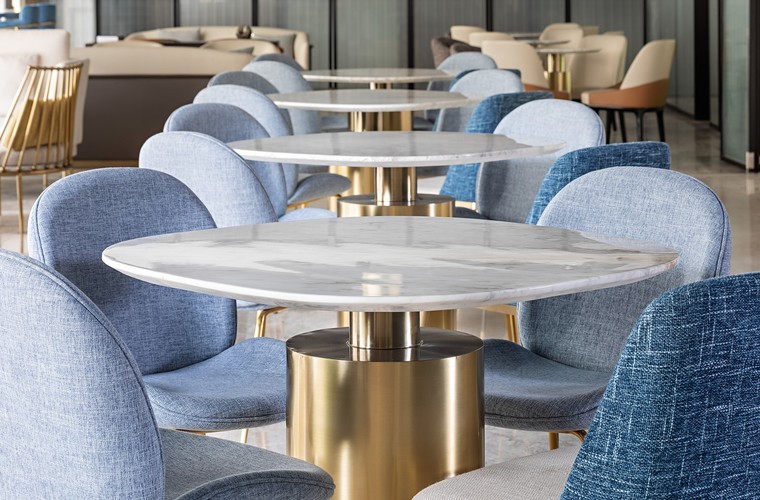
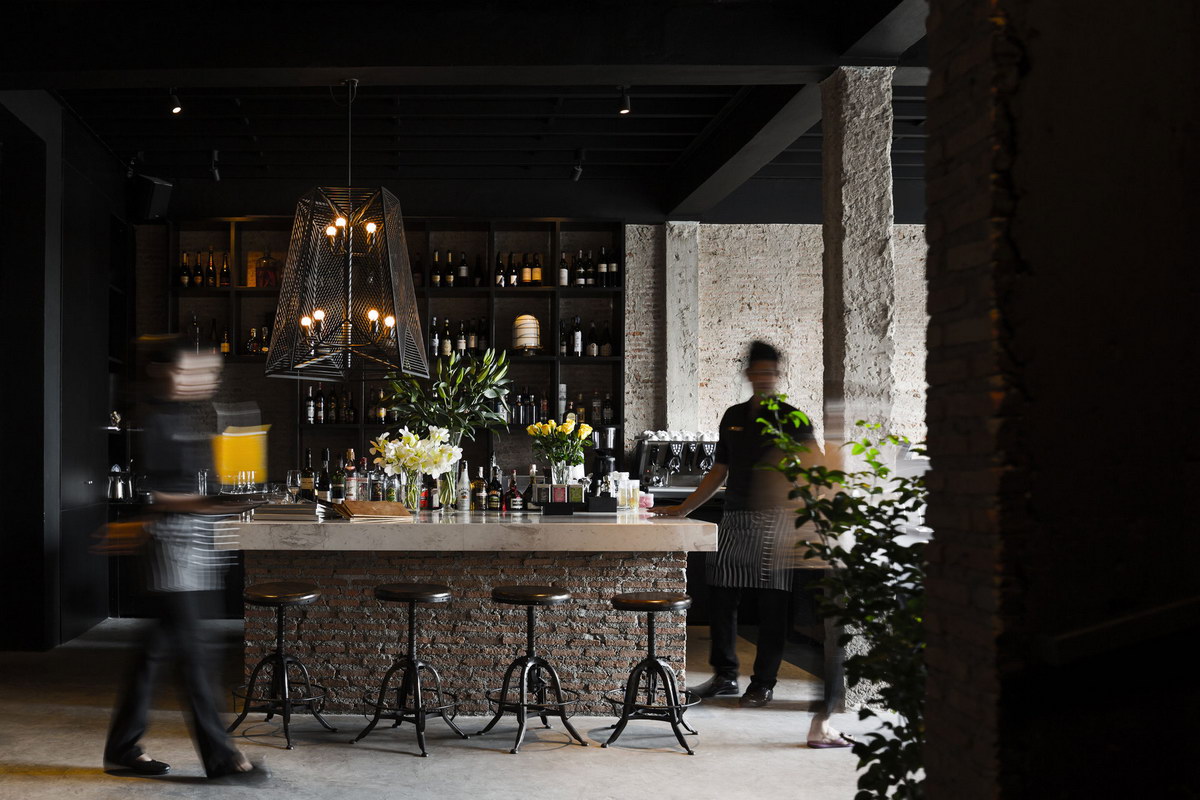
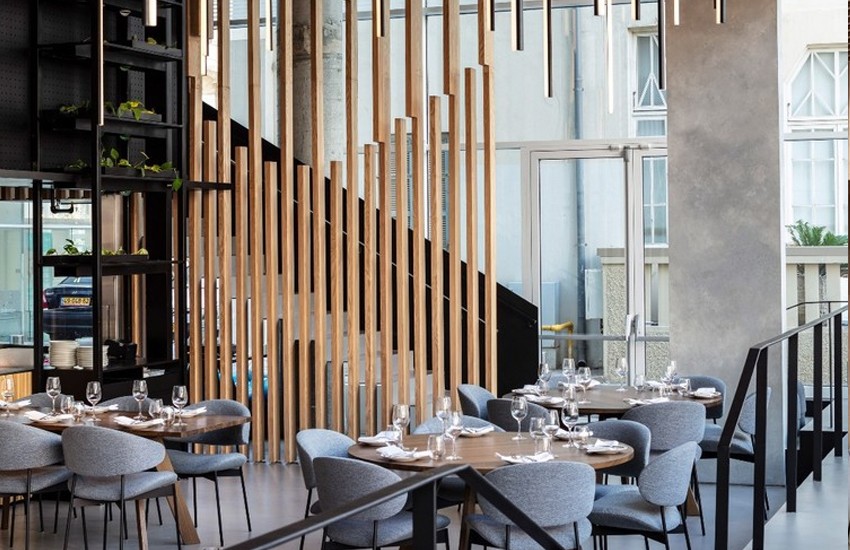
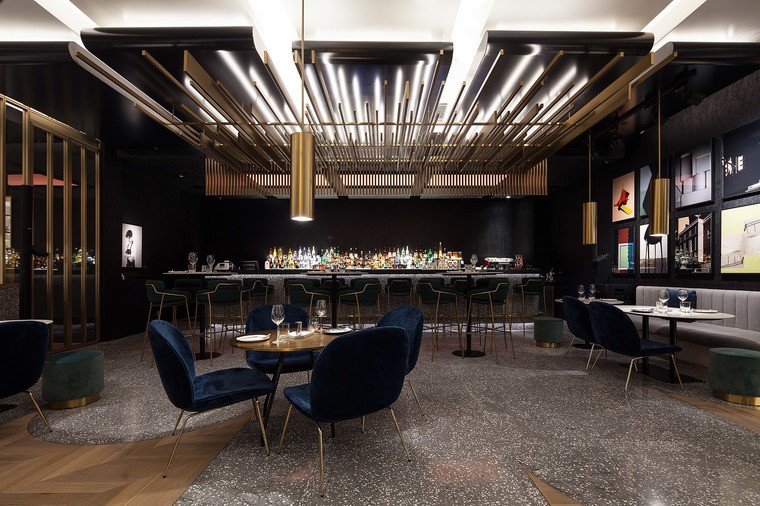
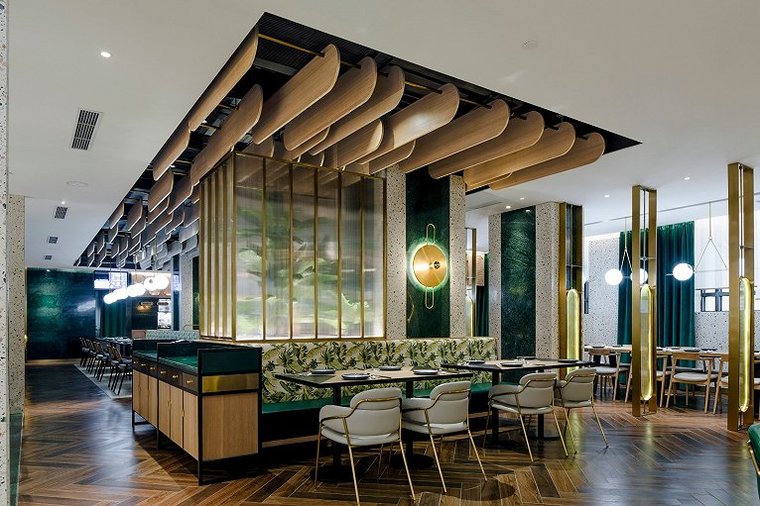
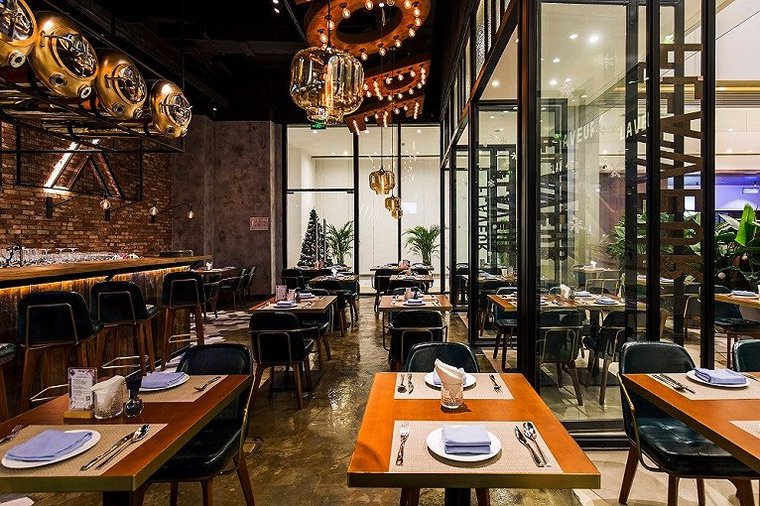
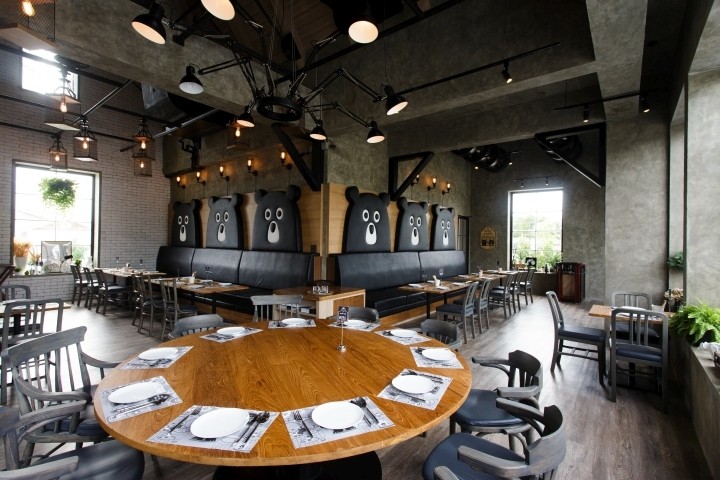
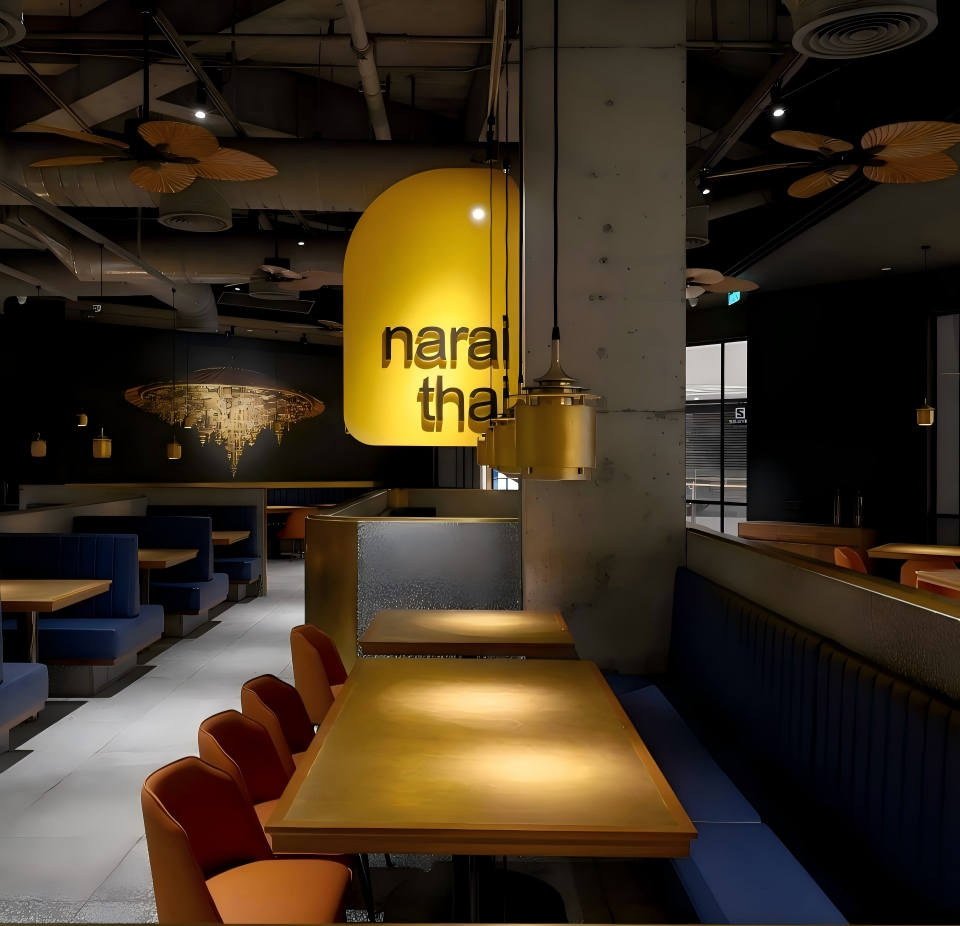
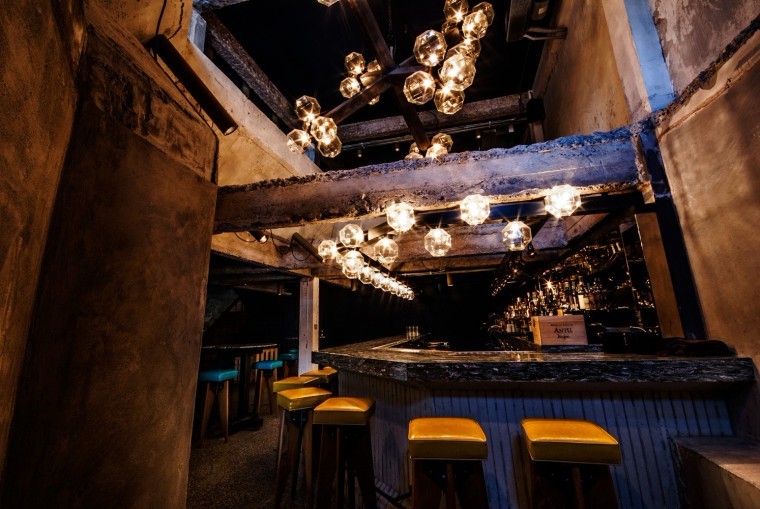
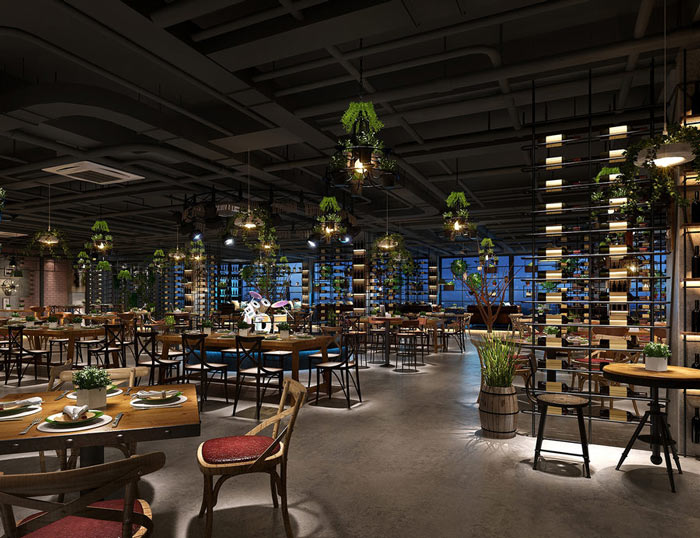
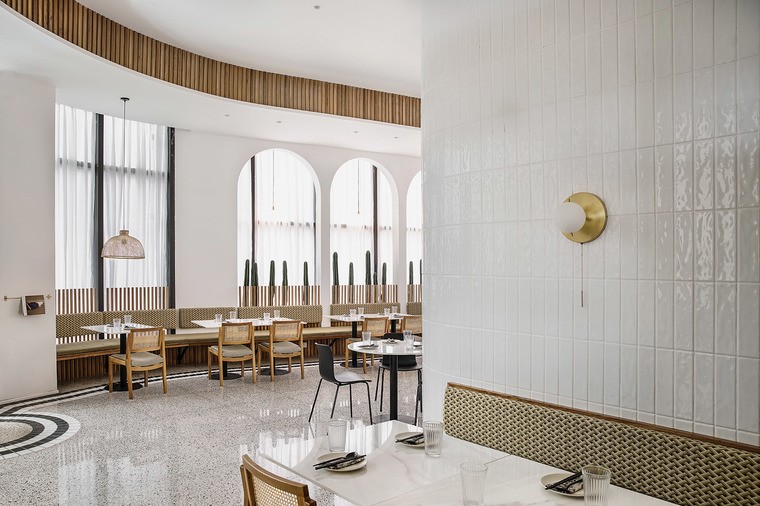
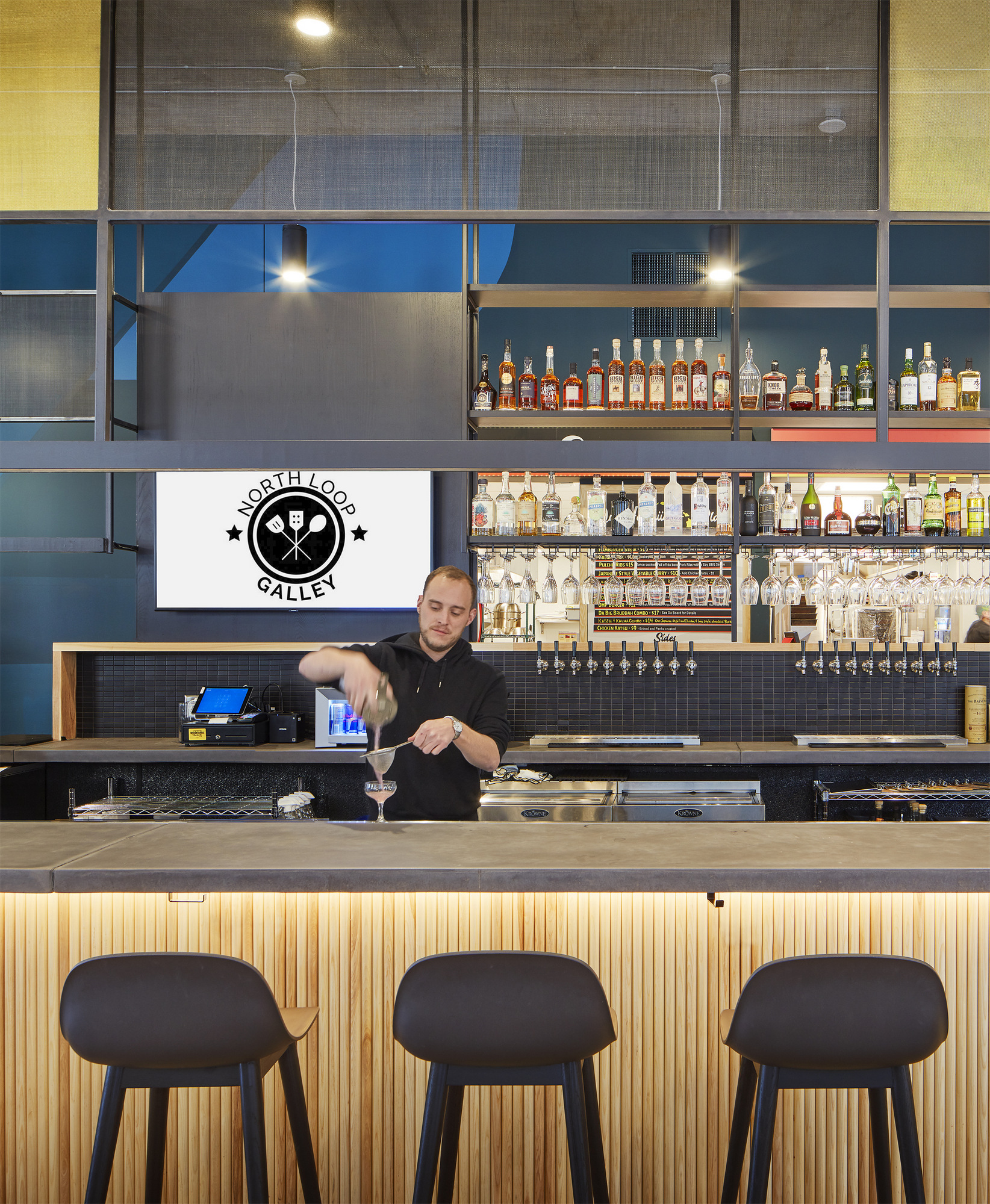
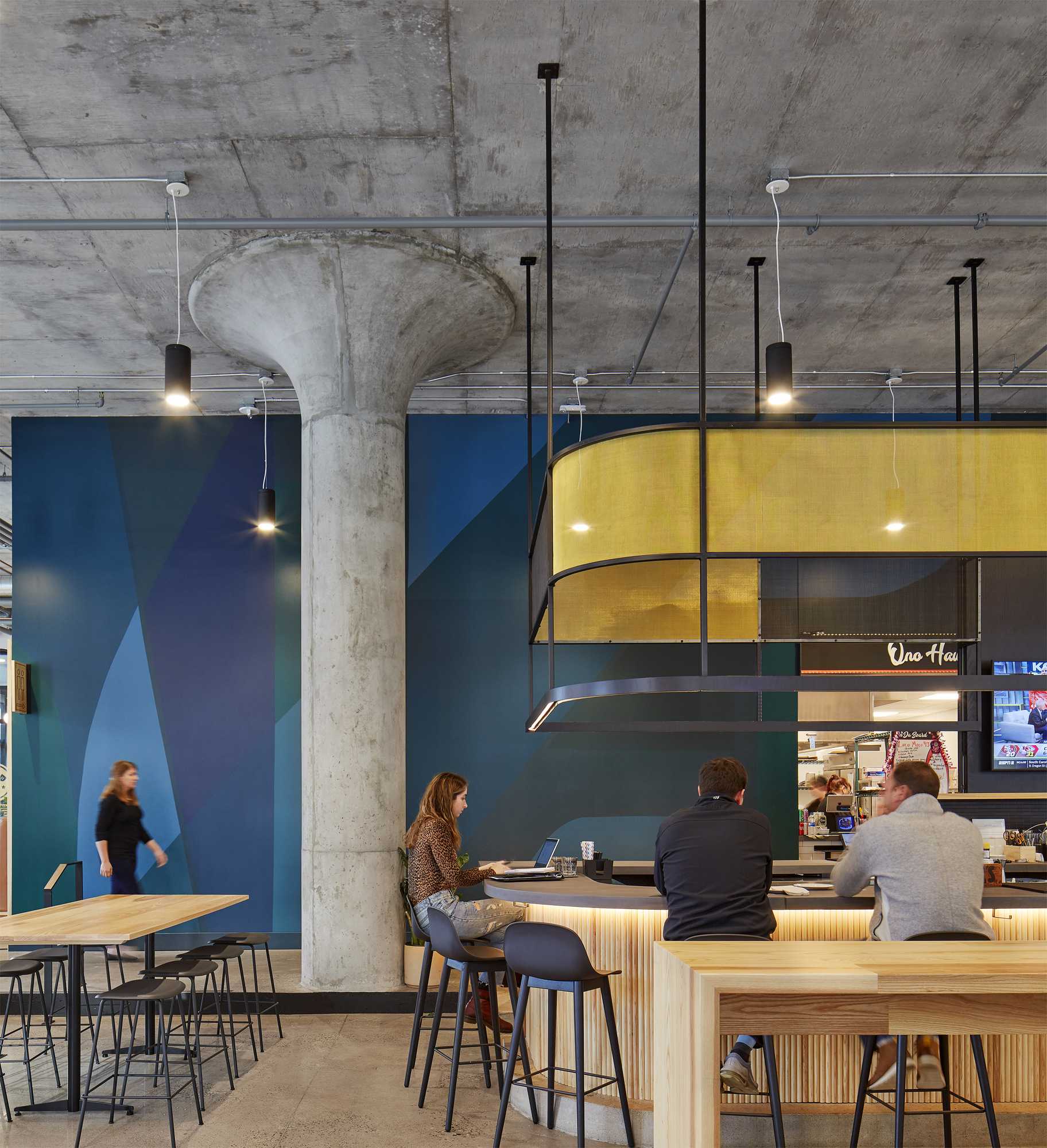
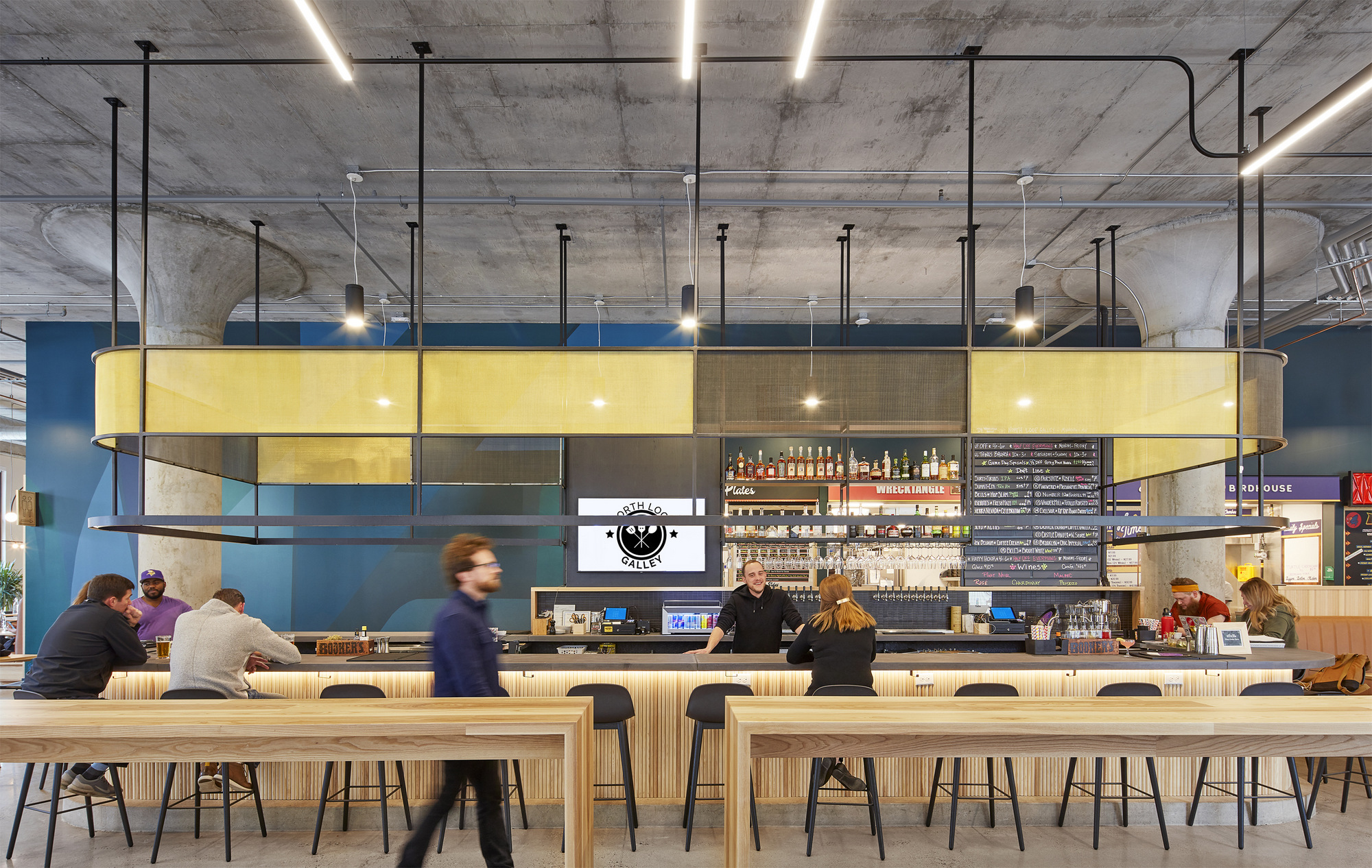
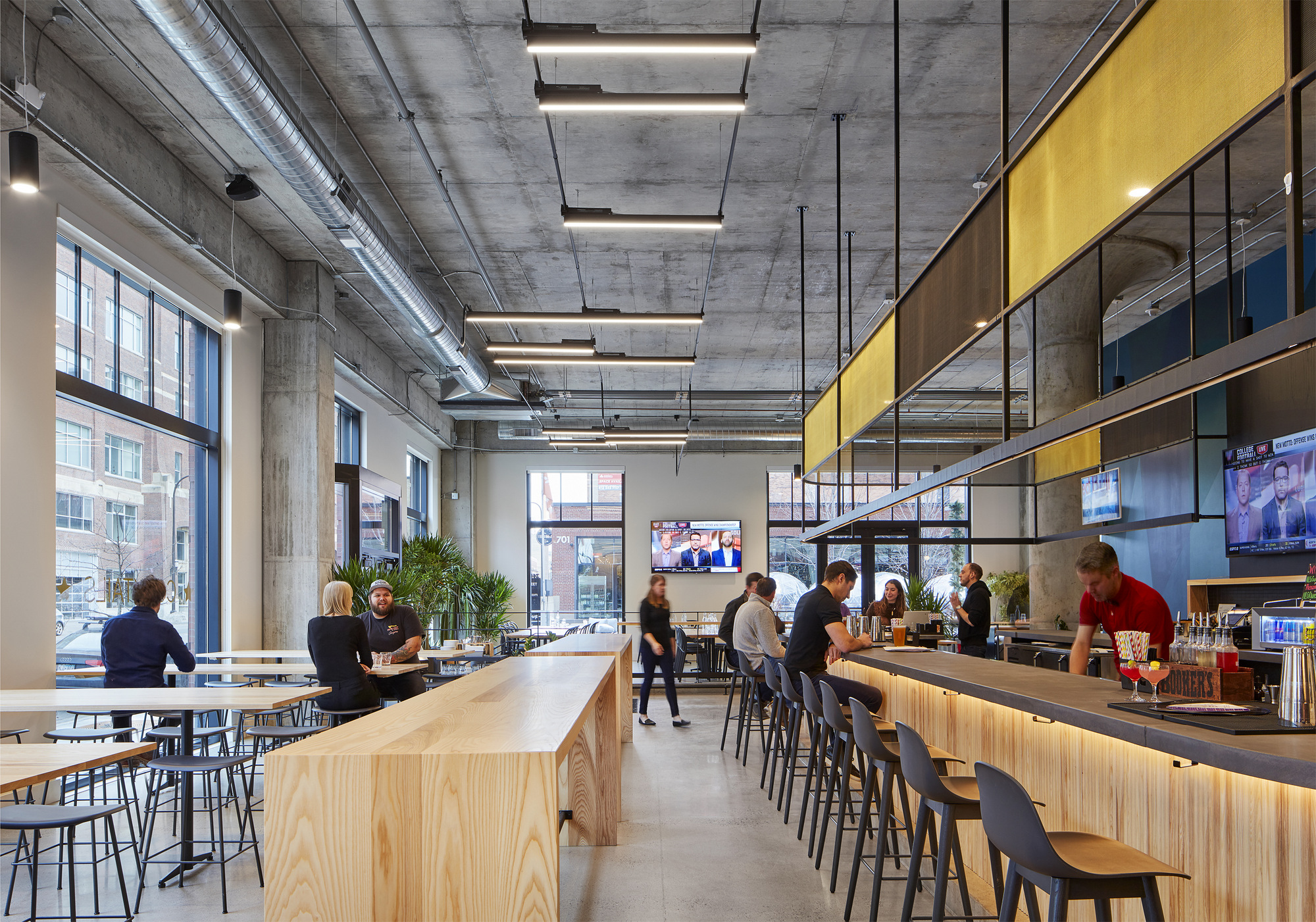
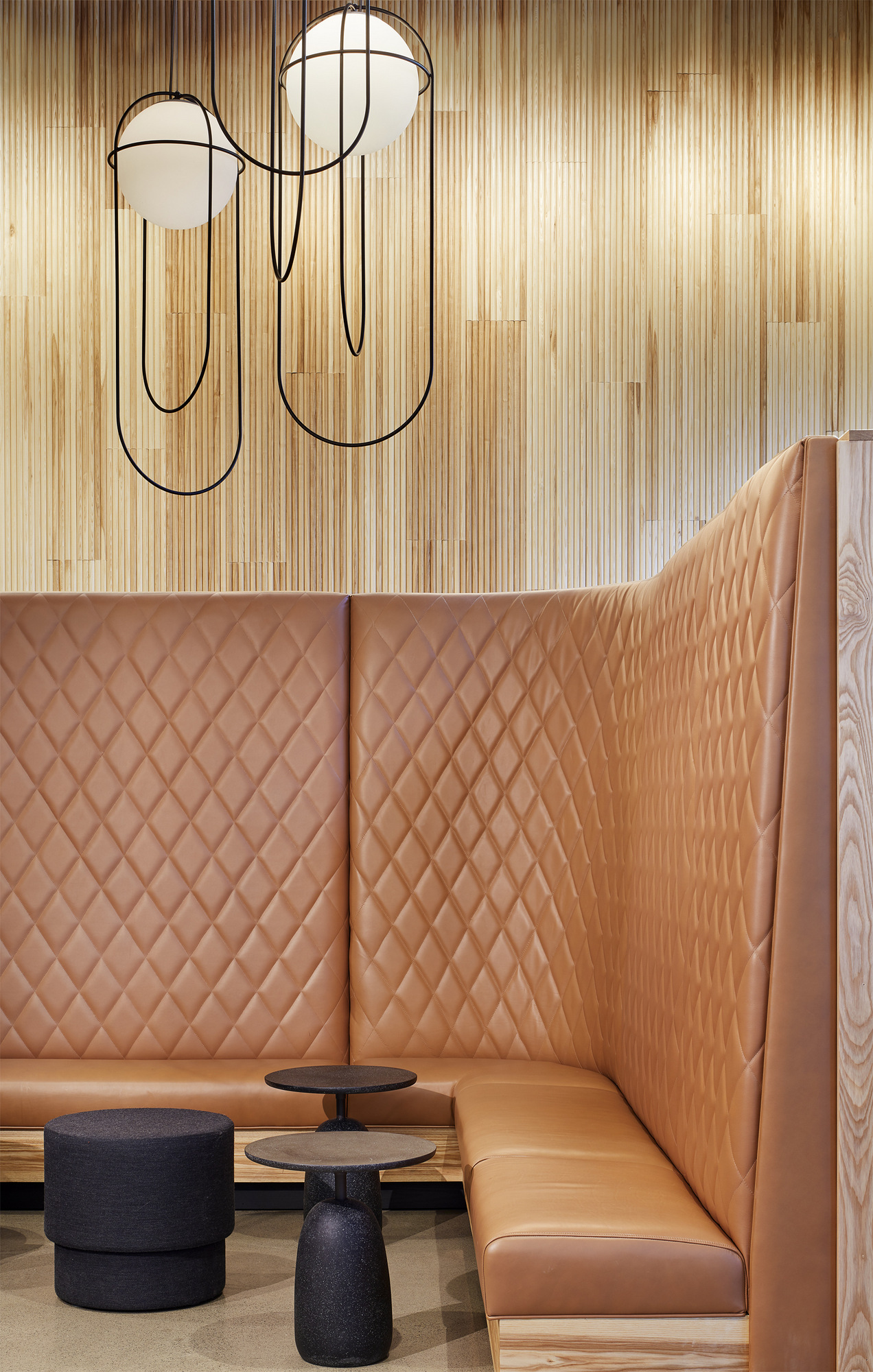
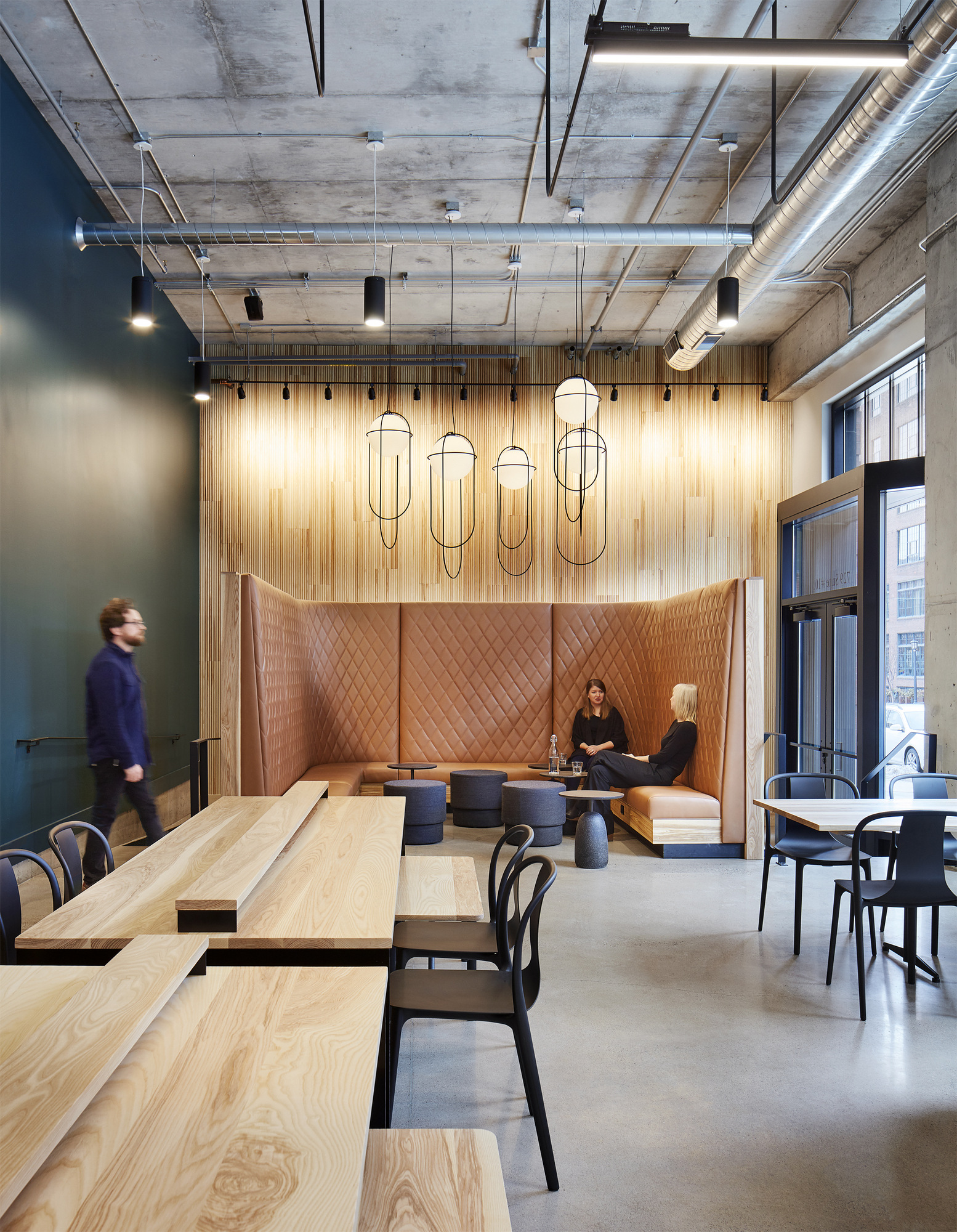
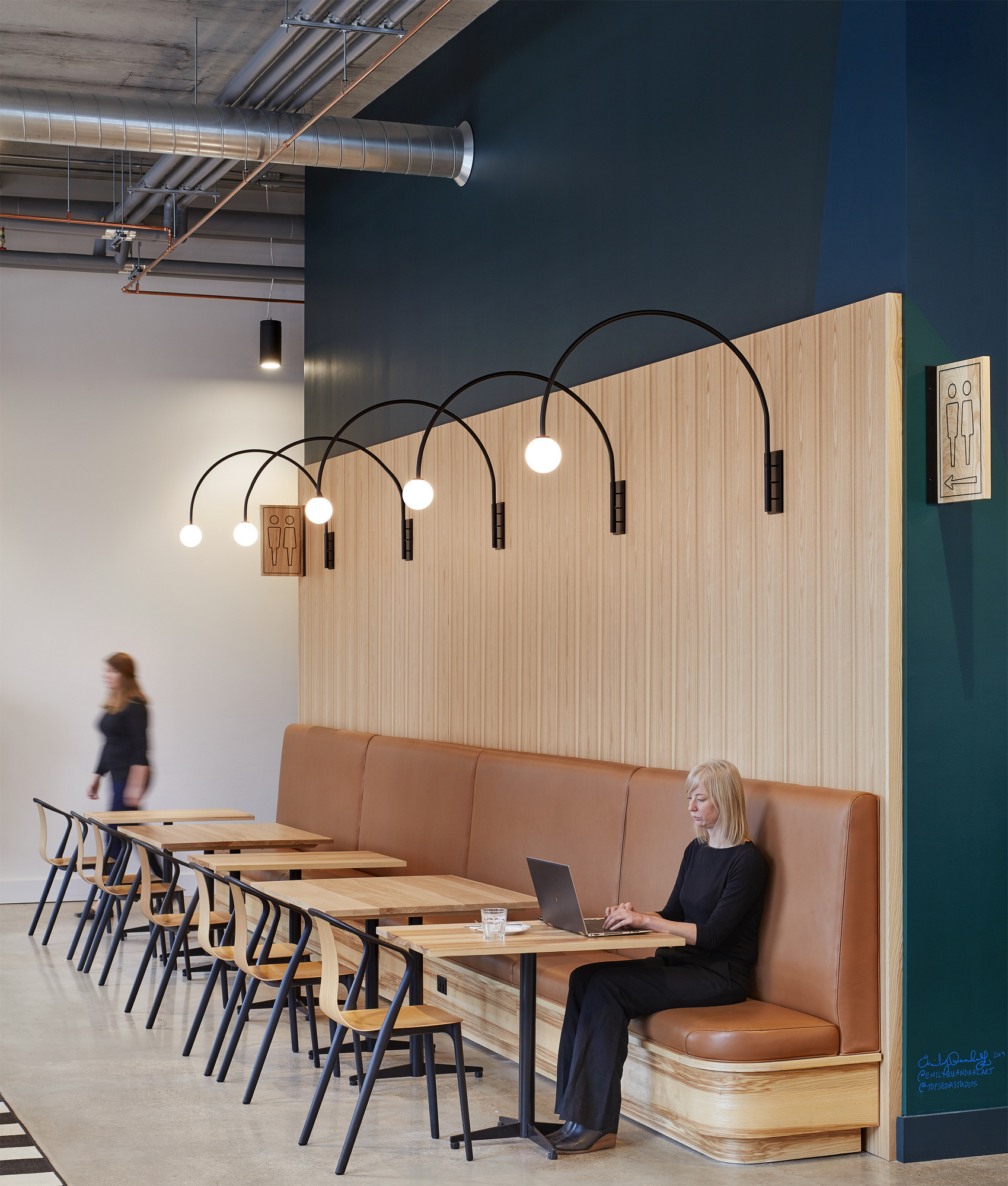
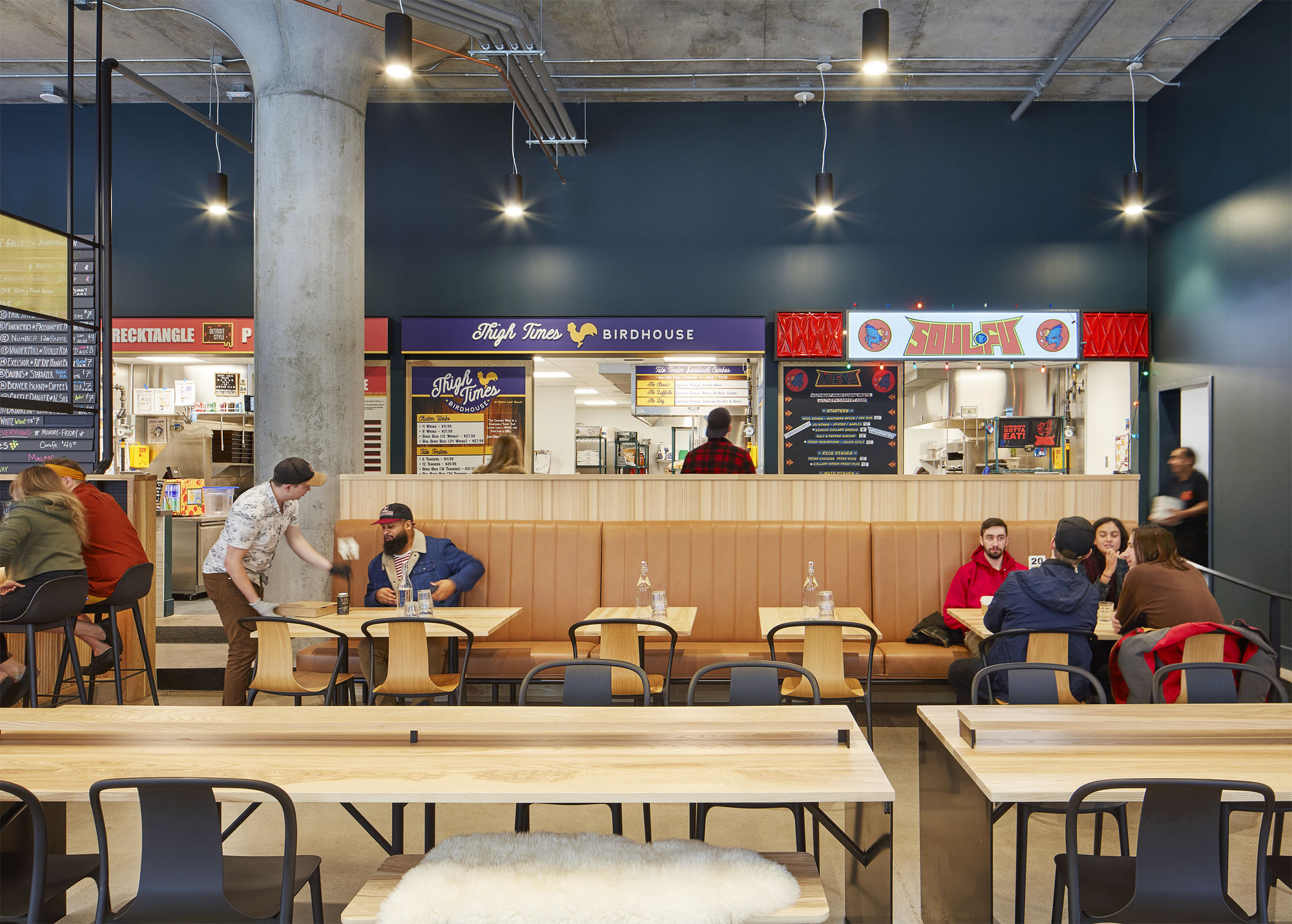
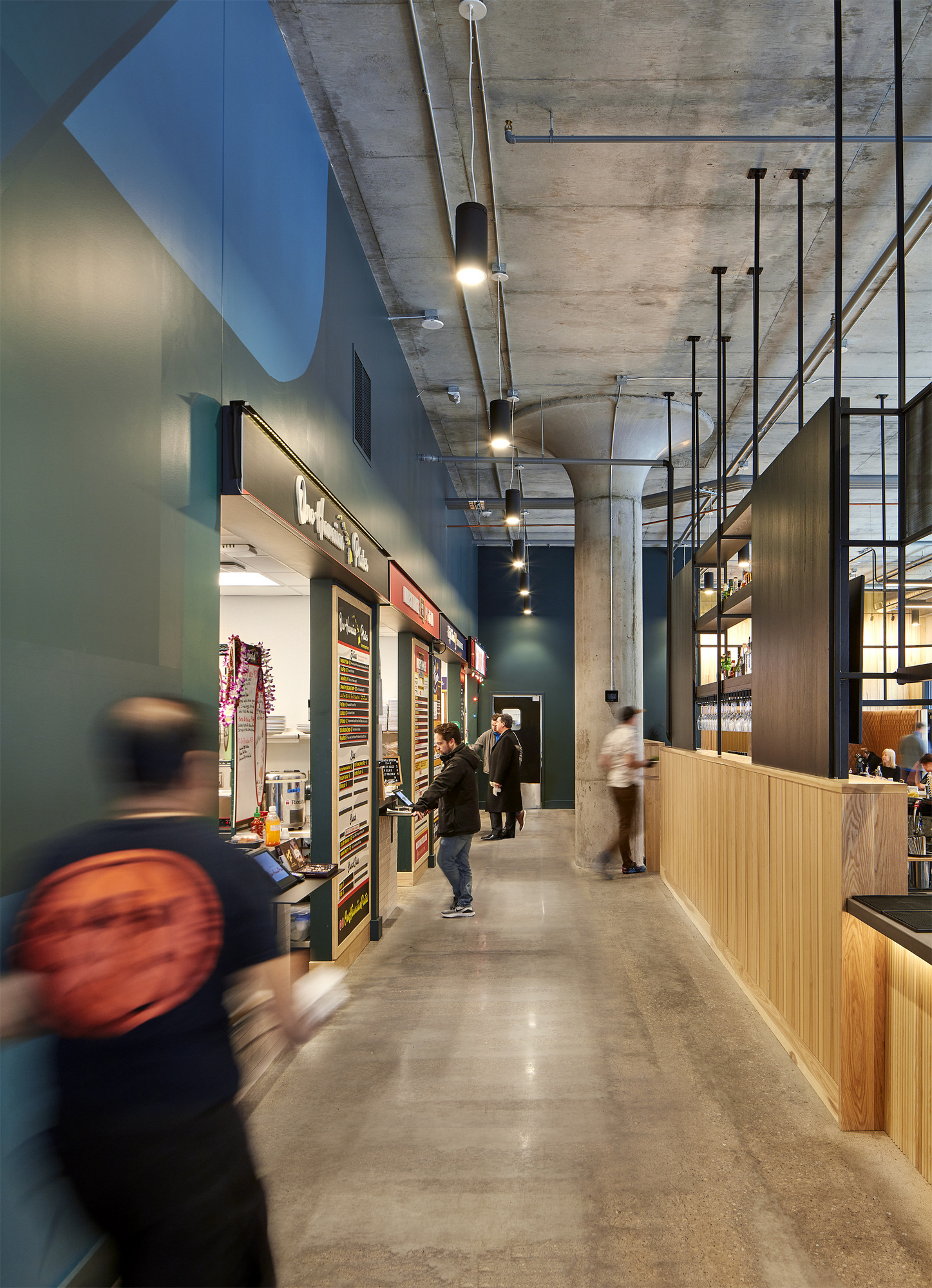
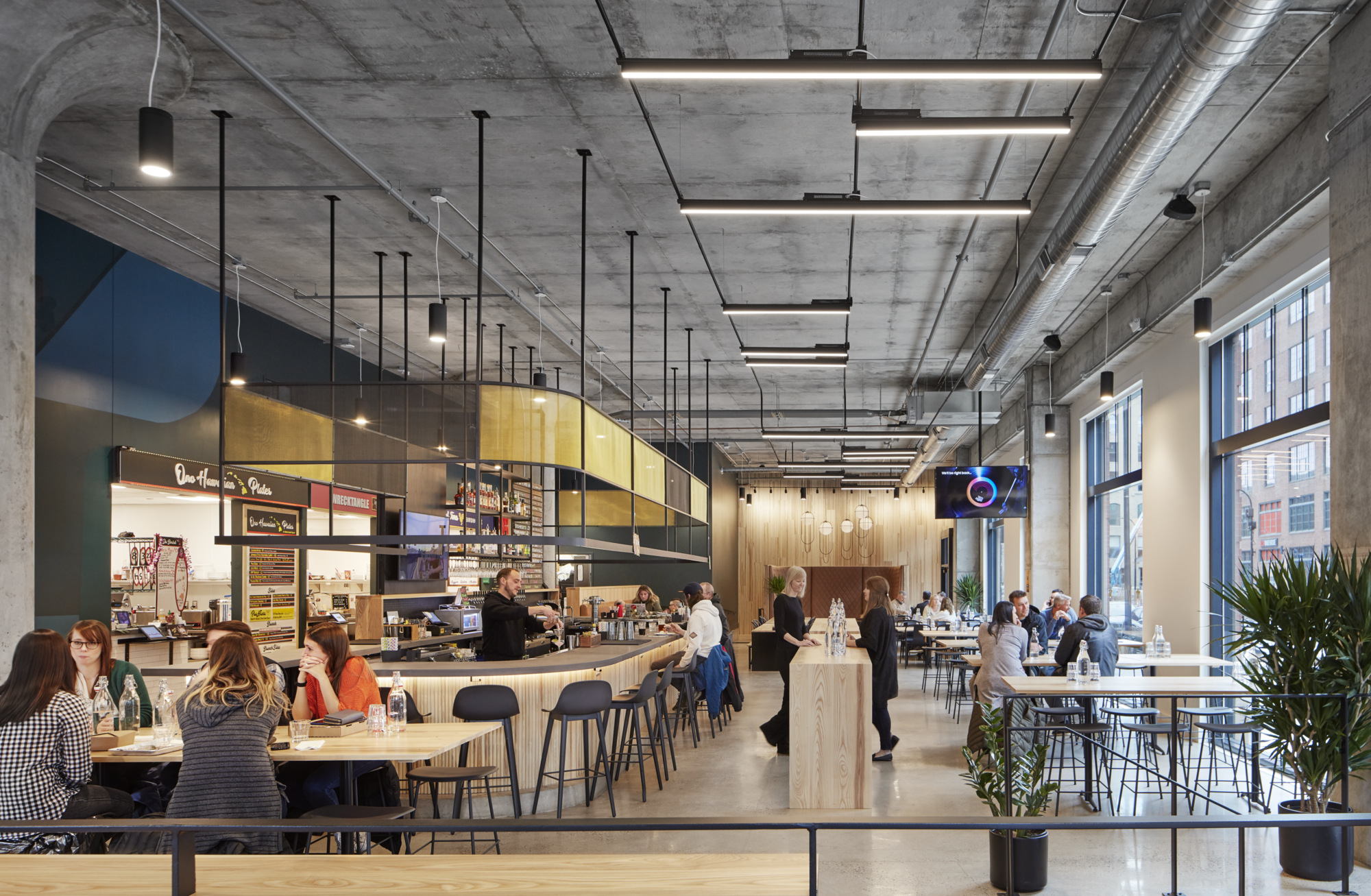
Our factory provided a comprehensive, custom furniture solution for The North Loop Galley, furnishing the expansive open food hall, the industrial-style high-top bar area, enclosed booth islands, and flexible co-working and dining zones. Our key products included heavy-duty steel-frame dining tables, wear-resistant leather-upholstered benches, custom perforated metal screens, and integrated modular seating systems. By deeply integrating the North Loop district’s original industrial warehouse heritage with the social scale of a modern community, we achieved a harmonious balance between diverse dining cultures and high-intensity public usage within the highly inclusive space designed by Studio BV.
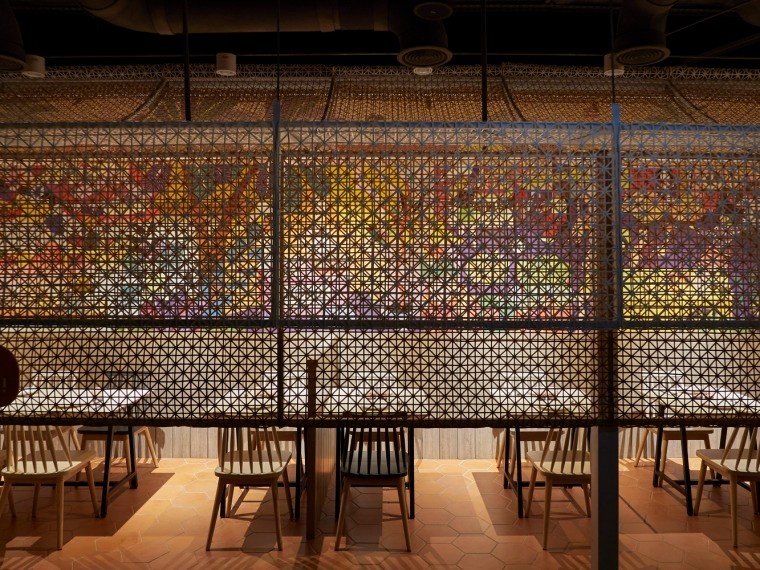
The core challenge inherent in this project lay in addressing the extreme wear and tear typical of a food hall model, while simultaneously reconciling the seemingly contradictory demands for both privacy and openness within a vast, open-plan space. The client’s primary pain points were as follows: as a shared venue hosting multiple dining brands, the furniture had to withstand usage frequencies and cleaning regimens far exceeding those of a standard restaurant, while remaining adaptable to a dynamic range of scenarios—from quick lunchtime meals to lively evening bar interactions. Furthermore, the cavernous, open-plan warehouse environment was prone to visual clutter and excessive noise; the critical challenge for the owner—in terms of maximizing floor efficiency and customer retention—was to utilize the furniture itself to delineate distinct brand territories and create secure, intimate “micro-territories” for diners, all without resorting to the construction of physical walls.
To address these challenges, our factory implemented a design strategy featuring heavy-duty industrial-grade structural frames combined with “social island” modular furniture units. To ensure uncompromising durability, we developed a dual-layer electrostatic powder coating technique paired with reinforced cold-rolled steel frames. All metal joinery components underwent rigorous structural fatigue testing—simulating a ten-year usage cycle—to guarantee that they would remain free of paint chipping or structural deformation, even under conditions of frequent movement and impact. Regarding spatial delineation, we designed a modular booth system featuring integrated vertical perforated panels; through this unified design of screens and seating, we visually filtered out the background clutter while simultaneously providing effective acoustic shielding. Regarding the desktop materials, we introduced a process combining High-Pressure Laminate (HPL) with solid wood edging. This approach preserves the warm, tactile quality of natural wood while endowing the surface with exceptional resistance to scratches and chemical corrosion—a durability validated through rigorous permeability tests involving various condiments left in contact for 24 hours.
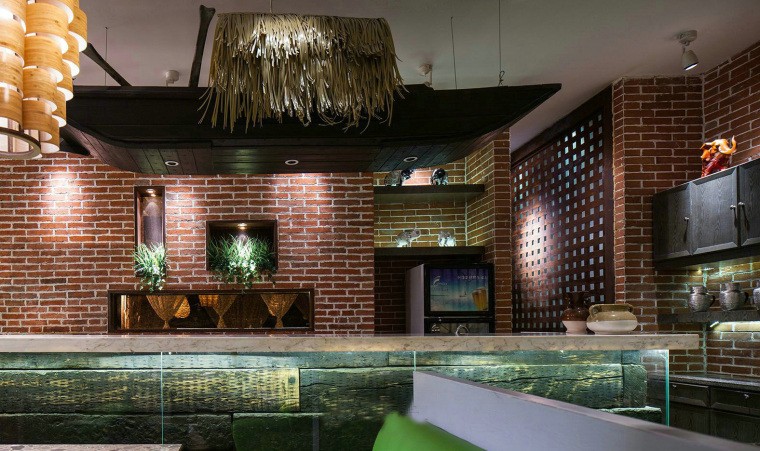
The project results demonstrate that the custom furniture successfully transformed into a form of “soft architecture” that defines distinct functional zones within the space; its bold, clean lines establish a harmonious visual dialogue with the interior’s exposed brick walls and industrial pendant lighting. As the client noted: “By deeply understanding the operational logic of a food court, the manufacturer delivered a furnishing system that strikes a perfect balance between industrial robustness and social warmth. Not only has it successfully withstood the demands of extremely high foot traffic, but its flexible modular design also provides immense adaptability for future operational adjustments within the space.”